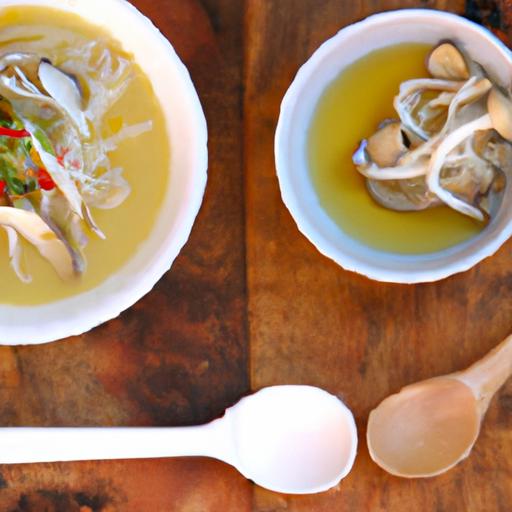

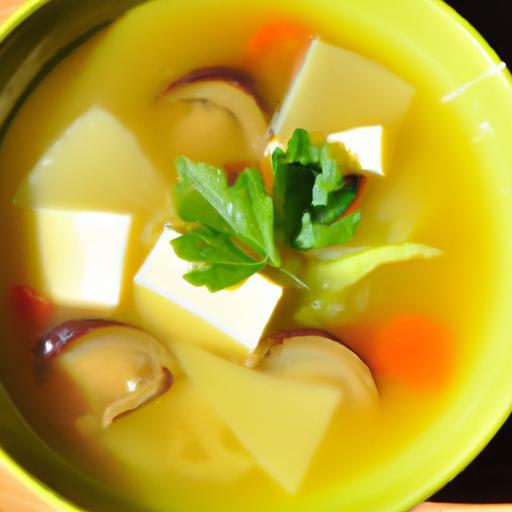
There’s something quietly magical about a warm bowl of miso soup-its savory aroma, delicate umami flavors, and comforting warmth weaving together into a simple yet profound experience. While traditionally paired with seafood or dashi broth, vegetarian miso soup has carved out its own wholesome niche, offering a nourishing delight that’s as vibrant as it is indeed soothing. In this article, we’ll explore how to craft a wholesome vegetarian miso soup that honors tradition while embracing plant-based goodness-a savory symphony that nurtures the body and comforts the soul. Whether you’re a seasoned vegetarian or simply seeking a heartwarming twist on a classic, this savory bowl promises to become a go-to staple in your culinary repertoire.
Understanding the Rich Tradition Behind Vegetarian Miso Soup
Wholesome vegetarian miso soup carries centuries of tradition from Japan’s culinary heritage,where simplicity and harmony with nature define every bowl. This comforting broth originated as a humble meal for farmers, leveraging seasonal, plant-based ingredients and umami-rich miso paste to nourish the body and soul. Unlike conventional miso soups that frequently enough include fish-based dashi, this vegetarian version embraces the vibrant flavors of kombu seaweed, mushrooms, and fresh vegetables, making it both deeply satisfying and perfectly aligned with plant-focused lifestyles.
The ritual of preparing miso soup is more than cooking; it’s a mindful experience meant to connect us with nature’s bounty. The delicate balance between salty, earthy, and sweet elements builds a flavor profile that comforts while revitalizing digestion. As cooking enthusiasts, recreating this stunning dish encourages us to celebrate simplicity-transforming a few wholesome, hand-selected ingredients into a savory, nourishing delight on any table.
Selecting the Perfect Ingredients for a Balanced and Flavorful Broth
Crafting a stellar broth begins with thoughtfully choosing every component. The backbone of vegetarian miso soup is a kombu-based dashi,which gently imparts oceanic depth without overpowering subtle vegetable notes. For umami punch, dried shiitake mushrooms or enoki add profound earthiness, while fresh farm-picked seasonal vegetables contribute texture, color, and nutritional vitality.
When preparing your ingredients,prioritize freshness and balance. Examples include silky soft silken tofu, crisp snap peas, baby spinach, or tender carrots. Ensure the miso paste you select is quality-assured-white (shiro) miso delivers mild sweetness; red (aka) miso offers richer intensity. Mixing the two can create a versatile harmony. For the broth to remain clear and light, dissolve the miso off-heat to preserve beneficial enzymes and vibrant flavor.
Step-by-Step Guide to Crafting Wholesome Miso Soup at Home
Follow this approachable method to build layers of nourishment and umami with ease. The process is tailored to maximize flavor and texture, even for novice cooks.
Prep and Cook Time
- Preparation: 15 minutes
- Cooking: 20 minutes
- Total: 35 minutes
Yield
- Serves 4 hearty bowls
Difficulty Level
- easy
Ingredients
- 6 cups water
- 1 piece kombu seaweed (about 4 x 4 inches)
- 4 dried shiitake mushrooms
- 3 tbsp white miso paste (shiro miso)
- 1 cup silken tofu, cubed
- 1/2 cup sliced carrots
- 1/2 cup snap peas, ends trimmed
- 1/2 cup baby spinach
- 2 scallions, finely sliced
- Optional: 1 tbsp dried wakame seaweed, rehydrated
- Freshly ground black pepper, to taste
Instructions
- Prepare the dashi broth: In a medium pot, combine water, kombu, and shiitake mushrooms. Soak for 30 minutes before gently heating over medium. just before boiling,remove kombu to avoid bitterness. Continue simmering mushrooms 10 more minutes to infuse umami.
- Remove mushrooms and slice thinly: Set aside sliced mushrooms for later addition.
- Add vegetables: Stir in carrots and simmer 5 minutes until tender but crisp.
- Wilt leafy greens: Add baby spinach and snap peas; cook 1-2 minutes until vibrant and tender-crisp.
- Dissolve miso paste: Ladle about 1 cup hot broth into a small bowl, then whisk in miso paste until smooth. Return mixture to the pot off-heat to preserve flavor and nutrients. Do not boil after adding miso.
- Incorporate tofu and mushrooms: Gently fold in silken tofu cubes and reserved mushroom slices. Warm through for 2 minutes.
- Finish and season: Sprinkle with scallions and crack fresh black pepper to taste.
- Serve promptly to enjoy the soup’s delicate aromatics and comforting warmth.
Tips for Enhancing Nutrition and texture with Seasonal Vegetables
Elevate your wholesome vegetarian miso soup by incorporating colorful, nutrient-dense seasonal produce. In spring, add thin slices of asparagus or peas for sweetness and crunch. Summer’s rich zucchinis or tender green beans blend beautifully. Autumn calls for earthy mushrooms and cubes of kabocha or butternut squash to add creaminess and natural sweetness.Winter options might include hearty kale or daikon radish to boost fiber and vitamin C.
Consider the texture interplay: silky tofu contrasts brilliantly with crunchy vegetables, while seaweed adds subtle chew. Blanch vegetables separately for precise doneness, especially when cooking in larger batches.For extra protein without compromising vegetarian integrity, add a sprinkle of toasted sesame seeds or a dollop of nut-based tahini in the bowl.
Chef’s Notes
- Use high-quality miso paste stored refrigerated to maintain freshness and probiotic benefits.
- Never boil the soup onc miso is added; heat gently to preserve its rich, nuanced flavor and health properties.
- For a gluten-free version, verify miso paste does not contain barley or wheat.
- Leftover broth can be cooled and refrigerated up to 3 days or frozen in portions for convenience.
- Feel free to experiment with different mushroom varieties like maitake or king oyster for varied umami intensity.
Serving Suggestions
Serve your soup steaming hot in wide, shallow bowls to showcase the vibrant colors of vegetables and tofu cubes. garnish with fresh cilantro, a thin drizzle of toasted sesame oil, or a sprinkle of furikake (Japanese seasoning) for an aromatic finish.
This soup pairs wonderfully with steamed jasmine rice or a side of crisp cucumber salad for a light meal. For added texture contrast, serve with crispy tempura vegetables or freshly baked whole-grain bread.

| Nutrient | Per Serving (Approx.) |
|---|---|
| Calories | 115 kcal |
| Protein | 8 g |
| Carbohydrates | 12 g |
| Fat | 3 g |
Discover more nourishing recipes in our vegan soups collection and deepen your understanding of authentic Japanese broths through Japan Guide’s detailed dashi overview.
Q&A
Q&A: Wholesome Vegetarian Miso Soup – A Savory, Nourishing Delight
Q1: What makes vegetarian miso soup a wholesome choice?
A1: Vegetarian miso soup is a harmony of nutritious ingredients-miso paste, tofu, seaweed, and fresh vegetables-that together nourish the body and soothe the soul. It’s plant-based, low in calories, rich in probiotics, and brimming with umami, making it both delicious and healthful.
Q2: How does miso paste contribute to the soup’s flavor and health benefits?
A2: Miso paste, made from fermented soybeans, brings a deep, savory umami flavor that transforms simple broth into something magical. It’s also packed with probiotics, which support gut health and digestion, making the soup truly a nourishing delight.
Q3: Can you customize vegetarian miso soup for different tastes and diets?
A3: Absolutely! While classic versions lean on tofu, wakame seaweed, and scallions, you can add mushrooms for earthiness, carrots for sweetness, or spinach for a vibrant pop of color and nutrition. Gluten-free miso varieties also make it accessible for various dietary needs.
Q4: what’s the best way to prepare vegetarian miso soup without losing its delicate flavors?
A4: The secret lies in gentle temperature control. Miso should be dissolved into warm, not boiling, broth to preserve its probiotics and nuanced flavor. Adding tofu and vegetables before bringing the soup to a simmer ensures everything is tender yet fresh-tasting.
Q5: How does vegetarian miso soup fit into a balanced meal or lifestyle?
A5: Light yet satisfying, miso soup works beautifully as an appetizer, side dish, or even a light main course. Its balance of protein,vitamins,and probiotics supports digestion and wellbeing,making it an ideal dish for mindful eaters seeking comfort without heaviness.
Q6: Are there any cultural traditions behind vegetarian miso soup?
A6: miso soup is a cornerstone of japanese cuisine and daily life, traditionally enjoyed at breakfast or any meal. Vegetarian versions respect these roots while embracing modern preferences for plant-based eating, allowing anyone to savor its ancient, savory comfort.
Q7: What tips would you give to someone making miso soup for the first time?
A7: Start simple-use good-quality miso paste and kombu (seaweed) to craft the dashi broth. Keep the heat low when mixing in miso and add fresh ingredients thoughtfully. And most importantly, savor each spoonful; miso soup is as much about warmth and mindfulness as it is about flavor.
Final Thoughts
As the comforting steam of a warm bowl of vegetarian miso soup rises, it’s clear that this humble dish offers far more than just nourishment for the body-it’s a festivity of tradition, health, and simple ingredients coming together in perfect harmony. Whether you’re seeking a flavorful starter, a cozy meal on a chilly day, or a wholesome boost to your daily routine, miso soup stands as a testament to how vegetarian cuisine can be both savory and deeply satisfying. Embracing this delightful broth not only enriches your palate but also invites a moment of mindful enjoyment, reminding us that sometimes, the most wholesome delights come in the simplest forms.