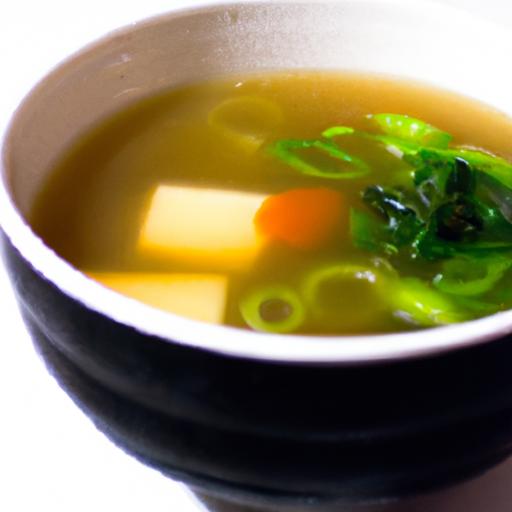

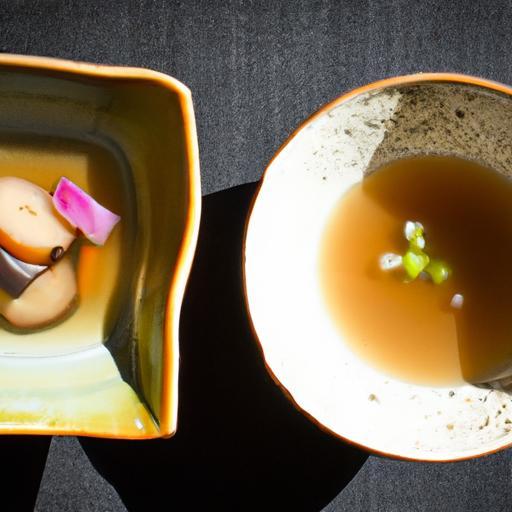
There’s something deeply comforting about a warm bowl of miso soup-the soothing umami, the delicate balance of flavors, and the nourishing simplicity all come together to create a timeless classic. But what if your journey to this savory delight is entirely plant-based? Crafting the perfect vegan miso soup might sound like a culinary puzzle, yet with the right ingredients and a touch of know-how, it becomes an effortless ritual that delights the senses and honors tradition without compromise. In this guide, we’ll unravel the secrets to an easy, flavorful vegan miso soup recipe, proving that wholesome and meat-free can be just as heartwarming and satisfying as the original. Ready to stir your way to vegan miso mastery? Let’s dive in.
Crafting the perfect vegan miso soup begins with an unwavering commitment to quality ingredients and a delicate balance between flavors that celebrate tradition and nourish the soul. This humble broth, rooted in Japanese culinary heritage, transforms into an exceptional experience when each component is selected with care and combined with mindful technique. From the umami-rich miso paste to nutrient-packed vegan additions, every step elevates your creation beyond a simple meal into an artful nourishment ritual.
Prep and Cook Time
- Readiness: 10 minutes
- Cooking: 15 minutes
- Total time: 25 minutes
Yield
- 4 generous servings
difficulty Level
- Easy
Ingredients
- 6 cups filtered water
- 1 piece (about 4 inches) dried kombu (kelp)
- 1 cup dried shiitake mushrooms
- 1 cup cubed firm tofu, drained
- 3 tablespoons white or yellow vegan miso paste
- 1 cup chopped baby spinach or kale
- ½ cup sliced green onions (scallions)
- 1 medium carrot, julienned
- 1 teaspoon toasted sesame oil
- 1 tablespoon tamari or soy sauce (optional for extra depth)
Instructions
- Prepare the broth: In a large pot, soak the dried kombu and shiitake mushrooms in the filtered water for at least 30 minutes, or up to 2 hours if time allows, to extract deep umami flavors.
- Simmer gently: Slowly heat the pot to just under a boil. Remove the kombu just before the water starts boiling to avoid bitterness. Let the mushrooms continue simmering softly for 10 more minutes.
- Strain and reserve: Carefully remove the mushrooms and slice them thinly if desired. Strain the broth to remove any particles for a clear finish.
- Add tofu and vegetables: Introduce the cubed tofu, chopped greens, julienned carrot, and green onions into the broth.Simmer for 5 minutes until the vegetables are tender but vibrant.
- Balance with miso: In a small bowl, ladle a cup of hot broth and whisk in the miso paste until smooth. Stir this mixture back into the pot over low heat-do not boil after adding miso, as it can kill beneficial probiotics and dull its flavour.
- Finish with seasoning: Add toasted sesame oil and tamari if using. Taste and adjust seasoning delicately; miso is potent, so a gentle balance prevents overpowering the broth’s subtle layers.
- Serve immediately: Ladle the soup into bowls. Garnish with finely chopped green onions or toasted sesame seeds for added texture and visual appeal.
Tips for Success
- Choose your miso wisely: White or yellow miso paste yields a milder, sweeter soup, while red miso brings robust, hearty notes. For beginners, start light to master flavor balance.
- Broth clarity matters: Slow soaking and gentle simmering unlock kombu and shiitake’s umami without cloudiness or bitterness, creating a clean and vibrant base.
- nutrient-boosting add-ons: Experiment with nutrient-dense vegan ingredients such as wakame seaweed, enoki mushrooms, or silken tofu to enhance nutritional value and textural contrast.
- Temperature control: Never boil miso paste to preserve its live cultures and the soup’s delicate aroma; stir in off-heat or very low heat only.
- Make-ahead tip: Prepare the broth in advance, refrigerate, and add miso just before serving to retain freshness and vibrant flavor.
Serving Suggestions
Serve this comforting vegan miso soup in rustic ceramic bowls for an authentic touch. Pair with steamed jasmine rice or fresh edamame for a light meal.Garnish with a sprinkle of toasted sesame seeds, a few thin slices of fresh chili for warmth, or a drizzle of chili oil to awaken the palate. Complement the flavors with a side of pickled ginger or vegan sushi rolls for a full Japanese-inspired dinner experience.

| Nutrient | Per Serving |
|---|---|
| Calories | 110 kcal |
| Protein | 7 g |
| Carbohydrates | 8 g |
| Fat | 4 g |
| Fiber | 2 g |
For further reading on enhancing vegan umami, check out our guide to Vegan Umami Flavors. Learn more about the health benefits of miso from the National Institutes of Health.
Q&A
Q&A: Crafting the Perfect Vegan Miso Soup – Easy Recipe Guide
Q1: what makes miso soup a great choice for a vegan meal?
A1: Miso soup is naturally plant-based and brimming with umami goodness. Made from fermented soybeans, miso paste provides a deep, savory flavor without any animal products. When paired with seaweed, tofu, and fresh veggies, it creates a warm, nourishing dish that’s both comforting and wholesome.
Q2: Which type of miso paste is best for a vegan miso soup?
A2: For a vibrant and balanced vegan miso soup, white (shiro) or yellow (shinshu) miso are excellent picks. White miso is mild and slightly sweet, while yellow miso has a bit more punch without overpowering the soup.Avoid darker red miso if you want a gentler flavor, and always check labels to ensure no fish or animal additives sneak in.
Q3: how do you prepare the perfect broth without conventional dashi stock?
A3: Crafting a vegan broth that sings with flavor starts with kombu (edible kelp) and dried shiitake mushrooms. Simmering these in water releases savory notes that mimic classic dashi. Add a splash of soy sauce or tamari for depth,and you have a rich,umami-packed base that’s 100% vegan and irresistibly delicious.
Q4: What are some ideal ingredients to add to vegan miso soup?
A4: Think beyond tofu! Silken or firm tofu cubes,wakame seaweed,scallions,and thinly sliced mushrooms make fantastic staples. Seasonal veggies like baby spinach, daikon radish, or enoki mushrooms elevate the soup’s texture and nutrition.Feel free to experiment with grated ginger or a hint of garlic for an extra kick.
Q5: Any tips for mixing in miso paste without losing its delicate probiotics?
A5: Absolutely! Miso paste is packed with probiotic goodness,but heat can kill the beneficial bacteria. To preserve these, dissolve the miso paste in a small ladle of hot (not boiling) broth, then gently stir the mixture back into the soup off the heat. This technique ensures your miso soup remains healthful and flavorful.
Q6: Can vegan miso soup be made ahead and reheated?
A6: You can prepare vegan miso soup in advance, but it’s best to keep the miso paste separate until just before serving. Reheating soup with miso already mixed in can diminish flavor and probiotics. Store the broth and mix-ins refrigerated, then blend in the miso paste upon warming for a fresh, vibrant bowl every time.
Q7: what’s the easiest way to personalize this recipe?
A7: Customization is the joy of miso soup! swap in your favorite veggies,add a sprinkle of toasted sesame seeds or a dash of chili flakes,or toss in cooked noodles for a heartier meal. Since the base is simple and adaptable, every bowl can be a new adventure in flavor and comfort.
Q8: Why is miso soup considered a superfood?
A8: Beyond its comforting taste, miso is a fermented powerhouse packed with probiotics that support digestive health. It’s rich in vitamins, minerals, and antioxidants. This ancient Japanese staple not only nourishes the body but also delights the palate-making it a true superfood hero in vegan cuisine.
Future Outlook
As the gentle umami of your homemade vegan miso soup lingers on the palate, you’ll discover that crafting this comforting classic is both an art and a joyful ritual. with just a few simple, plant-based ingredients and a splash of patience, you’ve unlocked a world where tradition meets wholesome innovation. Weather enjoyed as a soothing start to your day or a nurturing evening embrace,this easy recipe is your gateway to savoring miso magic without compromise. So go ahead-stir up your own pot of pure, nourishing delight and let every spoonful tell a story of mindful cooking and delicious simplicity.