
Veal scaloppine-succulent, tender slices of veal bathed in a delicate sauce-have long captivated the palates of culinary enthusiasts worldwide. This timeless Italian classic, with its perfect balance of simplicity and sophistication, holds secrets that elevate it far beyond an ordinary meal. In this article, we peel back the curtain on veal scaloppine’s cherished traditions, exploring the techniques and ingredients that transform humble veal into a dish that’s both comforting and elegant. Whether you’re a seasoned cook or a curious foodie, prepare to uncover the culinary artistry behind this iconic recipe and bring a taste of Italy into your kitchen like never before.
Veal scaloppine secrets unlock the true essence of this delicate Italian classic-a dish that’s both elegant and approachable,showcasing veal’s natural tenderness enhanced by precise slicing and artisanal techniques. Originating from Northern Italy, this recipe calls for a specific veal cut that achieves a sublime melt-in-your-mouth texture, balanced by a rich, vibrant sauce that sings with flavor.
Prep and Cook Time
- Preparation: 20 minutes
- Cooking: 15 minutes
- Total Time: 35 minutes
Yield
Serves 4 elegantly plated portions
Difficulty Level
Medium – Ideal for home chefs who enjoy mastering technique without complexity
Ingredients
- 1 lb (450g) veal top round or veal leg, thinly sliced into 1/4-inch (0.6 cm) cutlets
- 1 cup all-purpose flour, sifted for dredging
- 3 tbsp unsalted butter
- 2 tbsp extra-virgin olive oil
- 1/2 cup dry white wine (Pinot Grigio recommended for its crisp profile)
- 1/2 cup chicken broth, low sodium
- 2 tbsp fresh lemon juice
- 2 tbsp capers, rinsed and drained
- Fresh parsley, finely chopped for garnish
- Sea salt and freshly ground black pepper, to taste
Instructions
- Choosing and prepping the veal: Start by selecting thin slices of veal top round or leg-these cuts offer the ideal balance of tenderness and flavor. Lay each cutlet between two sheets of parchment paper or plastic wrap.
- Master thin slicing: Using a sharp chef’s knife or a meat slicer, slice the veal into approximately 1/4-inch thickness. If slices vary in thickness, gently pound with a meat mallet until uniform, working from the center outward to avoid tearing the flesh.
- Tenderizing technique: Lightly season each piece with salt and pepper, then dredge in the sifted flour, shaking off excess. This flour coating will create the foundation for that signature golden crust.
- Preparing the pan: Heat a large skillet over medium-high heat and add 1 tbsp butter and 2 tbsp olive oil. Once shimmering, add veal cutlets in a single layer-do not crowd the pan to ensure a perfect sear.
- Achieving the golden sear: Sauté veal for about 2 minutes per side, or until beautifully golden and just cooked through. Remove cutlets and tent with foil to keep warm.
- Crafting the signature sauce: Reduce heat to medium and pour in white wine, scraping the browned bits from the pan’s surface with a wooden spoon. Simmer until the wine reduces by half, then add chicken broth, lemon juice, and capers.
- Finishing the sauce: Continue simmering the sauce until it thickens slightly, about 3-4 minutes. Swirl in the remaining 2 tbsp of butter to enrich the sauce, yielding a glossy and silky finish.
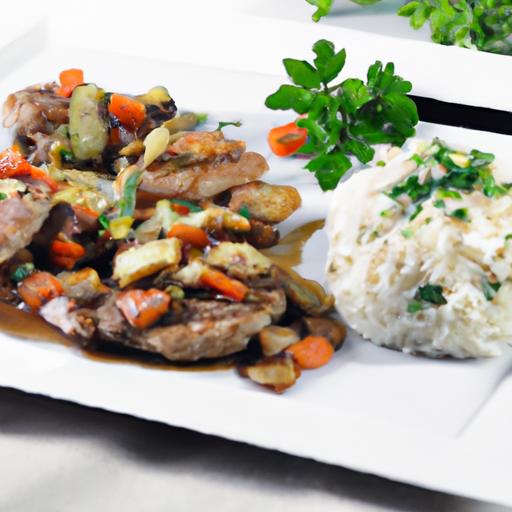
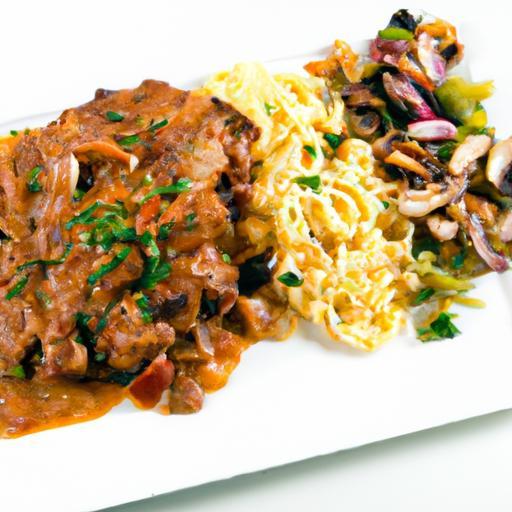
- Plating and presentation: Nestle the veal scaloppine on warm plates, spoon the luscious sauce over each cutlet, and finish with a flourish of fresh parsley for a vibrant, herbaceous note.
Chef’s Notes for Veal Scaloppine Secrets
- Veal cut alternatives: If unavailable, veal loin can substitute but requires even thinner slicing to maintain tenderness.
- Marinating: A brief 30-minute soak in lemon juice and garlic can add an extra layer of depth but avoid overly acidic marinades that can break down the meat.
- Flour dredging tip: Use rice flour for a gluten-free version, which crisps beautifully without altering flavor.
- Make-ahead advice: Slice and dredge veal up to 4 hours before cooking; refrigerate covered.
- Troubleshooting: If your veal turns out tough, the likely cause is overcooking or uneven slicing-remember to pound gently and sear quickly for best results.
Serving Suggestions
Serve alongside a delicate bed of Parmesan risotto or roasted seasonal vegetables to complement the scaloppine’s tender texture and vibrant sauce. Garnish plates with lemon wedges and a sprinkle of chopped parsley to enliven both flavor and presentation. For wines, a crisp Pinot Grigio or dry Sauvignon Blanc pairs exquisitely, highlighting the citrus and caper notes.
| Nutrient | Per Serving |
|---|---|
| Calories | 320 kcal |
| Protein | 38 g |
| Carbohydrates | 12 g |
| Fat | 10 g |

Explore more about veal cooking techniques at Serious Eats – Veal Scaloppine Guide.
Q&A
Q&A: Veal Scaloppine Secrets - A Classic Recipe Unveiled
Q1: What exactly is veal scaloppine?
A1: Veal scaloppine is a customary Italian dish featuring thinly sliced veal, quickly sautéed to tender perfection. The name “scaloppine” refers to the technique of pounding the meat thin, allowing it to cook swiftly and soak up flavorful sauces like lemon, piccata, or marsala.
Q2: Why is the thickness of the veal slices so vital?
A2: The magic of veal scaloppine lies in its delicate texture. Thin slices ensure the meat remains tender and cooks evenly in just a few minutes. If the slices are too thick, the veal can become tough and lose its signature melt-in-the-mouth quality.
Q3: What’s the secret to achieving the perfect sauce?
A3: The sauce is where veal scaloppine truly shines. A simple reduction of white wine, lemon juice, capers, or mushrooms-depending on the variation-creates a bright, flavorful finish.The secret is deglazing the pan right after cooking the veal to capture those caramelized bits, which infuse the sauce with deep umami.
Q4: Can you substitute veal with another meat?
A4: Absolutely! While veal is prized for its tenderness and mild flavor, chicken or turkey scaloppine can be excellent alternatives. Just be mindful they may require slight adjustments in cooking time and sauce pairing to maintain moisture and flavor.
Q5: How do you prevent veal scaloppine from drying out?
A5: Quick cooking at high heat is key. Use a hot pan with a bit of butter and olive oil, and avoid overcrowding. Also, let the veal rest briefly after cooking to seal in juices.Overcooking is the enemy of veal scaloppine’s delicate charm.
Q6: What traditional side dishes complement veal scaloppine?
A6: Classic sides include buttery mashed potatoes, sautéed spinach, or a crisp arugula salad. the goal is to balance the rich, tangy sauce with fresh, simple flavors that highlight the veal’s subtlety.
Q7: Is veal scaloppine suitable for special occasions or everyday meals?
A7: Veal scaloppine strikes a perfect balance-elegant enough for a dinner party yet fast and straightforward enough for a weekday treat. Its timeless appeal and simple ingredients have made it a beloved staple in Italian households around the world.
Q8: Any tips for making the dish authentically Italian at home?
A8: Use fresh, high-quality veal and real lemon juice, capers, or marsala wine-avoid shortcuts with bottled sauces.Pound the meat evenly, prep your sauce ingredients beforehand, and savor each step. Authenticity is about respect for ingredients and technique.
Unlock the secrets of veal scaloppine and bring a slice of Italy’s culinary heritage to your table-tender, tangy, and timeless. Buon appetito!
Wrapping Up
As the final notes of this veal scaloppine symphony settle, you’re now equipped with the secrets that transform humble slices of veal into a dish that sings with flavor and finesse. From the artful pounding to the perfect balance of sauce and seasoning, each step unveils a tradition steeped in Italian culinary heritage. whether you’re recreating a family favorite or embarking on your first scaloppine adventure,remember: the true magic lies not just in the ingredients,but in the care and passion you bring to the pan. So, tie your apron tight, embrace the sizzle, and let this classic recipe inspire countless flavorful moments at your table. Buon appetito!