
In the vast tapestry of nature’s wonders, some creations stand out not for their delicate intricacy, but for their sheer, awe-inspiring scale. Among these colossal marvels is the giant bean-a botanical behemoth that challenges our perceptions of size and possibility. Far beyond the humble legume gracing our dinner plates, the giant bean emerges as a testament to nature’s boundless creativity, inviting us to explore its origins, biology, and the remarkable ecosystems it supports. Join us as we unveil this oversized wonder, delving into the captivating story of a seed that is as monumental as it is mysterious.
Discovering the giant Bean’s true versatility and remarkable size opens a gateway into a culinary world brimming with history and botanical marvels. This giant bean, celebrated not only for its notable dimensions but for its rich flavor and nutritional potential, has captivated food enthusiasts and gardeners alike. Originating from tropical regions, its journey from wild habitat to cultivated staple embodies nature’s remarkable resilience and adaptability, making it a fascinating ingredient to explore in your kitchen.
Prep and Cook Time
- Planning: 20 minutes
- soaking: 8 hours (overnight)
- Cooking: 45 minutes
- Total Time: Approximately 9 hours 5 minutes
Yield
Serves 4 hearty portions
Difficulty Level
Medium – Ideal for cooks with some experience handling dried legumes
Ingredients
- 1 cup dried giant beans, rinsed thoroughly
- 6 cups water, for soaking and cooking
- 2 tablespoons olive oil
- 1 medium onion, finely chopped
- 3 garlic cloves, minced
- 1 teaspoon smoked paprika
- 1 teaspoon ground cumin
- 1 medium tomato, diced
- Salt and freshly ground black pepper, to taste
- 1 tablespoon fresh lemon juice
- A handful of fresh cilantro or parsley, chopped (for garnish)
- Optional: ¼ teaspoon red chili flakes for subtle heat
Instructions
- Soak the giant beans in cold water overnight to soften, improving texture and reducing cooking time.
- Drain and rinse the soaked beans, then place them in a large pot with fresh water, covering them by at least 2 inches. Bring to a boil, then reduce to a simmer.
- Cook the beans gently for 45 minutes or until tender but intact, stirring occasionally to avoid sticking. Drain and set aside.
- While beans cook, heat olive oil in a skillet over medium heat. Add the onion and sauté until translucent, approximately 5 minutes.
- Add the garlic and cook for another 1-2 minutes until fragrant, careful not to burn.
- Stir in smoked paprika, ground cumin, and optional red chili flakes; toast the spices for 1 minute to release their aromas.
- Add diced tomato to the pan, cook until softened and saucy, about 4 minutes.
- incorporate the cooked giant beans into the skillet, mixing gently to coat them with the spiced tomato base.
- Season with salt, pepper, and fresh lemon juice. Stir to combine and warm through for 2-3 minutes.
- Remove from heat and garnish with chopped cilantro or parsley before serving.
Chef’s Notes
- Variations: Swap smoked paprika for chipotle powder for a smoky kick or add diced bell peppers for extra crunch and color.
- Substitutions: If fresh beans are unavailable, canned giant beans can be used-adjust cooking time accordingly.
- Soaking Tip: Adding a pinch of baking soda to the soaking water can definitely help soften the beans faster and enhance digestibility.
- Make-Ahead: Prepare the beans and tomato base ahead of time; combine and heat gently just before serving.
- Storage: Refrigerate leftovers up to 3 days in an airtight container. The flavors deepen beautifully overnight.
Serving Suggestions
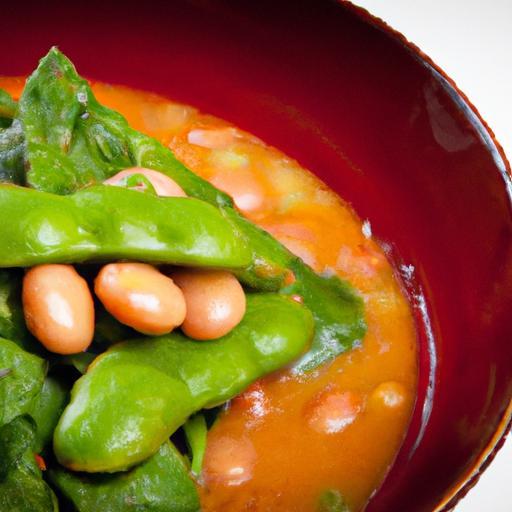
Serve this hearty giant bean dish steaming over a bed of fluffy quinoa or brown rice.Drizzle with extra virgin olive oil and serve alongside warm crusty bread for a full, comforting meal. Garnish with lemon wedges and a sprinkling of toasted pumpkin seeds for added texture and nutty flavor. pair with a fresh cucumber and tomato salad dressed in lemon vinaigrette to complement the beans’ robust taste.

| Nutrient | Per Serving |
|---|---|
| Calories | 320 kcal |
| Protein | 18 g |
| Carbohydrates | 45 g |
| Fat | 6 g |
For further insight into the cultivation of unique legumes like the giant bean, visit the royal Botanic gardens, kew. Additionally, explore our detailed guide on Growing Unique Beans at Home to maximize your gardening success.
Q&A
Q&A: Unveiling the Giant bean: Nature’s Oversized Marvel
Q1: What exactly is the Giant Bean?
A1: The Giant Bean is an extraordinary legume that stands out not just for its size but also for its fascinating biology. Imagine a bean so large it could almost be used as a small pillow! Native to certain tropical regions, this marvel of nature defies the typical image of the humble bean, growing to impressive lengths and widths that surprise scientists and food enthusiasts alike.
Q2: How big can the Giant Bean really get?
A2: While most common beans hover around a few centimeters, the Giant Bean can reach lengths of up to 45 centimeters (about 18 inches) and weigh several hundred grams. Its sheer size is a testament to the wonders of botanical diversity, making it one of the largest beans discovered on Earth.
Q3: Where does the Giant Bean grow?
A3: This oversized marvel thrives in lush, humid tropical forests, particularly in regions of Central and South America.It prefers rich, well-drained soil and a warm climate, where it climbs and sprawls over the vegetation, showcasing its colossal pods for all to see.
Q4: What makes the Giant Bean unique beyond its size?
A4: Beyond its impressive dimensions, the Giant Bean boasts a set of intriguing characteristics. Its seeds are nutrient-rich, offering a bounty of proteins and minerals. Additionally, the plant features vibrant flowers that attract a variety of pollinators, playing a vital role in its ecosystem. Its resilience and ability to thrive in diverse environments also make it an vital species for sustainable agriculture.
Q5: Can people eat the Giant Bean?
A5: Absolutely! when properly prepared, the Giant Bean serves as a hearty and nutritious food source. Local communities have incorporated it into conventional dishes for generations. though, like many large legumes, it needs thorough cooking to neutralize natural toxins and unlock its full flavor and nutritional potential.
Q6: How has the Giant Bean influenced culture or cuisine?
A6: The oversized bean has inspired folklore and culinary creativity alike. Its striking presence has led to stories that celebrate abundance and nature’s generosity. Cooks cherish it for its texture and taste, often using it in stews, soups, and even as a plant-based protein substitute.
Q7: Why should we care about the Giant Bean?
A7: The Giant Bean is more than just a botanical curiosity; it symbolizes the incredible diversity of life on our planet. Studying such plants helps us understand ecological balance, discover new food sources, and appreciate the artistry of evolution. Preserving it and its habitat ensures that this natural giant continues to inspire wonder for generations to come.
Q8: where can I learn more about the Giant bean or see it for myself?
A8: Botanical gardens in tropical regions frequently enough feature the Giant Bean as a highlight of their legume collections. Documentaries and research articles delve deeper into its biology and ecological significance.For the adventurous, guided eco-tours in native forests offer a chance to witness the Giant Bean flourishing in its natural habitat-a truly unforgettable experience!
Unlocking the secrets of the Giant Bean reveals more than just a remarkable seed; it opens a window into nature’s capacity for grandeur and surprise. Next time you think of beans, imagine a giant proud and lush, climbing through the forest canopy-a living testament to nature’s oversized marvels.
Closing Remarks
As we peel back the layers of the giant bean’s story, it becomes clear that this oversized marvel is more than just a botanical curiosity-it’s a testament to nature’s boundless creativity and resilience. From its impressive size to its ecological significance, the giant bean invites us to reconsider the humble legume’s role in our world.Whether gracing tropical forests or inspiring sustainable innovations,this extraordinary plant reminds us that sometimes,nature’s biggest wonders come in the most unexpected packages. So next time you encounter a giant bean, take a moment to appreciate the extraordinary tale it carries-one that continues to grow, thrive, and astonish.