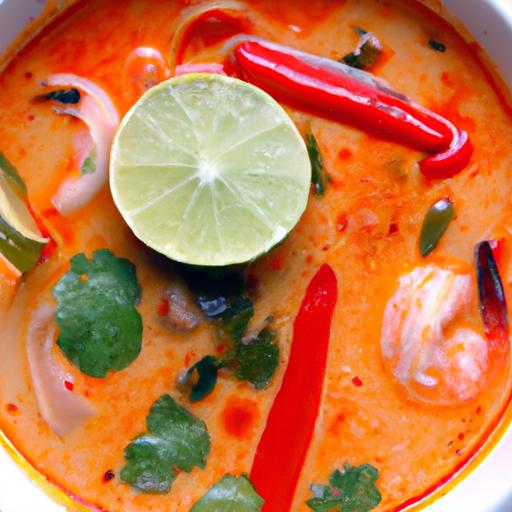

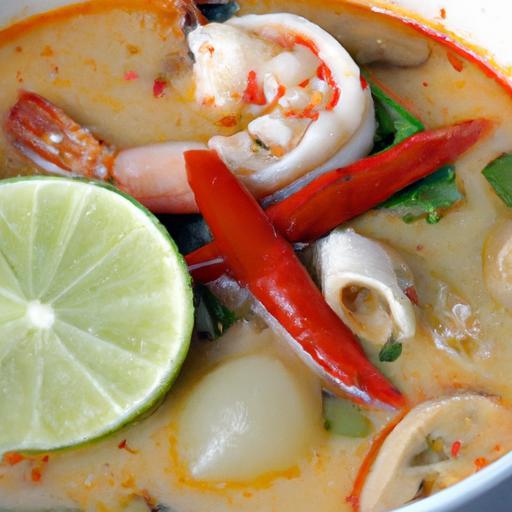
In the vibrant tapestry of Thai cuisine, few dishes capture the essence of the country’s bold and harmonious flavors like Tom Yum soup. A steaming bowl of this iconic broth is an exhilarating dance of spicy heat, tangy sourness, and fragrant herbs-each spoonful an invitation to explore Thailand’s rich culinary heritage. Beyond its tantalizing taste lies a story steeped in tradition, local ingredients, and cultural meaning. Join us on a flavorful journey as we delve into the origins, ingredients, and variations of tom Yum soup, uncovering why this fiery, aromatic delight continues to enchant taste buds around the world.
Origins and Cultural Significance of Tom Yum Soup
tom Yum Soup is an iconic emblem of Thai cuisine, celebrated worldwide for its vibrant blend of spicy and sour flavors. This aromatic soup traces its roots to Central Thailand and Northeastern regions, where locals ingeniously combined indigenous herbs to create a broth that dazzles the senses. Traditionally, Tom Yum was a humble fisherman’s meal, made with fresh river prawns and wild herbs harvested from the surrounding forests and waterways.
More than just a dish, Tom Yum Soup serves as a cultural symbol of Thai hospitality and culinary artistry. It’s often shared among family and friends,embodying the perfect balance of warmth,health,and community.The soup’s bold flavor profile-one that together excites and comforts-reflects the Thai culinary philosophy of harmonizing the five fundamental taste elements: sour, spicy, salty, sweet, and bitter.
Key Ingredients That Define Its Bold Flavor Profile
At the heart of every authentic Tom Yum Soup lie a handful of indigenous ingredients that infuse the broth with its unmistakable depth and brightness. The fresh lemongrass, sliced thinly to release its citrus-rich essence, couples beautifully with the galangal root, lending a sharp, peppery aroma. Kaffir lime leaves add an aromatic zest, while the fiery bird’s eye chilies introduce an invigorating heat that tingles the palate.
Equally essential are the fresh lime juice and fish sauce, which balance the broth with acidity and umami richness, respectively. The quintessential protein component-usually fresh shrimp or mushrooms for vegetarians-absorbs these flavors, creating a dish bursting with complexity and texture.
Step by step Guide to Crafting Authentic Tom Yum at Home
Bringing tom Yum Soup into your kitchen is a rewarding experience that combines fresh ingredients and straightforward technique to produce an explosion of flavor. Follow this detailed guide to recreate the magic of Thailand’s famous soup with confidence.
Prep and Cook Time
- Readiness: 15 minutes
- Cooking: 20 minutes
- Total: 35 minutes
Yield
- Serves 4
Difficulty Level
- Medium
Ingredients
- 4 cups chicken or vegetable broth, preferably homemade
- 2 stalks lemongrass, trimmed and smashed
- 3 slices galangal root, about 1/4 inch thick
- 5 Kaffir lime leaves, torn to release oils
- 4-5 bird’s eye chilies, bruised (adjust to heat preference)
- 200g (7 oz) fresh shrimp, peeled and deveined
- 200g (7 oz) straw mushrooms or button mushrooms, halved
- 2 tbsp fish sauce
- 1 1/2 tbsp fresh lime juice
- 1 tsp palm sugar (or brown sugar)
- 2 cloves garlic, minced
- Fresh cilantro for garnish
- Optional: sliced shallots or cherry tomatoes
Instructions
- prepare the broth: In a large pot, bring the chicken or vegetable broth to a gentle boil over medium heat.
- Add aromatics: Add the smashed lemongrass stalks,galangal slices,Kaffir lime leaves,and bruised bird’s eye chilies to the pot. Let them simmer for 8-10 minutes to infuse the broth deeply with their flavors.
- Aromatize further: Stir in the minced garlic and optional shallots or cherry tomatoes. Continue simmering for 2 minutes.
- Add mushrooms: Toss in the mushrooms,allowing them to cook through for 3-4 minutes until tender and plump.
- cook the shrimp: Add the shrimp to the simmering broth, cooking until they turn opaque and firm-about 2-3 minutes.Be careful not to overcook.
- Season the soup: Reduce the heat to low. Stir in the fish sauce and palm sugar, balancing salty and sweet notes perfectly. Adjust seasoning to your taste.
- Finish with lime juice: Remove the pot from heat and stir in fresh lime juice for that signature tangy brightness. Taste and add more lime or fish sauce if desired.
- Serve: Ladle the steaming hot soup into bowls, garnish generously with fresh cilantro, and serve instantly.
Chef’s Notes and Tips for success
- Use fresh herbs: For authentic flavor,fresh lemongrass,galangal,and Kaffir lime leaves are essential. Avoid dried substitutes unless necessary.
- Balancing flavors: Tom Yum is all about harmony-if the soup is too spicy, add a small amount of sugar; if too sour, add a touch more fish sauce to deepen the umami.
- Protein variations: Replace shrimp with chicken, tofu, or a medley of seafood like squid and fish for versatile options.
- Make-ahead tip: Prepare the broth in advance but add shrimp and lime juice just before serving to preserve freshness.
- Vegetarian modification: use vegetable broth and soy sauce instead of fish sauce, and add extra mushrooms or tofu.
Pairing Tom Yum with Traditional Thai Dishes for a Complete Experience
Enjoy your Tom Yum Soup alongside classic Thai culinary staples to create a well-rounded meal. The spicy,sour soup pairs wonderfully with fragrant jasmine rice,which helps mellow the heat. Complement it with a fresh Som Tum (green papaya salad) for crisp texture and subtle sweetness. Grilled satay skewers or a light thai omelette provide marvelous protein contrasts, while sweet mango sticky rice offers a cool, fruity finish to cleanse the palate.
These pairings not only highlight Thai flavors but also honor the communal spirit of enjoying shared dishes by the table.
| Nutrient | Per Serving |
|---|---|
| Calories | 180 kcal |
| Protein | 22 g |
| Carbohydrates | 8 g |
| Fat | 5 g |

Q&A
Q&A: Tom Yum Soup – Exploring Thailand’s Spicy,Sour Delight
Q1: What exactly is Tom Yum Soup?
A1: Tom Yum is a dazzlingly aromatic Thai soup renowned for its fiery heat and vibrant sourness. It’s a harmonious dance of bold flavors-think zesty lemongrass, tangy lime, fragrant kaffir lime leaves, pungent galangal, and a spicy kick from fresh chilies-all mingling in a clear, savory broth. Often, it features succulent shrimp (Tom Yum Goong) or chicken, making it a beloved comfort food across Thailand and beyond.
Q2: What makes Tom Yum so unique compared to other soups?
A2: Unlike creamy or heavy soups,Tom Yum thrives on the balance of sour,spicy,salty,and sweet notes that wake up your taste buds. The brightness comes from fresh herbs and citrus elements, while the chili delivers a vibrant heat that’s both exhilarating and comforting. This complex layering of flavors is what sets Tom Yum apart-each spoonful is like an adventure in a bowl.
Q3: how is Tom Yum traditionally prepared?
A3: Traditionally, Tom Yum begins with a fragrant broth infused by boiling lemongrass stalks, galangal slices, and kaffir lime leaves. Then, fresh shrimp or other proteins are gently cooked right in the broth.Mushrooms, shallots, and tomatoes join in for texture and subtle sweetness. Just before serving, a splash of fish sauce and fresh lime juice are added, along with crushed chilies and fresh coriander, creating that quintessentially pungent and tangy finish.
Q4: Is Tom Yum soup very spicy?
A4: Yes, but the spiciness is frequently enough adjustable. It’s known for its fiery character, thanks to fresh bird’s eye chilies or chili paste. However,many recipes can be toned down or ramped up to suit your palate. The heat is balanced by sourness and aromatic herbs, so even non-spicy lovers can appreciate the complexity without overwhelming their senses.
Q5: Can Tom Yum be made vegetarian or vegan?
A5: Absolutely! While classic Tom Yum commonly features shrimp or chicken broth, you can create a vibrant vegetarian version by using vegetable stock and omitting fish sauce in favor of soy sauce or tamari. Mushrooms,tofu,and a bounty of fresh herbs still deliver that iconic flavor profile that makes Tom Yum a star even without animal products.
Q6: why is Tom Yum soup so popular internationally?
A6: Tom Yum’s appeal lies in its unforgettable flavor explosion-bright, spicy, sour, and deeply aromatic-which feels refreshingly diffrent from many Western soups. Its healthful ingredients, like fresh herbs and lean proteins, plus the warmth it offers on chilly evenings, have made it a global ambassador of Thai cuisine. Whether dining at a trendy eatery or cooking at home, Tom Yum brings a taste of Thailand’s vibrant culinary heritage to any table.
Q7: What drinks or sides pair well with Tom yum?
A7: To tame the heat and complement the lively flavors, a cooling Thai iced tea or a crisp lager is perfect. As for sides, sticky jasmine rice or a simple papaya salad (som tam) provide a delightful contrast. These accompaniments help balance the zesty soup and round out your Thai dining experience.
Whether you seek a fiery broth to awaken your senses or a sour-sweet hug in a bowl, Tom Yum soup offers an unforgettable journey into Thailand’s bold and gorgeous flavor world. Give it a try and let your palate travel!
Future Outlook
Tom Yum soup is more than just a dish; it’s a vibrant expression of Thai culture, where fiery heat and tangy zest come together to create a symphony of flavors that awaken the senses.Whether enjoyed steaming hot at a bustling street stall in Bangkok or carefully crafted in your own kitchen, this iconic soup invites you to explore the bold balance of spicy, sour, and aromatic notes that define Thailand’s culinary artistry. So the next time you crave a bowl that tells a story with every sip, remember Tom Yum-a timeless delight that captures the heart and soul of Thailand in one unforgettable taste.