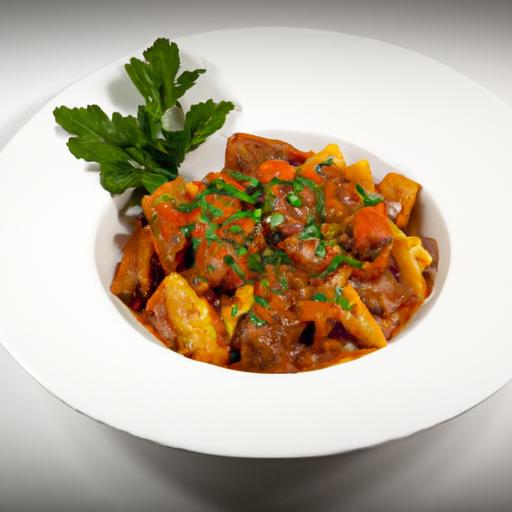

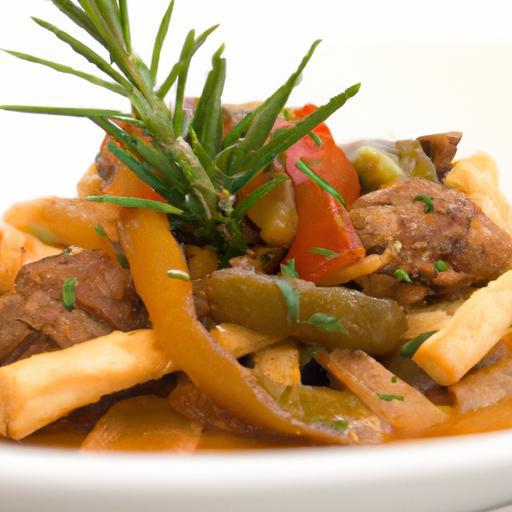
Nestled within the rich tapestry of Greek cuisine lies a dish that captures the heart and soul of Mediterranean comfort food: stifado. This hearty stew, simmering with tender meat, sweet onions, and a symphony of aromatic spices, is more than just a meal-it’s a culinary story steeped in tradition and warmth. In “Stifado Unveiled: A Savory journey into Greek Comfort Food,” we delve beyond the recipe to explore the origins, cultural significance, and timeless allure of this beloved classic. Join us as we uncover the flavors and heritage that make Stifado a cherished emblem of Greek hospitality and home-cooked comfort.
Stifado Unveiled: A Savory Journey into Greek Comfort Food invites you to explore a dish steeped in history and flavor, weaving together the earthy heartiness of slow-cooked meat with the sweet tang of aromatic spices and rich red wine. This quintessential Greek stew originates from the Cycladic islands and the Peloponnese region, where farmers and fishermen transformed humble ingredients into a celebratory meal full of warmth and soul. Every spoonful captures Greece’s culinary heritage-melding slow-braised tender beef or rabbit with layers of cinnamon, cloves, and fiery onions, enhanced by a luscious tomato base that speaks of sun-drenched Mediterranean gardens.
Prep and Cook Time
- Preparation: 20 minutes
- Cooking: 2 hours 30 minutes
- Total: 2 hours 50 minutes
Yield
Serves 6 hearty portions
Difficulty Level
Medium – perfect for an inspired home cook ready to embrace slow-cooking and layering bold flavors
Ingredients
- 2 lbs beef chuck, cut into 1.5-inch cubes (substitute with rabbit or lamb for variation)
- 3 tbsp extra virgin olive oil
- 1 lb small pearl onions, peeled
- 4 cloves garlic, minced
- 1½ cups full-bodied dry red wine (e.g. Xinomavro or Agiorgitiko)
- 1 (14 oz) can crushed tomatoes
- 2 tbsp tomato paste
- 2 tbsp red wine vinegar
- 2 cinnamon sticks
- 5 whole cloves
- 3 bay leaves
- Salt and freshly ground black pepper to taste
- 2 tbsp honey (optional,to balance acidity)
- fresh parsley,chopped for garnish
- Water or beef broth as needed
Instructions
- brown the Meat: Heat the olive oil in a large heavy-bottomed pot over medium-high heat.Add beef cubes in batches, avoiding overcrowding. Sauté until well browned on all sides, about 6-8 minutes per batch. Remove and set aside.
- Sauté the Pearl onions: Add the peeled pearl onions to the pot. Cook for 5-7 minutes until they start caramelizing – stirring gently to avoid breaking.This natural sweetness is crucial to authentic stifado’s rich flavor profile.
- Add Garlic and Spices: Stir in the minced garlic, cinnamon sticks, cloves, and bay leaves. Cook until fragrant,about 2 minutes,releasing those warm,inviting aromas.
- Deglaze with Wine: Pour the red wine into the pot, scraping up browned bits from the bottom. Let it simmer and reduce by approximately half to concentrate the wine’s fruity depth and acidity.
- Integrate Tomatoes and Vinegar: Stir in crushed tomatoes, tomato paste, red wine vinegar, and honey if using. Return the browned meat to the pot, ensuring everything is well combined and submerged.Season generously with salt and black pepper.
- Slow Simmer: Bring the stew to a gentle boil, then reduce heat to low. Cover partially and simmer for 2 to 2.5 hours, stirring occasionally, until the meat turns melt-in-your-mouth tender and the sauce thickens beautifully.
- Adjust Consistency and Final Taste: If the sauce thickens too much, add a splash of water or beef broth. Taste and fine-tune salt, pepper, or a pinch more honey if the acidity feels sharp.
- Rest and Garnish: Remove from heat and let the stifado rest for 10 minutes before serving.Sprinkle chopped fresh parsley on top for a burst of color and fresh herbal brightness.
Tips for Success
- Choose high-quality, well-marbled beef chuck for tender results that develop rich flavor with slow cooking.
- Pearl onions are traditional, but if unavailable, small shallots can make a suitable substitute.
- Be patient – proper slow simmering unlocks the layers of flavor characteristic of authentic stifado.
- Prepare the stew a day ahead; flavors deepen and harmonize beautifully overnight.
- For a heartier stew, serve with hand-rolled Greek pasta or creamy polenta to soak up every drop of sauce.
Serving Suggestions
Present your stifado in deep bowls with a generous sprinkle of fresh parsley. Pair with rustic crusty bread or buttery mashed potatoes to balance the robust sauce.
For an authentic Greek experience,serve stifado alongside a fresh village salad tossed with ripe tomatoes,cucumbers,Kalamata olives,and tangy feta cheese.
Wine Pairing: Bold, fruity red wines like Xinomavro or Agiorgitiko showcase perfect synergy, matching stifado’s spice and weight effortlessly. A glass of aged Retsina also complements the dish’s aromatic notes beautifully.
| Nutritional Info (per serving) | Calories | Protein | Carbs | Fat |
|---|---|---|---|---|
| Stifado Beef Stew | 420 kcal | 38 g | 15 g | 18 g |

Ready to dive deeper? Discover other classic Greek recipes like Traditional Moussaka to enrich your culinary repertoire.
Q&A
Q&A: Stifado Unveiled – A Savory Journey into Greek Comfort Food
Q1: What is Stifado, and why is it considered a quintessential Greek comfort food?
A1: Stifado is a rich, slow-cooked Greek stew known for its deep, hearty flavors. Traditionally made with tender beef or rabbit, onions, red wine, tomatoes, and aromatic spices like cinnamon and cloves, it’s a dish that warms both body and soul. Its comforting essence stems from a centuries-old tradition of home cooking, where simple ingredients are transformed into a luscious, aromatic feast.
Q2: How did Stifado originate, and what cultural influences shaped its recipe?
A2: Originating from the peloponnese region of Greece, Stifado reflects a fusion of Mediterranean and Byzantine culinary traditions.the name derives from the Italian word “stufato,” meaning “stewed,” a nod to Venetian influence during medieval times. Over generations, Greek cooks adapted it to local tastes, infusing it with native spices and regional produce, making it a truly Hellenic comfort classic.
Q3: What makes Stifado’s flavor profile so distinctive?
A3: The magic of Stifado lies in its harmonious blend of sweet and savory notes. Slow simmering onions impart natural sweetness, while bold spices like cinnamon and cloves add warmth and complexity. The introduction of red wine and tomato paste deepens the stew’s richness, creating a layered, mouthwatering profile that lingers long after the last bite.
Q4: Can Stifado be prepared with variations, and if so, which ones are popular?
A4: Absolutely! While beef is the most common meat, traditional Stifado recipes also feature rabbit, lamb, or even octopus for coastal variations. Vegetarian versions swap meat for hearty mushrooms or eggplant, maintaining the stew’s signature warmth. Each variation keeps the soul of Stifado intact while highlighting local ingredients and personal creativity.
Q5: How is Stifado traditionally served and enjoyed in Greece?
A5: Stifado is typically served steaming hot, accompanied by crusty bread to soak up its luscious sauce.It pairs beautifully with creamy mashed potatoes, buttered pasta, or fluffy rice. In Greek households, it’s more than a meal-it’s a communal experience, frequently enough shared during festive gatherings or Sunday family dinners, embodying the spirit of Greek hospitality.
Q6: what tips are essential for home cooks wanting to recreate authentic Stifado?
A6: Patience is key! Slow cooking allows flavors to meld perfectly. Browning the meat thoroughly before simmering adds depth. Don’t skimp on quality onions-they’re the stew’s cornerstone. Balancing spices is an art: start subtle with cinnamon and cloves,adjusting to taste. a splash of red wine introduces acidity and richness, sealing the dish’s authentic flavor.
Q7: why does stifado remain relevant in today’s culinary world?
A7: In an era of fast food and fleeting trends,Stifado offers a flavorful reminder of the power of slow food and tradition. Its hearty, soulful nature caters to the universal craving for comfort and connection. moreover, its adaptability ensures it resonates with modern palates, making Stifado a timeless emblem of Greek culinary heritage that continues to inspire chefs and food lovers worldwide.
Final Thoughts
As we close this flavorful chapter on stifado, it’s clear that this humble Greek stew is much more than a dish-it’s a warm embrace from the heart of Greece’s culinary heritage. With its rich layers of tender meat, aromatic spices, and slow-simmered love, Stifado invites us to savor not just a meal, but a story steeped in tradition and comfort. Whether enjoyed at a bustling taverna or lovingly prepared at home, this savory journey reminds us that some flavors carry the magic of a thousand shared moments around the table. So next time you crave a taste of Greek comfort food, let Stifado be your delicious passport to a timeless feast.