

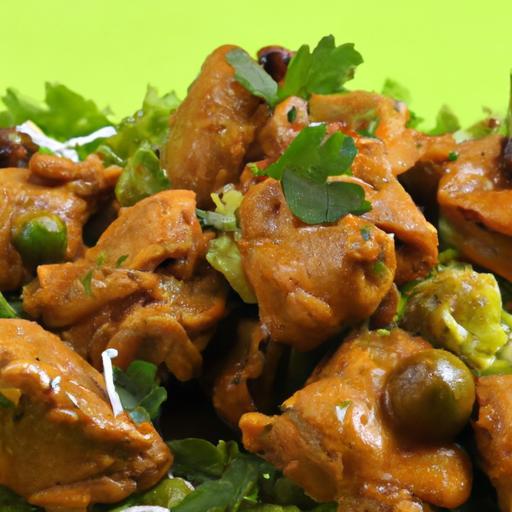
In the vibrant world of plant-based delights, few ingredients pack a punch quite like soya chaap. Bursting with protein and brimming with wholesome goodness, this traditional yet versatile treat is rapidly carving its niche on plates across the globe. But what makes soya chaap a powerhouse among protein sources? Beyond its tantalizing texture and rich flavor lies a treasure trove of nutritional benefits waiting to be unlocked. Join us as we delve into the wonders of soya chaap, exploring how this humble legume-based marvel can fuel your body, elevate your meals, and redefine your approach to healthy eating.
Power-Packed Protein lies at the heart of soya chaap’s undeniable appeal. Originating from the vibrant culinary traditions of North India, soya chaap is a versatile, flavorful soy-based delight that has become synonymous with nutritious muscle fuel and recovery booster.This dish’s intriguing texture-firm yet tender-and its remarkable protein content make it an ideal ingredient for anyone seeking to nourish their body without compromising on taste. Whether you’re a dedicated fitness enthusiast or simply someone eager to enrich your meals,embracing soya chaap means unlocking a whole new spectrum of health benefits wrapped in irresistible flavors.
Prep and Cook Time
- Planning: 15 minutes
- Marination: 30 minutes
- Cooking: 20 minutes
- Total Time: 1 hour 5 minutes
Yield
Serves 4 hearty portions
Difficulty Level
Medium – Perfect for home cooks ready to explore bold flavors
Ingredients
- 400g soya chaap sticks (fresh or frozen, thawed)
- 2 tbsp yogurt (for marinade)
- 1 tbsp ginger-garlic paste
- 2 tsp red chili powder
- 1 tsp turmeric powder
- 1 tbsp garam masala
- 2 tbsp mustard oil (or vegetable oil)
- Salt to taste
- Juice of 1 lemon
- Fresh coriander leaves, chopped (for garnish)
- 1 large onion, sliced thinly
- 1 medium tomato, chopped
- 1 tsp cumin seeds
- 1 tbsp gram flour (besan) (optional, for binding)
- Paper towels (for drying chaap sticks)
Instructions
- Prepare the soya chaap: If using frozen soya chaap sticks, thaw fully, then gently pat them dry with paper towels to remove excess moisture. This helps marinade adhere better and enhances the final texture.
- Make the marinade: In a bowl, combine yogurt, ginger-garlic paste, red chili powder, turmeric, garam masala, mustard oil, lemon juice, salt, and gram flour (if using). Whisk until smooth.
- Marinate the chaap: Add the dry chaap sticks to the marinade, ensuring each stick is fully coated. Cover and refrigerate for at least 30 minutes to allow the flavors to penetrate deeply.
- Sauté the aromatics: Heat a tablespoon of oil in a non-stick pan over medium heat. Add cumin seeds and let them splutter. Then add sliced onions and sauté until golden brown, about 5-7 minutes. Stir occasionally to prevent sticking.
- Cook the chaap: Gently place marinated soya chaap sticks in the pan alongside tomatoes. Cook for about 12-15 minutes, turning occasionally. The chaap should turn golden with slight char marks for that smoky flavor.
- Final touches: Adjust salt and garnish with fresh coriander leaves. For a zestier finish,squeeze additional lemon juice just before serving.
- Serve hot: Pair your soya chaap with warm, fluffy rotis, steamed basmati rice, or a fresh salad for a complete protein-rich meal.
Tips for Success
- For an extra smoky twist, finish cooking the chaap on a grill or under a broiler for 2-3 minutes.
- If you prefer a creamier marinade,substitute yogurt with hung curd or coconut cream.
- use firm, fresh soya chaap for best texture; avoid very soft or overly processed varieties.
- Marinate longer-up to 2 hours-for deeper flavor absorption.
- Make-ahead: Marinated chaap can be kept refrigerated for up to 24 hours or frozen for up to one week.
Serving Suggestions
Present the soya chaap sticks artistically skewered or arranged in a shallow platter topped with a sprinkle of chopped fresh coriander and a side of tangy mint chutney. Accompany with lemon wedges for an added citrus burst. For a vibrant visual appeal and balanced nutrition,serve with a colorful medley of roasted vegetables or a cooling cucumber-yogurt raita. This dish’s alluring aroma and rustic colors will captivate your guests even before the first bite.

Nutritional Highlights per Serving
| Nutrient | Amount |
|---|---|
| Calories | 320 kcal |
| Protein | 28 g |
| carbohydrates | 18 g |
| Fat | 12 g |
Including Power-Packed Protein like soya chaap in your meals isn’t just satisfying-it’s a strategic choice for muscle growth and recovery. Its plant-based protein offers essential amino acids vital for muscle repair, making it a favorite among vegetarians and fitness aficionados. For more innovative plant-protein recipes, explore our collection of power-packed vegetarian dishes.
To verify the nutritional benefits of soy-based proteins, visit Healthline’s detailed guide on soy protein.
Q&A
Q&A: Power-Packed Protein – Unlocking Soya Chaap’s Benefits
Q1: What exactly is soya chaap?
A1: Soya chaap is a delicious,protein-rich Indian delicacy made from soybeans. Traditionally crafted by wrapping textured soy protein around bamboo sticks, it’s a versatile meat substitute loved for its chewy texture and ability to absorb rich flavors from spices and marinades.
Q2: Why is soya chaap considered a power-packed protein source?
A2: Packed with high-quality plant-based protein, soya chaap provides all nine essential amino acids your body needs. It’s a fantastic choice for vegetarians and vegans seeking to boost their protein intake without relying on animal products. Plus, it’s low in fat and cholesterol-free!
Q3: How does soya chaap benefit your health?
A3: Beyond protein, soya chaap offers fiber, iron, calcium, and antioxidants.Regular consumption can support muscle growth, enhance bone health, aid digestion, and contribute to heart-pleasant eating habits by lowering bad cholesterol levels.
Q4: Can soya chaap help with weight management?
A4: Absolutely! With its high protein and fiber content, soya chaap helps keep you fuller for longer, reducing unneeded snacking and promoting a balanced metabolism. It’s a smart addition to any weight-conscious diet.
Q5: How can I cook soya chaap to maximize its benefits?
A5: Marinate soya chaap in wholesome spices and grill, bake, or stir-fry it for a tasty, nutritious meal. Avoid deep frying to keep it light and healthful. Pair it with fresh veggies and whole grains for a balanced plate bursting with flavor and nutrients.
Q6: Is soya chaap suitable for people with soy allergies?
A6: Since soya chaap is made from soy,it is not suitable for those with soy allergies or sensitivities. Always check labels and consult a healthcare professional if you’re unsure about soy in your diet.
Q7: Can children and elderly benefit from including soya chaap in their diet?
A7: Soya chaap can be a great way to provide essential nutrients to children and elderly alike,supporting growth and maintenance of muscle mass. Just ensure it’s prepared in a digestible form and introduced gradually.
Q8: Where can I find soya chaap?
A8: Soya chaap is available in many Indian supermarkets, frozen food aisles, and specialty health food stores. You can also make a homemade version with textured soy protein and simple ingredients!
unlock the power of protein with soya chaap-a tasty, nourishing, and enduring addition to your culinary repertoire!
Wrapping Up
As we unwrap the layers of soya chaap, it’s clear that this humble protein source is far more than just a flavorful dish-it’s a powerhouse of nutrition waiting to fuel your body and delight your palate. Whether you’re a fitness enthusiast seeking muscle repair or a conscious foodie aiming for sustainable eating, soya chaap offers a versatile, nutrient-rich option that bridges health and indulgence with ease. So next time you crave something both hearty and wholesome, let soya chaap be your delicious gateway to unlocking nature’s protein-packed potential. Embrace the benefits, savor the taste, and power up your plate-because good food fuels a great life.