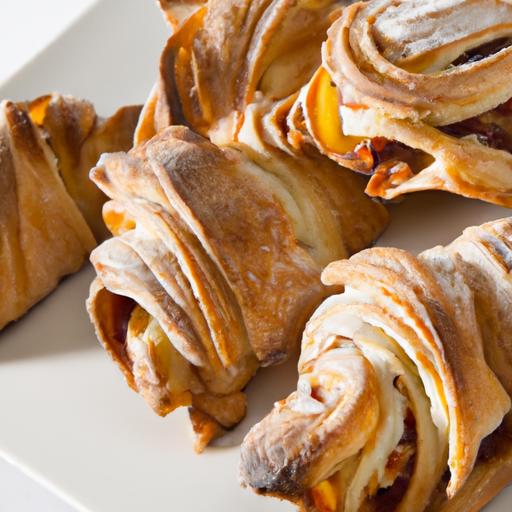

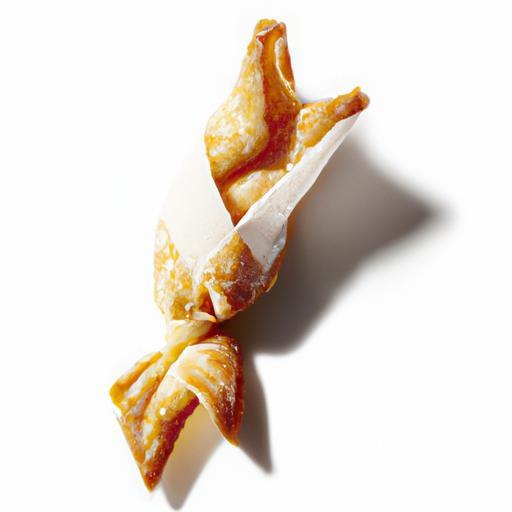
In the sun-drenched streets of Naples, where history and flavor weave seamlessly together, a delightful treasure awaits discovery: the sfogliatella. This iconic Italian pastry, with its delicate layers of crisp, golden dough and luscious sweet filling, is much more than just a dessert-it is a testament to centuries of culinary artistry and regional pride. “Sfogliatelle Unwrapped: Italy’s Crispy, Sweet Treasure” invites you on a journey to uncover the origins, craftsmanship, and irresistible charm behind this beloved delicacy. As we peel back the flaky folds of the sfogliatella, prepare to savor not only its buttery crunch and aromatic hints of citrus and ricotta but also the rich cultural story baked into every bite.
Sfogliatelle, Italy’s crispy, sweet treasure, is a pastry that enchants with its shell-like shape and delicate, flaky layers that crunch perfectly with every bite. Originating from the Campania region near Naples, this iconic dessert carries centuries of history wrapped in its buttery, paper-thin folds.Encountering its irresistible aroma and striking texture for the first time is a moment I treasure deeply-it’s more than just a pastry; it’s a sensory journey through Italian heritage.
Prep and Cook Time
- Preparation: 1 hour 30 minutes
- resting Time: 2 hours (dough chilling)
- Cooking: 25 minutes
- Total Time: Approximately 4 hours
Yield
- Makes 12 medium-sized sfogliatelle
Difficulty Level
- Advanced – requires patience and finesse to achieve perfect layers
Ingredients
-
- For the Dough:
- 2 cups all-purpose flour, sifted
- 1/4 cup granulated sugar
- Pinch of salt
- 1/2 cup unsalted butter, melted and cooled
- 2/3 cup warm water
- 1 teaspoon white vinegar or lemon juice
- For the ricotta filling:
- 1 1/2 cups whole-milk ricotta, well-drained
- 3/4 cup semolina flour
- 1 cup whole milk
- 3/4 cup granulated sugar
- 1 teaspoon pure vanilla extract
- 1 teaspoon freshly grated orange zest
- 1/2 teaspoon ground cinnamon
- 2 large eggs
- 1/4 cup candied orange peel, finely chopped (optional)
- For the Dough:
Instructions
-
-
- Make the Dough: In a large bowl, combine sifted flour, sugar, and salt. Stir in the melted butter and vinegar. Slowly add warm water,mixing with a wooden spoon until a rough dough forms.
- knead Thoroughly: Transfer dough to a lightly floured surface and knead for 10-15 minutes until smooth and elastic. This step is crucial for developing the dough’s signature flaky texture.
- Rest and Chill: Shape dough into a ball, wrap in plastic wrap, and refrigerate for at least 2 hours.
- Prepare Filling: in a saucepan, gently heat milk and semolina over medium-low heat, stirring constantly until thickened, about 7 minutes. Remove from heat and let cool.
- Mix Filling: Combine ricotta, sugar, vanilla, orange zest, cinnamon, eggs, and candied peel with the cooled semolina, stirring until smooth and creamy.
- Roll Out Dough: Divide dough into 3 portions. Roll each portion out into a very thin rectangle (about 12×8 inches). using a pastry brush, spread a thin, even layer of melted butter over the dough surface.
- Shape the Folds: Carefully roll dough lengthwise into a tight log, then slice into 12 equal pieces.
- Fill and form Shells: Press each piece flat and spoon 1 tablespoon of filling onto each piece, folding gently into the characteristic shell shape, pinching edges to seal without bursting.
- Bake: Preheat oven to 375°F (190°C).Place pastries on a parchment-lined baking sheet.Brush lightly with melted butter.Bake for 20-25 minutes, or until golden and crispy, rotating halfway.
- Cool and Serve: Let sfogliatelle cool slightly before serving to enjoy the crisp texture at its best.
-
Tips for Success
-
-
- Thin Dough is Key: Roll the dough paper-thin to achieve the signature layers that crisp up beautifully.
- Butter Brush: Generously butter between dough layers to separate and create the “sfoglie” or leaf-like layers.
- Keep Dough Chilled: Resting dough in the fridge relaxes gluten and prepares it for stretching.
- Drain Ricotta Well: Excess moisture ruins the filling consistency; drain ricotta overnight in a fine sieve.
- Make Ahead: Assemble sfogliatelle a day ahead, store in the fridge, and bake just before serving for freshness.
- Substitutions: Semolina can be exchanged for fine cornmeal, but it will slightly alter texture and flavor.
-
Serving Suggestions
Present sfogliatelle warm from the oven, dusted with powdered sugar and served alongside a robust espresso or a citrus-infused herbal tea. Garnish with thin strips of candied orange peel or fresh mint leaves to enhance the visual appeal and complement the zest in the filling. For a decadent twist, drizzle lightly with a honey-vanilla glaze just before serving.
| Nutrient | Per Serving |
|---|---|
| calories | 280 kcal |
| Protein | 6 g |
| carbohydrates | 36 g |
| Fat | 12 g |

Exploring Regional Variations and Filling Flavors Across Italy
While Campania lays claim to the most famous sfogliatelle, the pastry’s influence has rippled throughout Italy, evolving in form and flavor. in puglia, you might discover sfogliatelle frolle, a version featuring a shortcrust pastry shell instead of the layered dough, delivering a denser bite. Sardinia experiments with custards and almond pastes, while some Amalfi Coast patisseries add a touch of ricotta blended with local lemon zest for heightened brightness.
Each regional variation encapsulates local culture, ingredients, and palate preferences. This versatility has kept sfogliatelle beloved through generations,inspiring chefs to innovate while honoring tradition. Dive deeper into Italian classic pastries to broaden your baking repertoire and experience the richness of Italy’s sweet heritage firsthand.
For historical context,visit Britannica’s detailed entry on sfogliatelle and immerse yourself in the pastry’s heritage.
Q&A
Q&A: Sfogliatelle Unwrapped – Italy’s crispy,Sweet Treasure
Q1: What exactly is a sfogliatella?
A1: Think of a sfogliatella as a delicate,shell-shaped pastry crafted from ultra-thin,flaky layers that snap delightfully with each bite. Hailing from Italy’s Campania region, this pastry is a harmonious dance of crispy texture and sweet, frequently enough citrus-infused, filling. Its name, meaning “small, thin leaf,” perfectly captures its leaf-like, multi-layered structure.
Q2: Where did the sfogliatella originate, and what’s its story?
A2: The sfogliatella’s tale begins in 17th-century Naples, born within a convent where nuns artfully combined simple ingredients to create a treat both humble and refined. Over centuries, it evolved into a beloved symbol of Neapolitan pastry craftsmanship, celebrated for its painstaking layering technique and rich flavors.
Q3: What are the main types of sfogliatelle?
A3: Sfogliatelle comes in a few delightful varieties, each with its own personality:
-
-
- Sfogliatella Riccia: The iconic, crunchy, and layered pastry filled with a sweet ricotta, semolina, and candied citrus mix.
- Sfogliatella Frolla: A softer, doughier cousin wrapped around the same luscious filling, offering a tender bite rather than a crisp snap.
- Santa Rosa: Featuring a luscious custard and cherry filling inside an airy sfogliatella shell, it’s a modern favorite with a fruity twist.
-
Q4: what makes sfogliatelle so uniquely crispy and flaky?
A4: The magic lies in the meticulous technique. The dough is stretched paper-thin, folded repeatedly, then rolled into a tight cone shape before baking. This layering traps steam and creates those signature crisp, parchment-like leaves, giving sfogliatelle its captivating crunch and delicate texture.
Q5: How is sfogliatella traditionally enjoyed?
A5: Best savored fresh from the oven, sfogliatelle pairs enchantingly with a strong espresso or a velvety cappuccino. Its sweetness and crispness make it a perfect morning indulgence or an afternoon delight,embodying the Italian art of la dolce vita in every bite.
Q6: Can I find sfogliatelle outside of Italy?
A6: Absolutely! While authentic sfogliatelle is a cherished gem deeply rooted in Neapolitan tradition, many Italian bakeries worldwide-especially in cities with vibrant Italian communities-proudly offer this treasure. Though a homemade sfogliatella requires patience and skill, adventurous bakers and pastry chefs alike have embraced the challenge, bringing a taste of Naples to the global stage.
Q7: Why should someone try sfogliatelle?
A7: Beyond its irresistible taste, sfogliatella is a journey through history, craftsmanship, and culture. Each flaky layer whispers stories of convent kitchens and bustling Napoli streets. Tasting one isn’t just about enjoying a pastry-it’s about unwrapping Italy’s heritage, one crispy, sweet bite at a time.
Key Takeaways
As the final crumb settles and the delicate layers of sfogliatelle reveal their buttery, sweet secrets, it’s clear why this beloved pastry has captured hearts far beyond Italy’s sun-kissed shores. More than just a dessert, sfogliatelle is a festivity of craftsmanship, tradition, and the art of indulgence baked into every crisp, fragrant fold. Whether enjoyed in a bustling Neapolitan café or recreated in your own kitchen, this treasure invites you to savor not just a taste, but a story – one of history, flavor, and the timeless joy found in Italy’s sweetest fold. So next time you seek a bite of Italy’s culinary soul, remember: the sfogliatelle awaits, unwrapped and ready to enchant.