
There’s something undeniably enchanting about the aroma of freshly baked bread wafting through a warm kitchen-an invitation to slow down, savor, adn connect with tradition. Enter rustic rosemary focaccia: a timeless Italian classic that embodies simplicity and flavor in every golden, herb-kissed bite. This humble yet hearty flatbread, with its crisp crust and pillowy interior, is more than just a side dish-it’s a celebration of rustic charm and culinary heritage.In this guide, we’ll explore the art and soul behind crafting the perfect rosemary focaccia, unraveling tips, techniques, and secrets to bring a piece of Italy’s countryside straight to your table. Whether you’re a seasoned baker or a curious novice, prepare to embark on a flavorful journey that promises comfort, creativity, and that unmistakable taste of tradition.
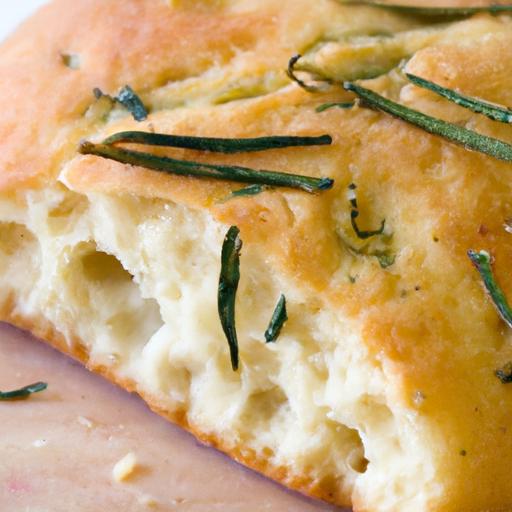
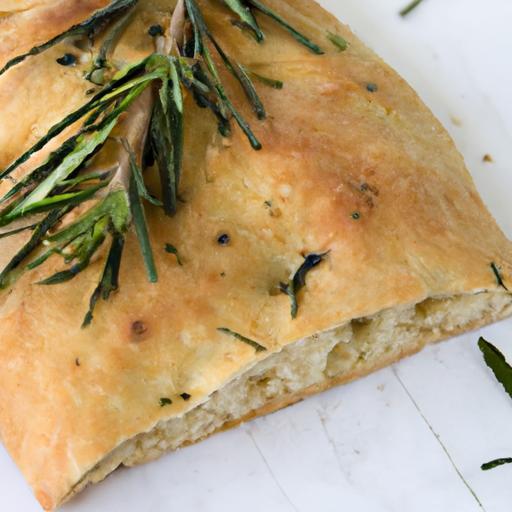
Rustic Rosemary Focaccia is more than just a bread; it’s an aromatic romp through the Italian countryside that captures the essence of simplicity and flavor. This beloved classic combines a perfectly airy, tender crumb with the crispy, golden crust bathed in herb-infused olive oil and crowned with fresh rosemary. Every bite releases fragrant piney notes that evoke the warmth of Mediterranean kitchens, turning an ordinary moment into an unforgettable culinary celebration.
Prep and Cook Time
- Preparation: 20 minutes
- Rising time: 1 hour 30 minutes
- Baking time: 25 minutes
- total time: Approximately 2 hours 15 minutes
Yield
Yields 1 large focaccia, serving 6-8 as a delectable side or snack.
Difficulty Level
Medium – Perfect for bakers ready to elevate their skills with fresh herbs and luscious crust development.
Ingredients
- 3 ½ cups all-purpose flour, sifted
- 1 ½ cups warm water (about 110°F / 43°C)
- 2 tsp active dry yeast
- 1 tbsp honey or sugar
- 1 tbsp kosher salt
- ½ cup extra virgin olive oil, divided
- 2 tbsp fresh rosemary leaves, finely chopped
- Coarse sea salt for sprinkling
Instructions
- Activate the yeast: In a small bowl, combine warm water, honey, and active dry yeast. Stir gently,than let sit for 5-10 minutes until frothy. Frothing means your yeast is alive and ready.
- mix the dough: In a large bowl, whisk the flour and kosher salt. Pour in the yeast mixture and 3 tablespoons of olive oil. mix with a wooden spoon until a shaggy dough forms.
- Knead thoroughly: Dust a clean surface with flour and knead the dough for about 8 minutes until smooth and elastic. It shoudl be slightly sticky but manageable. If too sticky, add sprinkles of flour-avoid over-flouring.
- First rise: Place dough in an oiled bowl, flipping once to coat all sides with olive oil. Cover with a damp towel or plastic wrap and let rise in a warm spot until doubled in size, about 1 hour.
- Prepare the pan: Drizzle 1 tablespoon of olive oil generously over a baking sheet or a 9×13-inch pan. transfer dough onto the pan and,with lightly oiled fingertips,gently stretch and press it out to fill the pan evenly.
- Second rise: Cover again and allow the dough to rise for 30 minutes until slightly puffy.
- Create dimples: Using your fingertips,press into the dough to make characteristic dimples,about ½ inch deep. These pockets are essential for holding the herb-infused oil.
- Prepare rosemary oil: In a small bowl,mix the remaining 2 tablespoons olive oil with the chopped fresh rosemary.
- Brush and sprinkle: Generously brush the rosemary-infused olive oil all over the dough, letting it pool in the dimples. Sprinkle coarse sea salt evenly on top.
- Bake to perfection: Bake in a preheated oven at 425°F (220°C) for 20-25 minutes or until the crust turns a radiant golden brown with crispy edges.
- Cool and serve: Remove from oven and allow to cool slightly on a wire rack before slicing. This resting time enhances texture and flavor infusion.
Tips for Success
- For optimal fragrance, pick fresh rosemary just before baking. Dried herbs don’t release the same vibrant aroma or taste.
- Use high-quality extra virgin olive oil-it heavily influences the final flavor profile and crust texture.
- If you don’t have a warm spot for rising, your kitchen oven with the light on provides a perfect habitat for proofing yeast dough.
- Try adding thinly sliced garlic or cherry tomatoes in the dimples before brushing the rosemary oil for a personalized twist.
- Make ahead: Focaccia dough can be refrigerated overnight after the first rise, letting flavors develop even deeper.
Serving Suggestions to Elevate Your Italian Classic Experience
serving your Rustic Rosemary Focaccia warm maximizes its enticing aroma and soft interior. For a cozy antipasto spread, pair slices with bowls of creamy burrata, marinated olives, and slow-roasted tomatoes. A drizzle of balsamic glaze complements the herbal notes beautifully. Garnish with sprigs of fresh rosemary and a light dusting of flaky sea salt for stunning presentation and texture.
This bread also pairs wonderfully with hearty soups like minestrone or alongside a charcuterie board stacked with aged cheeses and cured meats. For a light meal, top focaccia with thin slices of prosciutto and arugula tossed in lemon vinaigrette.
| Nutrient | Per Serving (1/8 bread) |
|---|---|
| Calories | 220 |
| Protein | 5g |
| Carbohydrates | 30g |
| Fat | 9g |

For enthusiasts keen to explore more Italian bread staples, don’t miss our related guide on Focaccia vs. Ciabatta: Understanding Italian Bread Classics.
Q&A
Q&A: Rustic Rosemary Focaccia – A Flavorful Italian Classic Guide
Q1: What makes rustic rosemary focaccia different from other types of bread?
A1: Rustic rosemary focaccia captivates with its hearty simplicity and herbal aroma. Unlike lean, white sandwich breads, this Italian classic boasts a tender crumb paired with a lusciously crisp crust, generously dimpled and kissed by fragrant rosemary sprigs and a glistening sea salt finish. It’s less about uniformity and more about embracing a charmingly imperfect, artisanal look and soulful flavor.Q2: Why is rosemary such a popular herb to pair with focaccia?
A2: Rosemary is the quintessential Mediterranean herb-its piney, resinous notes evoke sun-soaked Italian hillsides. When baked into focaccia, rosemary infuses every bite with a woodsy, slightly peppery character, elevating the bread from humble to seductive. Together, they create a timeless flavor marriage that’s as rustic as it is refined.
Q3: Can you describe the texture of a perfectly baked rosemary focaccia?
A3: Imagine biting into a golden crust that cracks ever so gently beneath your teeth, giving way to a soft, pillowy interior riddled with airy tunnels. These pockets soak up olive oil and herbs, yielding a luscious melt-in-your-mouth experience that contrasts delightfully with the herbaceous crunch of rosemary and sounding notes of coarse salt.
Q4: What are the key ingredients needed to make authentic rustic rosemary focaccia?
A4: At its heart, this focaccia demands only a handful of quality ingredients: flour, water, olive oil, salt, active yeast, and fresh rosemary sprigs. The magic lies in their simplicity-the unbleached flour provides structure, olive oil imparts richness, and rosemary awakens the senses. It’s a humble recipe that results in unforgettable flavor.
Q5: How do you achieve the signature dimples on focaccia dough?
A5: After your dough rises beautifully, the secret is gentle hands and patience. Using your fingertips, press evenly across the dough’s surface, creating deep, rustic indentations without deflating the dough. These dimples are more than decoration-they trap fragrant olive oil and herbs, turning every bite into a flavor-packed moment.
Q6: Is it necessary to let the dough rise twice? Why?
A6: Absolutely! The first rise allows the yeast to ferment, developing depth and complexity in flavor while creating that airy crumb. The second rise, performed after shaping and dimpling, lets the dough relax and puff back up, ensuring your focaccia emerges light, tender, and beautifully textured.
Q7: Can I use dried rosemary if I don’t have fresh on hand?
A7: While fresh rosemary is preferred for its aromatic oils and vibrant flavor, dried rosemary can work in a pinch. Use it sparingly-too much can taste bitter or overpowering. Ideally, sprinkle dried rosemary lightly and consider brushing the dough with extra olive oil to help release the herb’s essence during baking.
Q8: What are some creative serving suggestions for rustic rosemary focaccia?
A8: This bread is a versatile star! serve warm as an irresistible appetizer with a dipping bowl of extra virgin olive oil and balsamic vinegar. It pairs beautifully with soups, salads, or charcuterie boards. Slice it open and build gourmet sandwiches, or use torn pieces to soak up hearty sauces. It’s rustic yet refined-perfect for casual feasts or elegant gatherings.
Q9: How do you store rosemary focaccia to keep it fresh?
A9: Due to its tender crumb and olive oil content, focaccia tastes best the day it’s baked. Store leftovers wrapped tightly in foil or in an airtight container at room temperature for up to two days. To revive the crust’s crispness, reheat briefly in a hot oven or toaster oven before serving.
Q10: What tips can help beginners succeed in baking rustic rosemary focaccia?
A10: Embrace patience and intuition. Use warm water to activate your yeast, don’t rush the rises, and be gentle when shaping the dough. Don’t shy away from olive oil-it’s essential for flavor and texture.And most importantly, savor the process and imperfections-they’re part of what makes rustic focaccia genuinely delightful.Happy baking!
The Way Forward
embracing the art of baking Rustic Rosemary Focaccia is more than just following a recipe-it’s an invitation to slow down, savor simple ingredients, and connect with centuries of Italian tradition. Whether enjoyed fresh from your oven or paired alongside a hearty meal, this fragrant, golden bread carries the warmth of Mediterranean sun and the earthy aroma of rosemary in every bite. as you master this flavorful classic, may you find not only a delicious addition to your culinary repertoire but also a comforting ritual that brings a taste of italy’s rustic charm right to your kitchen. Buon appetito!