

There’s something almost magical about the perfect medium rare steak – a culinary masterpiece where juiciness meets tenderness, and every savory bite tells a story of precise timing and expert technique. Achieving that ideal rosy centre, with its luscious texture and rich flavor, is an art form that steak lovers around the world revere. In this article, we’ll delve into the secrets behind crafting a medium rare steak that delights the palate, from selecting the right cut to mastering the heat and resting it just right. whether you’re a seasoned grill master or a curious home cook, prepare to unlock the science and savor the experience of steak cooked to perfection.
The Perfect Medium Rare Steak: juicy, Tender, and Savory
The perfect medium rare steak: juicy, tender, and savory-this is the culinary holy grail for steak lovers around the world.Achieving that flawless balance of mouthwatering juiciness, unyielding tenderness, and deep savory richness is more than just luck; its a craft honed through precise selection, technique, and timing. From my early days experimenting in the kitchen to perfecting countless steaks for friends and events, I’ve discovered that success begins with understanding your cut of meat and how to treat it with respect during every step of preparation.
Prep and Cook Time
- Preparation: 10 minutes
- Cooking time: 6-8 minutes
- Resting time: 10 minutes
- total time: Approximately 25-30 minutes
Yield
Serves 2 hearty portions
Difficulty Level
Medium – accessible for home cooks ready to elevate their steak game
Ingredients
- 2 Ribeye steaks, each about 1 to 1¼ inches thick, room temperature
- Kosher salt, 1½ teaspoons per steak
- Freshly ground black pepper, 1 teaspoon per steak
- 2 tablespoons high smoke point oil (grapeseed or canola)
- 3 tablespoons unsalted butter
- 3 garlic cloves, lightly crushed
- 2 sprigs fresh thyme or rosemary
Instructions
- Choose the ideal cut for ultimate juiciness and flavor: Ribeye scores top marks for marbling and tenderness-attributes that translate to juicy richness. Look for steaks with deep red color and even fat distribution to ensure an indulgent bite.
- Pat your steaks dry with paper towels. this step is crucial for creating a flavorful crust. Season generously with kosher salt and freshly ground black pepper on both sides. Let the steaks rest at room temperature for 30 minutes to allow the seasoning to penetrate.
- mastering the art of temperature control for perfect medium rare: Preheat a heavy skillet (cast iron works best) over high heat until it just begins to smoke. Add the oil, swirling to coat the pan evenly.
- Sear the steaks undisturbed for 3 to 4 minutes per side, flipping only once to develop a deep brown crust. use tongs for a gentle turn to avoid piercing the meat, which lets the juices escape.
- Lower the heat to medium and add butter, garlic, and herbs to the skillet.Tilt the pan slightly and spoon the aromatic, melted butter over the steaks repeatedly for 1-2 minutes. This technique, called basting, infuses the steak with richness and helps regulate cooking temperature.
- Check doneness: For a perfect medium rare, the internal temperature should reach 130°F (54°C). Use an instant-read thermometer inserted into the thickest part of the steak for accuracy.
- Remove steaks from the pan and transfer to a warm plate. Tent loosely with foil and let rest for 10 minutes-this crucial pause locks in juices and redistributes moisture throughout the meat.
- Slice against the grain just before serving to maximize tenderness and reveal the succulent interior.
Chef’s Notes
- For even more flavor, consider a dry brine by salting steaks and refrigerating uncovered overnight. This intensifies taste and promotes a perfect crust.
- If ribeye isn’t available,New York strip is a great option with a comparable flavor profile.
- Use a meat thermometer to avoid under or overcooking. Remember, carryover heat will raise the temperature by 3-5°F during resting.
- Butter basting can be substituted with a garlic and herb compound butter for finishing touches.
- This method works equally well on thick filet mignon or sirloin, adjusting cook time slightly for thickness.
Serving Suggestions
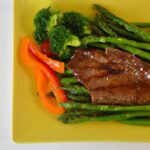
Present your steak on a warm plate garnished with a sprig of fresh thyme or rosemary for an herbal accent and a pop of vibrant green.Accompany with roasted garlic mashed potatoes or grilled seasonal vegetables to complement the steak’s bold heartiness. A drizzle of pan juices or a homemade chimichurri sauce can elevate flavors with a zesty kick. Don’t forget a glass of full-bodied red wine to accompany this savory masterpiece!

| Nutrient | Amount per Serving |
|---|---|
| Calories | 520 kcal |
| Protein | 46 g |
| Carbohydrates | 0 g |
| Fat | 38 g |
For further insights into meat selection and cooking techniques, visit our Ultimate Guide to Steak Cuts or explore expert recommendations on safe cooking temperatures at FoodSafety.gov.
Q&A
Q&A: The Perfect Medium Rare Steak – Juicy, Tender, and Savory
Q1: What exactly does “medium rare” mean when talking about steak?
A: medium rare is the golden middle ground of steak doneness-when the center is warm, vividly pink to light red, and juicy, with an internal temperature hovering around 130-135°F (54-57°C). it’s the sweet spot that balances tenderness and flavor, giving you a steak that’s succulent and full of savory goodness without being overcooked.
Q2: Why is medium rare considered the perfect way to cook a steak?
A: As it maximizes juiciness and flavor! Cooking steak medium rare allows the meat’s natural juices and fats to melt slightly, creating a tender texture and a rich, buttery taste. Overcooking can dry out the meat, while undercooking might leave it too raw or chewy. Medium rare hits the perfect harmony where the muscle fibers are gently relaxed but still bursting with flavor.
Q3: How do you achieve a perfect medium rare steak?
A: Start with a quality cut - ribeye, striploin, or filet mignon are favorites. Season generously with salt and pepper. Heat your pan, grill, or cast-iron skillet until screaming hot to get that beautiful crust. Cook the steak for about 3-4 minutes per side, depending on thickness, then check the internal temperature with a meat thermometer. Rest the steak for at least 5 minutes before slicing to let the juices redistribute.
Q4: Can you rely on visual cues alone to know when your steak is medium rare?
A: Visual cues can help-look for a warm pink center and a slight resistance when you press the steak with your finger-but they aren’t foolproof. The best way is to use an instant-read thermometer. Medium rare means about 130-135°F (54-57°C) internal temperature. Practice will sharpen your eye and touch, but a thermometer guarantees steak perfection.
Q5: What’s the secret to a steak’s juicy, savory flavor beyond cooking temperature?
A: It’s all in the marbling and the resting. Marbling-the intramuscular fat-melts during cooking, bastes the meat from inside, and creates deep savory notes.After cooking, resting your steak is crucial; it lets the juices settle rather than running out when you slice, ensuring every bite remains juicy and tender.
Q6: Can medium rare steaks be safe to eat?
A: Absolutely! The USDA recommends cooking steaks to a minimum internal temperature of 145°F for safety, but many chefs and steak lovers prefer medium rare for optimal taste. the risk with steaks is very low because harmful bacteria are generally found on the surface, which gets thoroughly seared during cooking. Always source your meat from reputable suppliers and practice good kitchen hygiene.
Q7: What sides and sauces complement a perfect medium rare steak?
A: Classic companions like garlic mashed potatoes, roasted vegetables, or a crisp arugula salad play beautifully off a medium rare steak’s richness. For sauces, think simple and fresh: a pat of herb butter, chimichurri, or a red wine reduction enhance without overpowering. The goal is to highlight the steak’s natural savoriness.
Q8: Is medium rare suitable for all types of steak cuts?
A: Most tender and premium cuts shine brightest at medium rare. However, tougher cuts like brisket or chuck benefit more from slow cooking to break down connective tissue. For steaks like flank or skirt, medium rare works but slicing thinly against the grain is essential. So yes-medium rare is king for premium steaks seeking that juicy, tender glory.
Craving the perfect medium rare steak now? Remember, it’s about quality ingredients, confident cooking, and a little patience-the reward is a juicy, tender, and savory masterpiece on your plate. Happy grilling!
In Summary
Mastering the art of the perfect medium rare steak is more than just a cooking skill-it’s a festivity of flavor, texture, and culinary precision. With its irresistibly juicy center, tender bite, and savory crust, this steak epitomizes the harmony between science and passion on your plate. Whether you’re a seasoned chef or an enthusiastic home cook, embracing thes techniques will elevate every steak night into a memorable feast. So fire up your grill, trust your instincts, and savor the delicious rewards of steak cooked just right-because perfection isn’t just a goal, it’s a delicious experience.