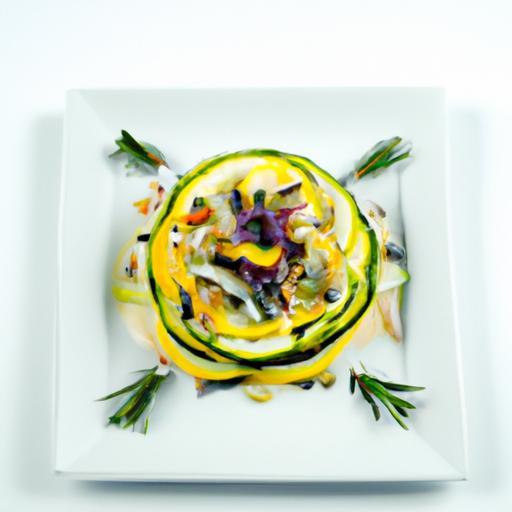

In a world increasingly attuned to health, sustainability, and innovation, the humble protein is undergoing a remarkable change. No longer confined to customary sources like meat and dairy, protein is sprouting from the soil in vibrant, plant-powered forms that promise to nourish both our bodies and the planet.Welcome to the era of plant-based proteins-a culinary revolution that’s reshaping what we eat,how we grow,and even how we think about food.In this article, we’ll explore the rise of these nutrient-packed powerhouses, uncover their benefits, and discover how they’re powering plates around the globe with flavor, purpose, and promise.
Powering your plate with plant-based proteins opens a world of vibrant flavors, textures, and nourishing benefits that can transform any meal into a culinary delight.This recipe showcases a harmonious blend of innovative plant proteins-like lentils, quinoa, and chickpeas-each bringing its unique texture and richness, creating a satisfying and balanced plate that fuels your body with essential nutrients.
Prep and Cook Time
- Planning: 15 minutes
- Cooking: 30 minutes
- Total Time: 45 minutes
Yield
Serves 4 hearty portions
Difficulty Level
Easy – perfect for beginners and seasoned cooks alike
Ingredients
- 1 cup cooked green lentils, rinsed and drained
- 1 cup cooked quinoa, fluffy and cooled
- 1 cup cooked chickpeas, lightly mashed
- 1 small red onion, finely diced
- 2 cloves garlic, minced
- 1/2 cup grated carrot, for natural sweetness and crunch
- 1/4 cup fresh cilantro, chopped
- 1 teaspoon ground cumin
- 1/2 teaspoon smoked paprika
- 1 tablespoon olive oil, plus extra for cooking
- Salt and freshly ground black pepper, to taste
- 1 tablespoon lemon juice or apple cider vinegar
- Optional: pinch of chili flakes for heat
Instructions
- Prepare the base: In a large bowl, combine the rinsed lentils, quinoa, and mashed chickpeas. This trio of plant proteins creates a hearty texture and depth of flavor.
- Sauté aromatics: Heat 1 tablespoon of olive oil in a skillet over medium heat. add the finely diced red onion and minced garlic. Sauté until fragrant and translucent, about 5 minutes, stirring occasionally to avoid burning.
- Add veggie crunch: Stir in the grated carrot and cook for another 2 minutes, allowing the natural sweetness to develop.
- Season thoughtfully: Transfer the sautéed mixture to the bowl with the lentils mixture. Add ground cumin, smoked paprika, lemon juice, salt, pepper, and chili flakes if using. Mix gently but thoroughly to combine all flavors.
- Bring herbs in: Fold in the chopped cilantro last to preserve its fresh brightness and vibrant color.
- Form and cook: Shape the mixture into patties about 3 inches wide. Heat a light drizzle of olive oil in a non-stick skillet over medium heat.Cook each patty for 4-5 minutes per side, until golden brown and slightly crispy.
- Final touch: Remove patties and place them on a paper towel-lined plate to absorb excess oil. Serve warm or at room temperature for optimal flavor.
Chef’s Notes
- Protein Boost: Add hemp seeds or pumpkin seeds to the mixture for an extra crunch and protein boost.
- Gluten-Free Tip: Use gluten-free oats or breadcrumbs if you need a binder.
- Freshen the Flavor: Swap cilantro with parsley or basil for different herbaceous notes.
- Make-Ahead: These patties keep beautifully in the fridge for up to 3 days and reheat well in a toaster oven to preserve crispness.
- Serving Versatility: Double the recipe to create a make-ahead batch for busy weeknight dinners or grab-and-go lunches.
Serving Suggestions
layer these savory patties on a whole grain bun with creamy avocado, crisp lettuce, and a zesty tahini sauce. Alternatively, serve atop a bed of fresh greens with a drizzle of lemon-tahini dressing and a sprinkle of toasted sesame seeds. For a colorful plate, accompany with roasted sweet potatoes and pickled red cabbage - this presentation not only looks stunning but balances earthy, creamy, and tangy flavors beautifully.

| Nutrient | Per Serving |
|---|---|
| Calories | 280 kcal |
| Protein | 15 g |
| Carbohydrates | 35 g |
| Fat | 6 g |
To deepen your insight on plant-based nutrition, visit the Harvard T.H. Chan School of Public Health plant-based diet guide. For further inspiration on meal ideas,check out our comprehensive plant-based meal plans to continue powering your plate with wholesome ingredients every day.
Q&A
Q&A: Powering Your Plate - The Rise of Plant-Based Proteins
Q1: What exactly are plant-based proteins, and why are they gaining so much attention?
A1: Plant-based proteins are proteins derived from plants such as beans, lentils, peas, nuts, seeds, and soy. Unlike animal proteins, they come without cholesterol and tend to be lower in saturated fats. Their spotlight is rising due to a combination of health benefits, environmental concerns, and ethical considerations. As more people seek sustainable and nutritious alternatives, plant proteins are becoming the go-to powerhouses on our plates.
Q2: How do plant-based proteins compare nutritionally to animal proteins?
A2: While animal proteins are considered “complete” proteins – meaning they contain all nine essential amino acids - many plant proteins are “incomplete” on their own. However, clever combinations like rice and beans or hummus with pita bread can create a complete amino acid profile.Plus, plant-based options frequently enough boast higher fiber content, antioxidants, andlower saturated fats, making them fantastic for heart health and digestion.
Q3: Are plant-based proteins suitable for athletes and highly active individuals?
A3: Absolutely! Athletes need sufficient protein to repair muscles and sustain energy, and plant proteins can deliver just that. Many plant-based protein powders now offer blends that include pea, rice, and hemp proteins to ensure all essential amino acids are covered. Plus, the added benefits of anti-inflammatory compounds and micronutrients support recovery and overall wellness.
Q4: What impact does choosing plant-based proteins have on the surroundings?
A4: The environmental footprint of plant-based proteins is substantially lighter than that of meat production. Growing plants requires less water, less land, and generates fewer greenhouse gases. By powering your plate with plants, you’re not just nourishing your body – you’re contributing to a healthier planet.
Q5: How can someone new to plant-based eating start incorporating these proteins into their diet?
A5: Great question! Start simple: swap out meat in favorite dishes for lentils, chickpeas, or tofu. experiment with plant-based protein-rich snacks like roasted chickpeas or nut butters. try incorporating beans into salads or stir-fries, and explore plant-based protein powders for smoothies. The key is curiosity and delicious experimentation!
Q6: What are some common myths about plant-based proteins that deserve debunking?
A6: one myth is that plant proteins are inferior or can’t support muscle growth. In reality, with mindful combinations and varied sources, they meet all protein needs. Another misconception is that plant-based diets lack flavor or variety-quite the opposite! The plant kingdom offers a colorful, textured, and flavorful palette that can easily energize any meal.
Q7: What does the future hold for plant-based protein innovation?
A7: The future is vibrant and exciting! Innovations like lab-grown plant proteins,enhanced protein extraction methods,and new hybrid products blending plant and microbial proteins are on the horizon. These advances promise more tasty, sustainable, and accessible options, making powering your plate with plants easier and more delicious than ever.
Powering your plate with plant-based proteins isn’t just a trend - it’s a nourishing journey toward health, sustainability, and culinary adventure.
In Retrospect
As the world reimagines the way we nourish ourselves, plant-based proteins are stepping into the spotlight-offering not just a meal, but a movement. From humble legumes to innovative meat alternatives, these plant-powered options are reshaping our plates and our planet’s future. Embracing this protein revolution means more than just a dietary choice; it’s a step toward sustainability, health, and culinary creativity. So next time you sit down to eat, consider powering your plate with plants-because the future tastes green, vibrant, and full of possibility.