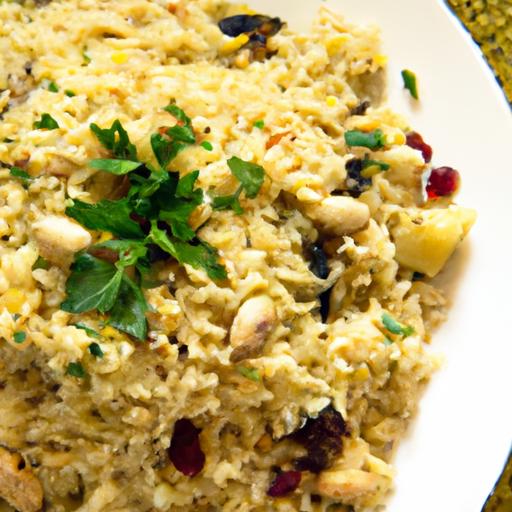

In the swirling steam of a perfectly cooked pilav lies centuries of culinary tradition,cultural exchange,and artful technique. often mistaken for a simple side dish, pilav is, in fact, a vibrant tapestry woven from fragrant grains, rich spices, and the hands of countless generations. From the royal courts of the Ottoman Empire to humble family kitchens across the globe, this timeless dish has carried stories of heritage and innovation alike. Join us as we uncover the fascinating history and subtle artistry behind pilav-a dish that transcends borders, inviting everyone to savor not just a meal, but a living legacy.
Pilav Uncovered: The Delightful Art and History of a Timeless Dish
Pilav Uncovered reveals the flavorful story of one of the world’s most beloved rice dishes-pilav. A party of culture, tradition, and flavor, pilav transcends borders, uniting continents through its fragrant grains and rich culinary heritage. Whether it’s served as a humble side or a star-studded main, mastering pilav unlocks a tapestry of history and taste that every home cook can appreciate.
Prep and Cook Time
- Preparation: 15 minutes
- Cooking: 30 minutes
- Total Time: 45 minutes
Yield
Serves 4 generously
Difficulty Level
Medium – perfect for cooks ready to elevate their rice game with conventional techniques
Ingredients
- 2 cups long-grain Basmati or Jasmine rice, rinsed and soaked 20 minutes
- 3 cups chicken or vegetable broth (warm)
- 2 tbsp unsalted butter or ghee
- 1 medium onion, finely chopped
- 2 cloves garlic, minced
- 1 tsp ground cumin
- 1/2 tsp ground cinnamon
- Salt to taste
- Black pepper freshly ground, to taste
- 1/4 cup slivered almonds or pine nuts, toasted (optional)
- Fresh herbs such as parsley or dill, chopped, for garnish
Instructions
- Prepare the rice: Rinse the rice under cold water until the water runs clear to remove excess starch.Soak for 20 minutes to promote even cooking and fluffiness.
- Sauté aromatics: in a heavy-bottomed pot over medium heat, melt butter or ghee. Add the finely chopped onion and sauté until translucent and soft, about 5 minutes. Add the minced garlic and sauté for an additional minute, releasing the fragrant oils.
- Toast the rice: Drain the soaked rice well. Add it to the pot and stir gently to coat every grain with butter and onion mixture. Toast the rice for 3-4 minutes until lightly golden, stirring occasionally to prevent sticking.This step enhances the nutty aroma and helps achieve that signature pilav texture.
- add spices and broth: Sprinkle in the cumin, cinnamon, salt, and pepper. Stir to evenly distribute the spices. Carefully pour in the warm broth,ensuring the rice is fully submerged. Turn heat to high and bring to a simmer.
- Cook covered: Once simmering, reduce the heat to low, cover tightly with a lid (a clean kitchen towel under the lid works wonders for soaking excess steam), and cook undisturbed for 15-20 minutes until all liquid is absorbed and rice is tender.
- Rest and fluff: Remove the pot from heat and let it rest, still covered, for 10 minutes. This allows the grains to firm up slightly and seperate. Using a fork, gently fluff the pilav to lift the grains without breaking them.
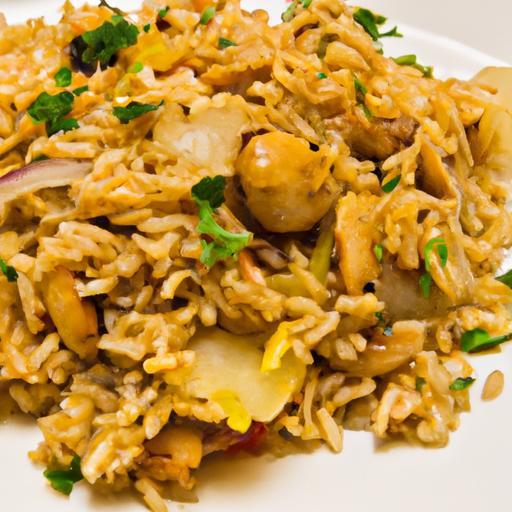
- Garnish and serve: Transfer to a serving dish and sprinkle toasted nuts and fresh herbs on top for visual appeal and an added layer of texture and flavor.
Tips for Success with Pilav Uncovered
- Rice choice matters: Using high-quality long-grain rice like Basmati or Jasmine ensures an ideal fluffy yet separate grain profile.
- Soaking is key: Don’t skip soaking! It hydrates grains evenly, reducing cooking time and preventing clumps.
- Control moisture: Use a tight-fitting lid and avoid lifting it during cooking to trap steam, crucial for pilav’s tender texture.
- Use homemade broth: For depth of flavor, homemade chicken or vegetable broth is the best base.
- Make ahead: Pilav keeps well for up to 2 days in the refrigerator. Reheat gently with a splash of broth to revive moisture.
- Experiment with spices: Try star anise, cardamom pods, or cloves to explore different regional versions.
Serving Suggestions
Pilav Uncovered shines when paired with vibrant sides and proteins.Serve alongside grilled lamb, roasted chicken, or hearty vegetable stews to soak up the fragrant rice. A dollop of creamy yogurt or a crisp cucumber salad adds refreshing contrast. Garnish liberally with fresh herbs and toasted nuts to create an inviting, restaurant-quality presentation right on your table.

| Nutrient | Per Serving |
|---|---|
| Calories | 310 kcal |
| Protein | 6 g |
| Carbohydrates | 55 g |
| Fat | 7 g |
For a deeper dive into the fascinating heritage of pilav variations across the globe, check out our exploration of regional pilav infusions.For more culinary history backed by expert insights, visit Britannica’s entry on pilaf.
Q&A
Q&A: Pilav Uncovered: The Delightful Art and History of a Timeless Dish
Q1: What exactly is pilav, and why is it considered timeless?
A: Pilav, at its heart, is a fragrant, saffron-hued rice dish cooked by gently simmering grains with broth, spices, and often an array of nuts, vegetables, or meats. Its timelessness lies in its simplicity paired with versatility – a canvas reflecting centuries of cultural fusion and culinary tradition across the Middle East,Central Asia,the Mediterranean,and beyond.
Q2: How far back does the history of pilav go?
A: Pilav’s roots stretch back thousands of years, with the earliest references dating to ancient Mesopotamia around 2300 BCE. Archaeological and literary evidence reveals pilav as a symbol of hospitality and celebration,evolving through empires – from Persian artisans to Ottoman royal kitchens – molding the dish into countless regional interpretations.
Q3: What distinguishes pilav from other rice dishes?
A: Unlike plain boiled rice, pilav is crafted through a meticulous technique where rice is first sautéed in butter or oil, coating each grain lovingly before bathing in rich broth. This method yields fluffy,separate grains infused with deep layers of flavor- a carpet upon which textures and tastes dance harmoniously.
Q4: Are there signature ingredients that define pilav?
A: While ingredients wildly vary by geography, staples often include aromatic spices like cinnamon, cardamom, and cloves; stock made from chicken, lamb, or vegetables; and embellishments such as toasted almonds, golden raisins, or silk threads of saffron.Each addition tells a story of local harvests and cultural tastes.
Q5: Can pilav be adapted to modern dietary trends?
A: Absolutely! pilav’s adaptability is one reason for its enduring popularity. Gluten-free, plant-based, or low-fat versions can easily be crafted by swapping broths, embracing quinoa or couscous as rice substitutes, and spotlighting seasonal produce-all without losing the soul of the dish.
Q6: What cultural role does pilav play today?
A: Beyond nourishment, pilav remains a symbol of community and celebration – served at weddings, religious festivals, and family gatherings.It carries stories across generations, connecting people through shared heritage and the simple joy of breaking bread together.
Q7: Any tips for cooking the perfect pilav at home?
A: Patience and precision are key. Rinse your rice to remove excess starch, toast the grains gently in fat to enhance aroma, and measure your broth carefully. Simmer on low heat without peeking too frequently enough, allowing steam to transform the rice into a tender, fluffy masterpiece. Finish with a sprinkle of fresh herbs or nuts for texture and elegance.
Q8: How does pilav reflect the broader history of human migration and exchange?
A: Pilav embodies culinary globalization long before the term existed. As traders, conquerors, and travelers moved along the Silk Road and beyond, they carried ingredients and cooking methods with them. The colorful tapestry of pilav variations-from Turkish to Persian to Indian pulao-mirrors the interconnectedness of cultures through the simple act of sharing a meal.
Pilav, then, is more than a dish-it is indeed a living testament to history, innovation, and the universal language of food.
Insights and Conclusions
as we close the lid on our culinary journey through the world of pilav, it’s clear that this humble dish is much more than just a combination of rice and spices. Pilav is a living tapestry-woven from threads of history, culture, and tradition-each grain telling a story passed down through generations. Whether enjoyed in a bustling bazaar or a quiet family table, pilav continues to embody the art of patience, balance, and harmony. So next time you savor a steaming plate of pilav, remember you’re tasting a timeless legacy, one that invites us all to explore not just flavors, but the very essence of connection through food.