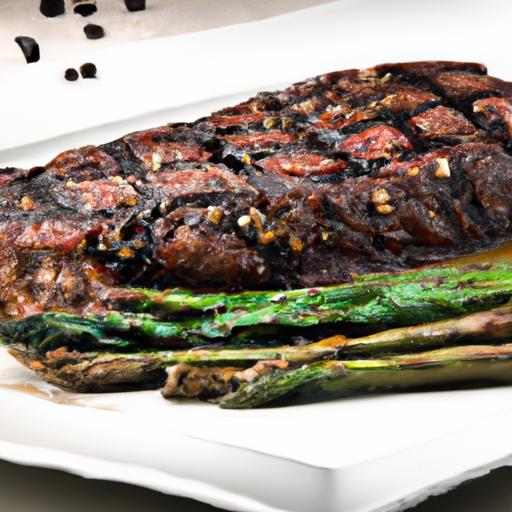

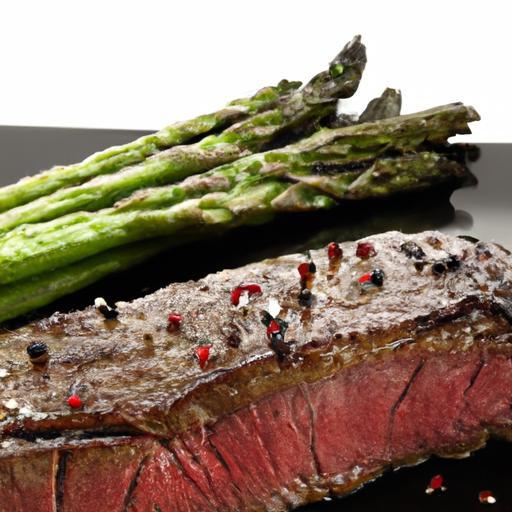
There’s a magical moment when a thick, ruby-red steak transforms into a sizzling masterpiece-its crust caramelized to perfection, the inside tender and succulent, juices pooling with every cut. Achieving that ideal balance between a flavorful sear and a juicy center isn’t just luck; it’s a delicate dance between art and science. From the Maillard reaction that paints the surface with golden-brown allure to the precise control of temperature that locks in moisture, crafting the perfect steak is an exploration of chemistry, technique, and intuition. In this article, we’ll journey through the culinary alchemy and scientific principles that elevate a simple slab of beef into a mouthwatering experience worthy of both gourmets and grill novices alike.
The Art and Science behind the Perfect Juicy Steak: Choosing the Ideal Cut for Maximum Flavor and Tenderness
The art and science behind the perfect juicy steak begins with selecting the right cut-a crucial step that defines every mouthwatering bite. Each cut offers its own unique balance of marbling, texture, and flavor, creating the foundation for a steak that’s tender, juicy, and bursting with flavor. Whether you’re drawn to a buttery ribeye, a lean and elegant filet mignon, or a robust New York strip, understanding the qualities of these cuts will transform your grilling or pan-searing experience into a culinary triumph.
Prep and Cook Time
- Preparation: 15 minutes
- marinating: 1 to 4 hours (optional but recommended)
- Cooking: 8 to 12 minutes (depending on thickness and desired doneness)
- Resting: 10 minutes
Yield
- serves 2 (approximately 8-ounce steaks)
Difficulty Level
- Medium
Ingredients
- 2 (8 oz) high-quality ribeye steaks, about 1 inch thick, trimmed of excess fat
- ¼ cup extra virgin olive oil
- 2 cloves garlic, smashed
- 1 tablespoon fresh rosemary, chopped (or 1 teaspoon dried)
- 1 tablespoon fresh thyme, chopped (or 1 teaspoon dried)
- 1 teaspoon coarse sea salt
- Freshly ground black pepper, to taste
- 2 tablespoons unsalted butter
- 1 teaspoon smoked paprika (optional for subtle depth)
Instructions
- Select the perfect cut. Choose steaks with good marbling-the white streaks of fat that melt during cooking, enriching every bite with juiciness.
- Prepare the marinade. in a bowl, whisk together olive oil, smashed garlic, chopped rosemary, thyme, smoked paprika, salt, and freshly ground pepper. This fragrant blend enhances flavor while subtly tenderizing the steak.
- Marinate. Coat steaks generously with the marinade, cover, and refrigerate for 1-4 hours. For ultimate juiciness, avoid marinating more than 6 hours to prevent overpowering flavors.
- Bring to room temperature. Remove steaks from the fridge 30 minutes before cooking to ensure even heat penetration.
- Preheat your cooking surface. Whether opting for a cast-iron skillet or grill, heat until smoking hot to seal in juices instantly.
- Cook the steak. Place steaks carefully on the hot surface. Sear without moving for 3-4 minutes per side for medium-rare, adjusting time for your desired doneness. Flip only once to preserve the crust.
- Finish with butter basting. Add butter to the pan,spooning it over the steaks as they cook their final minute-this enriches flavor and adds a silky finish.
- Rest thoroughly. Transfer steaks to a warm plate, tent loosely with foil, and rest for 10 minutes. This crucial step lets fibers relax, locking in every drop of juice.
- Carve with care. Slice against the grain in smooth, deliberate strokes to maximize tenderness and reveal the juicy interior.
Tips for Success: Mastering the Marinade Matrix
- Balance acidity and oils. Marinades blending olive oil with a splash of acidic elements (like lemon juice or balsamic) enhance tenderness without compromising the steak’s natural flavor.
- Don’t over-marinate. Overworking the meat with salty or acidic marinades can make it overly soft or mushy-aim for moderate marinating times.
- Use fresh herbs. Fresh rosemary and thyme release essential oils during cooking, infusing the steak with an irresistible aroma.
- Resting is non-negotiable. Skipping rest leads to dry steak-allowing juices to redistribute is the secret weapon behind every perfectly juicy cut.
Serving Suggestions: Presentation That Elevates the Experience
Serve your steak on a warm plate garnished with a sprig of fresh rosemary and a pat of herb-infused compound butter. Accompany with roasted garlic mashed potatoes and charred asparagus for a classic, elegant plate. A light drizzle of aged balsamic glaze over the steak adds a stunning sheen and a whisper of sweet acidity that complements the richness. Pair with a robust red wine like Cabernet Sauvignon for a complete sensory party.

| Nutrient | Per Serving (1 steak) |
|---|---|
| Calories | 620 kcal |
| Protein | 55 g |
| Carbohydrates | 2 g |
| Fat | 45 g |
For more insights on selecting prime beef cuts and expert steak techniques, visit our Guide to Beef Cuts. To deepen your understanding of meat science, check the detailed data provided by USDA Meat Quality Standards.
Q&A
Q&A: The Art and Science Behind the Perfect Juicy Steak
Q1: What exactly makes a steak perfectly juicy?
A1: Juiciness in steak comes down to the balance of moisture retention and fat content. when cooked right, the muscle fibers contract just enough to keep the natural juices sealed inside rather than oozing out. Marbling-the intramuscular fat-melts during cooking, basting the meat from within and enhancing that mouthwatering succulence.
Q2: How does the cut of steak influence its juiciness?
A2: Different cuts offer different textures and fat distributions. Ribeye, known for its heavy marbling, is naturally juicy and flavorful, while leaner cuts like filet mignon rely more on precise cooking to stay tender and moist. Understanding your cut helps you tailor techniques to coax out maximum juiciness.
Q3: Why is resting the steak after cooking so important?
A3: Think of cooking as a muscle workout-heat causes the fibers to tighten and squeeze out juices. Resting lets the meat relax, allowing those juices to redistribute evenly instead of spilling out the moment you slice. A good rest of 5-10 minutes can transform a dry steak into a juicy delight.
Q4: Does the cooking method affect the steak’s moisture?
A4: absolutely! High-heat methods like grilling or pan-searing create a caramelized crust quickly,locking in juices,while slow-cooking can sometimes dry out lean cuts if not monitored. The perfect juicy steak often involves a balance: a hot sear to develop flavor and a brief, controlled finish to maintain moisture.
Q5: How does seasoning impact the juiciness of a steak?
A5: Salt is a secret weapon-it draws out moisture initially but then reabsorbs it,seasoning the meat internally and enhancing tenderness. Waiting 40 minutes after salting before cooking lets this process work its magic. Herbs and spices add flavor, but salt’s role in juiciness is truly the star.
Q6: Can science explain why a medium-rare steak is juicier than one cooked well-done?
A6: Yes! Medium-rare steaks reach an internal temperature around 130-135°F (54-57°C), where proteins have just tightened enough to hold juices in but not so much that they squeeze them out. Well-done steaks reach temperatures where proteins contract extensively, forcing moisture out and resulting in dryness.
Q7: Are there any tricks to enhance juiciness beyond cooking technique?
A7: Marinating can help by introducing moisture and tenderizing enzymes, tho too acidic can break down meat excessively. Dry-aging intensifies flavor and improves texture by concentrating natural juices. Even the cattle’s diet and breed contribute to how juicy the final steak will be.
Q8: what’s the ultimate takeaway for steak lovers chasing that juicy perfection?
A8: Mastering the perfect steak is a dance of art and science-knowing your cut,seasoning it well,applying the right heat,and giving it proper rest. Treat your steak with respect and patience, and you’ll unlock a juicy, flavorful experience worth savoring bite after bite.
To Conclude
crafting the perfect juicy steak is both an art and a science-a delicate dance between intuition and precise technique.From selecting the ideal cut and seasoning it just right,to mastering timing and temperature,each step plays a crucial role in unlocking those rich,succulent flavors we crave. Whether you’re a seasoned grill master or an enthusiastic beginner, understanding the blend of chemistry and craftsmanship elevates every bite into a memorable experience. So next time you hear that satisfying sizzle,remember: behind that mouthwatering steak lies a world of knowlege waiting to be savored.