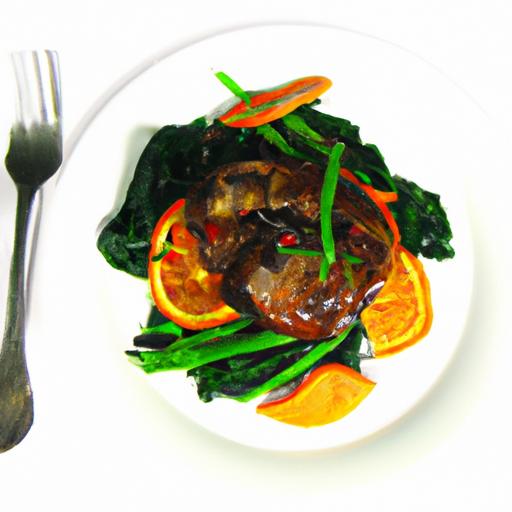

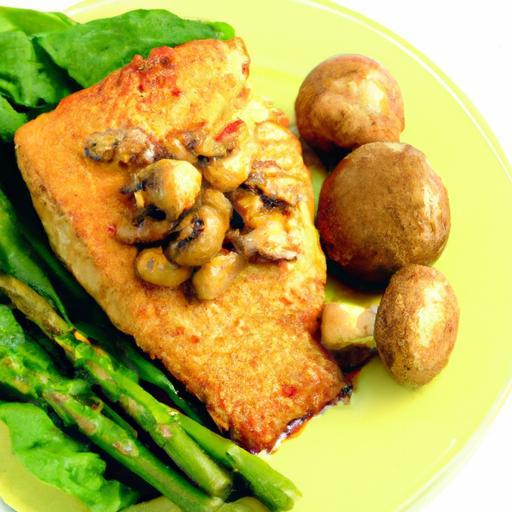
Step back in time and rediscover the flavors that shaped the foundation of human nourishment with Savor the Past: Ultimate Guide to Paleo Food Recipes. in a world brimming with ultra-processed meals and fast-food convenience,the Paleo diet invites us to return to nature’s original bounty-wholesome,unrefined,and packed with life-sustaining nutrients. This guide unearths the secrets of our ancestors’ plates, offering you vibrant, mouthwatering recipes that honor the simplicity and richness of prehistoric eating.Whether you’re a seasoned Paleo enthusiast or just beginning to explore this timeless approach to food, prepare to embark on a culinary journey that reconnects body, mind, and palate to the primal roots of health and vitality.
Savor the Past: Ultimate Guide to Paleo Food recipes invites you on a culinary journey where ancient flavors come alive with every bite. This dish, inspired by time-honored traditions and nutrient-dense ingredients, emphasizes the beauty of cooking with seasonal produce and unlocking the power of whole foods. Whether you’re a seasoned paleo enthusiast or just beginning to explore this lifestyle, you’ll find this recipe approachable and packed with vibrant textures and rich aromas that evoke the essence of our ancestors’ meals.
Prep and Cook Time
Preparation: 15 minutes | Cooking: 30 minutes | Total Time: 45 minutes
yield
Serves 4 hearty portions
Difficulty Level
Medium – perfect for cooks ready to embrace paleo cooking techniques without complexity
Ingredients
- 2 lbs organic grass-fed beef chuck, cut into 1-inch cubes
- 3 tbsp extra virgin olive oil
- 1 large sweet onion, finely chopped
- 4 cloves garlic, minced
- 2 large carrots, peeled and diced
- 2 stalks celery, diced
- 1 small butternut squash, peeled and cubed (about 3 cups)
- 1 cup dry red wine (optional, can substitute with bone broth)
- 3 cups homemade beef bone broth
- 1 tbsp tomato paste
- 1 tsp dried rosemary
- 1 tsp dried thyme
- 2 bay leaves
- Salt & freshly ground black pepper to taste
- Fresh parsley, chopped, for garnish
Instructions
- Heat 2 tbsp olive oil in a heavy-bottomed pot over medium-high heat. Pat the beef cubes dry with paper towels, then season liberally with salt and pepper. Brown the beef in batches, ensuring a golden crust forms on all sides, about 4-5 minutes per batch.Remove and set aside.
- Reduce heat to medium, add the remaining 1 tbsp olive oil, then sauté the onion until translucent, about 5 minutes. Stir in the garlic and cook for another 1 minute, releasing fragrant oils.
- Add the carrots, celery, and butternut squash to the pot. Stir frequently, cooking until vegetables begin to soften, about 7 minutes.
- Deglaze the pot with the red wine or bone broth,scraping up browned bits from the bottom-this step intensifies the depth of flavor.
- Return the browned beef to the pot. Stir in tomato paste, dried rosemary, thyme, bay leaves, and pour in the bone broth. Bring to a gentle simmer.
- Cover and cook on low heat for 25-30 minutes, or until the beef is tender and the flavors meld beautifully. Stir occasionally to prevent sticking.
- Remove the bay leaves. taste and adjust seasoning with additional salt and pepper if needed.
- Plate warm, garnish generously with fresh chopped parsley, and serve instantly.
Tips for Success
- Sear in batches for the best Maillard reaction, which develops that rich, savory flavor classic to paleo stews.
- Use homemade bone broth for maximum nutrient density and a robust flavor base.
- Butternut squash adds natural sweetness-feel free to swap with pumpkin or sweet potato depending on the season.
- Make this stew in a slow cooker by combining all ingredients and cooking on low for 6-8 hours.
- For an extra nutrient boost, stir in a handful of fresh kale or spinach during the last 5 minutes of cooking.
Serving Suggestions
This hearty paleo stew shines when served atop a bed of cauliflower rice or alongside lightly steamed seasonal greens like broccolini or sautéed Swiss chard. Garnish with slivers of fresh rosemary or a drizzle of high-quality olive oil for a glossy finish.A rustic paleo bread (almond or cassava flour-based) makes an ideal accompaniment for soaking up every rich bite.

Nutritional Details
| Nutrient | Per Serving |
|---|---|
| Calories | 450 kcal |
| Protein | 38 g |
| Carbohydrates | 20 g |
| Fat | 22 g |
| Fiber | 5 g |
For more paleo-kind recipes that celebrate seasonal ingredients, explore our Seasonal Paleo Recipes Collection. Delve deeper into the science of nutrient-dense eating with this comprehensive study on ancestral diets and modern nutrition.
Q&A
Q&A: Savor the past – Ultimate Guide to paleo Food Recipes
Q1: What exactly is the Paleo diet, and why has it become so popular?
A1: The Paleo diet is a nutritional approach inspired by the eating habits of our Paleolithic ancestors.It emphasizes whole, unprocessed foods like lean meats, fish, fruits, vegetables, nuts, and seeds-basically, anything our hunter-gatherer forebears could forage or hunt. Its popularity stems from its focus on natural ingredients, avoidance of processed foods, and potential benefits like improved digestion, sustained energy, and weight management. It’s a delicious way to reconnect with nature’s original pantry!
Q2: How can Paleo recipes help someone new to the diet?
A2: Paleo recipes serve as a roadmap, guiding newcomers through the sometimes overwhelming world of grain-free, dairy-free, and sugar-free cooking. These recipes are crafted to be accessible and flavorful, showcasing how versatile and satisfying eating Paleo can be. They demystify meal prep, introduce creative ingredient swaps, and prove that you don’t sacrifice taste or variety when savoring the past.
Q3: What are some must-have ingredients in a Paleo kitchen?
A3: To embark on a Paleo culinary adventure, stock up on staples like grass-fed meats, wild-caught fish, fresh seasonal veggies, vibrant fruits, raw nuts and seeds, coconut oil, olive oil, and natural herbs and spices.These ingredients form the vibrant palette from which all Paleo masterpieces are painted-ensuring meals are both nourishing and bursting with natural flavor.
Q4: Can you share a simple Paleo recipe that everyone should try?
A4: Absolutely! One fan-favorite is the “Savory Sweet potato Hash.” Start with diced sweet potatoes sautéed in coconut oil until golden, toss in chopped bell peppers, onions, and spinach, then add crumbled cooked sausage or shredded chicken. Season with smoked paprika, garlic powder, salt, and pepper. Finish with a sprinkle of fresh herbs. It’s a hearty, colorful dish that’s perfect for breakfast, lunch, or dinner-and a perfect example of savoring wholesome, ancestral flavors.
Q5: How does cooking Paleo food connect us with our ancestors?
A5: Preparing Paleo food is like time-traveling on a fork. It reconnects us with the rhythms and rituals of ancient humans who thrived on the land’s natural bounty. Cooking with simple, fresh ingredients and avoiding modern processed additives invites us to slow down, appreciate food’s origins, and honor the wisdom embedded in prehistoric diets. In every bite, there’s a story millions of years in the making.
Q6: Is the Paleo lifestyle enduring long-term?
A6: Sustainability depends on versatility and balance.Paleo encourages eating natural, nutrient-dense foods, which can lead to long-term health benefits.Many practitioners adopt a “Paleo-inspired” lifestyle, incorporating occasional non-Paleo foods for social ease or personal preference. The key is listening to your body,sourcing quality ingredients responsibly,and savoring each meal with gratitude-making the past a delicious part of your present and future.
Q7: Where can I find more Paleo recipes and tips to keep my culinary journey exciting?
A7: Dive into cookbooks dedicated to Paleo cuisine, explore vibrant food blogs, join online communities, or follow social media accounts run by passionate Paleo chefs and nutritionists. Experimentation is the spice of this journey-try new protein sources, seasonal vegetables, and creative cooking techniques.The ultimate guide isn’t just a book; it’s your ongoing adventure in rediscovering food’s primal essence.
Future outlook
As we close the chapter on this flavorful journey through time, remember that embracing paleo recipes is more than a diet-it’s a celebration of nature’s original pantry. By savoring the past, you reconnect with the nourishing simplicity and rich textures that our ancestors thrived on. Whether you’re a seasoned paleo enthusiast or just beginning to explore, these recipes offer a gateway to vibrant health and timeless taste.So sharpen your knives, fire up your stove, and let every bite transport you back to the roots of wholesome eating-where every meal tells a story of survival, sustenance, and the enduring joy of good food.