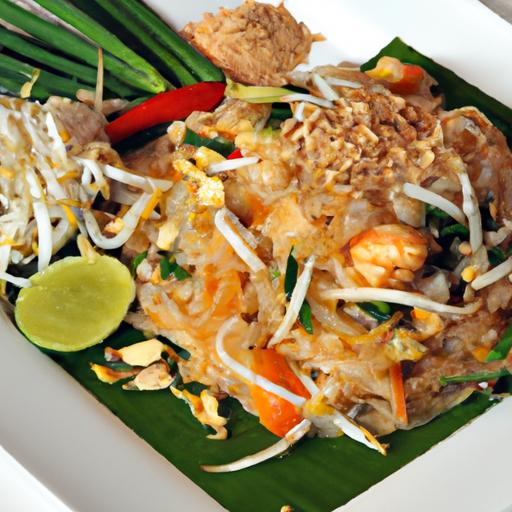

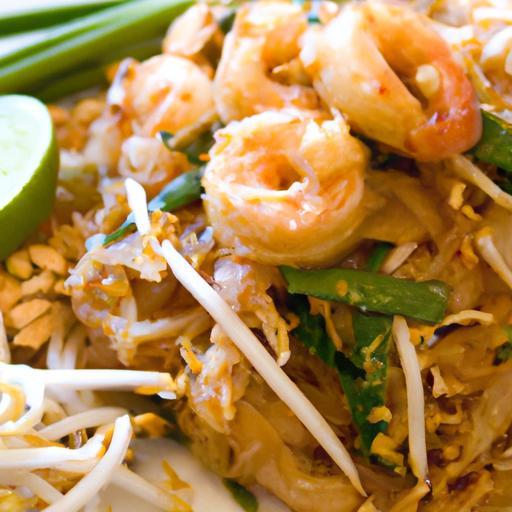
Beneath the vibrant streetlights of bustling Bangkok, where sizzling woks and fragrant markets paint a sensory tapestry, one dish reigns supreme: Pad Thai. Frequently enough served with a squeeze of lime and a sprinkle of crushed peanuts, this iconic noodle dish is more than just a meal-it’s a flavorful emblem of Thailand’s rich culinary heritage. But how did Pad Thai rise from humble street food to global fame? In this article, we’ll unwrap the savory layers of history, culture, and taste that have made Pad Thai a beloved staple on tables worldwide, inviting you to savor the story behind every tangy, sweet, and spicy bite.
Pad Thai unwrapped illuminates the rich history and intricate flavors behind one of Thailand’s most beloved dishes. This iconic stir-fried noodle delicacy not only tantalizes the palate but tells a story of cultural fusion, national pride, and culinary mastery that spans generations.Whether enjoyed street-side in Bangkok or recreated in a home kitchen miles away, the essence of Pad Thai remains a flavorful journey worth savoring.
Prep and Cook Time
Readiness: 15 minutes | Cooking: 10 minutes | Total: 25 minutes
Yield
Serves 4 hearty portions
Difficulty level
Medium – ideal for cooks with some stove confidence who are excited to master balancing bold flavors.
Key Ingredients That Define the Authentic Taste
- 8 oz (225g) dried rice noodles (medium-width,soaked until pliable but firm)
- 2 tablespoons tamarind paste (provides signature tang)
- 3 tablespoons fish sauce (the essential umami backbone)
- 1-2 tablespoons palm sugar (for sweetness and caramel notes)
- 2 cloves garlic (finely minced)
- 2 large eggs
- 5 oz (140g) firm tofu (pressed and cubed)
- 1 cup mung bean sprouts
- 1/2 cup crushed roasted peanuts
- 2 green onions (sliced diagonally)
- 1 lime,cut into wedges
- 2 tablespoons vegetable oil (neutral-flavored for stir-frying)
- Red chili flakes,to taste (optional for heat)
- Fresh cilantro and Thai basil (for garnish)
Mastering the Art of Balancing Flavors and Textures
The magic of Pad Thai Unwrapped lies in its intricate harmony: the sour brightness from tamarind,the deep saltiness of fish sauce,the caramel sweetness of palm sugar,and the heat from chili flakes. Each bite is a dance between chewy noodles, crunchy peanuts and sprouts, silky scrambled eggs, and crisp-tender tofu. Achieving this perfect balance requires precision and timing-too much tamarind overwhelms, too little loses authenticity. Textural contrast is equally essential; soggy noodles or wilted sprouts dilute the experience.
Instructions
- Prepare the noodles: soak the dried rice noodles in warm water for 20-30 minutes until pliable but still slightly firm. Drain and set aside.
- Mix the sauce: In a small bowl, combine tamarind paste, fish sauce, and palm sugar until sugar dissolves. Adjust sweetness and tang to taste – this is the flavor foundation.
- Cook tofu: Heat 1 tablespoon vegetable oil in a large wok over medium-high heat. Add cubed tofu and sauté until golden brown on all sides,about 5 minutes. Remove and set aside.
- Sauté aromatics and eggs: Add remaining oil and garlic to the wok; cook until fragrant, about 30 seconds.Push garlic to one side, crack in eggs, scramble lightly until just cooked but still tender.
- Stir-fry noodles: Add drained noodles and pour in prepared sauce. Toss vigorously with spatulas to coat noodles evenly. Cook 2-3 minutes until sauce reduces slightly and noodles soften fully, being careful not to overcook.
- Incorporate proteins and veggies: Return tofu to the wok along with mung bean sprouts and green onions. Toss gently for 1 more minute; sprouts should remain crisp.
- Final touches: transfer to plates and sprinkle with crushed peanuts, fresh cilantro, Thai basil, and chili flakes. Serve promptly with lime wedges to squeeze over.
Tips and Tricks for Making Perfect Pad Thai at home
- Use medium-width dried rice noodles for authentic texture; avoid fresh unless you can steam them properly.
- Sauces: Adjust tamarind, fish sauce, and palm sugar ratios gradually to match palate and ingredient potency-tamarind pastes vary widely.
- Keep a wok or skillet very hot during cooking for quick, even stir-frying that preserves texture.
- Don’t over-soak noodles; they should retain some firmness to avoid mushiness after stir-frying.
- Prep all ingredients beforehand: Pad Thai cooks fast-having each component ready ensures smooth execution.
- For a vegetarian version, substitute fish sauce with soy sauce or tamari mixed with a dash of seaweed broth for umami.
- Leftovers lose texture quickly; best consumed fresh but can be gently reheated in a hot pan with a splash of water or oil.
Serving Suggestions
Present the dish on a large, flat plate to showcase the colorful ingredients and allow easy mixing. Garnish with fresh lime wedges, a sprinkling of crushed peanuts, and a handful of crisp bean sprouts. Pair Pad Thai Unwrapped with a light,chilled Thai iced tea or jasmine rice for a complete meal. Serve alongside a simple cucumber salad to balance the rich, bold flavors.
| Nutrient | per Serving |
|---|---|
| Calories | 410 kcal |
| Protein | 18 g |
| Carbohydrates | 52 g |
| Fat | 12 g |

Discover the nuances of this beloved dish and bring a taste of Thailand’s culinary heritage directly into your kitchen with confidence and flair.
For more classic Thai recipes, explore our Thai Cuisine Classics collection.
Q&A
Q&A: Pad Thai Unwrapped: The Flavorful Story Behind Thailand’s Iconic Dish
Q1: What makes Pad Thai so iconic in Thai cuisine?
A1: Pad Thai is much more than just a noodle dish-it’s a harmonious symphony of sweet, sour, salty, and umami flavors that perfectly represent the Thai culinary beliefs. Its iconic status stems from its widespread popularity both within Thailand and internationally, symbolizing the country’s vibrant street food culture and the ingenuity of simple ingredients transformed into a culinary masterpiece.
Q2: where did Pad Thai originate?
A2: Pad Thai’s roots trace back to the mid-20th century, during a period when the Thai government promoted nationalism through cuisine. Street vendors crafted this stir-fried noodle dish as a quick, affordable, and delicious meal packed with local flavors, perfect for the bustling urban streets. It evolved as a fusion of Chinese stir-fry techniques and distinctly Thai ingredients.
Q3: What are the essential ingredients in a conventional Pad Thai?
A3: At its core, Pad Thai is a delicate balance of rice noodles, eggs, tofu, tamarind paste, fish sauce, palm sugar, and dried shrimp, all tossed together with crunchy peanuts and a squeeze of fresh lime. Bean sprouts and fresh chives add brightness, while optional proteins like shrimp or chicken elevate its hearty appeal.
Q4: How does the flavor profile of Pad Thai reflect Thai culinary culture?
A4: Thai cuisine is renowned for layering contrasting tastes that complement each other, creating a flavorful dance on the palate.Pad Thai embodies this philosophy-tangy tamarind meets the sweetness of palm sugar,the saltiness of fish sauce balances the earthiness of peanuts,and the heat from chili flakes adds a spirited kick. Each bite tells a story of balance and harmony.
Q5: How has Pad Thai adapted as it gained global popularity?
A5: As Pad Thai journeyed beyond Thailand’s borders,it embraced local tastes and ingredient availability,resulting in variations that include chicken,tofu,beef,or even vegetarian and vegan versions. Some Western versions add more sugar or peanuts, while others incorporate additional veggies or sauces, but at its heart, Pad Thai remains a dish celebrating sensory balance.
Q6: Why is Pad thai often considered a perfect street food?
A6: quick to prepare and satisfying to eat, Pad Thai’s bold flavors and comforting textures make it ideal for the bustling street food scene. Its portability, affordability, and consistent taste allow it to thrive amid the sensory chaos of Thailand’s markets, capturing the essence of the nation’s culinary soul in a single plate.
Q7: Can making Pad Thai at home capture the same magic as from a street vendor?
A7: Absolutely! While the sizzling sounds and smoky aromas of street-side woks are hard to replicate, mastering the foundational ingredients and timing at home unlocks the same flavorful magic. Experimenting with the tamarind-to-sugar ratio or toasting peanuts perfectly can bring you tantalizingly close to the authentic experience-right from your kitchen.
Q8: What cultural importance does pad Thai hold in Thailand today?
A8: Beyond being a beloved everyday dish, Pad Thai embodies national pride and cultural identity. it’s a culinary ambassador that tells Thailand’s story through every slurp-melding history, tradition, and the vibrant energy of its people.Whether devoured by locals or enjoyed by travelers, Pad Thai connects hearts and appetites across the globe.
The Way Forward
As the final bite of pad Thai lingers on your palate, its story unfolds-a vibrant tapestry woven from culinary tradition, cultural fusion, and centuries of flavor evolution. more than just a dish, Pad Thai is Thailand’s edible emblem, inviting you to taste history with every forkful.So next time you savor those tangy tamarind notes or the crunch of fresh peanuts, remember: you’re not just enjoying a meal-you’re partaking in a timeless journey that continues to inspire and delight around the world. Pad Thai, unwrapped, is truly a flavorful celebration of thailand’s rich heritage, served on a simple plate.