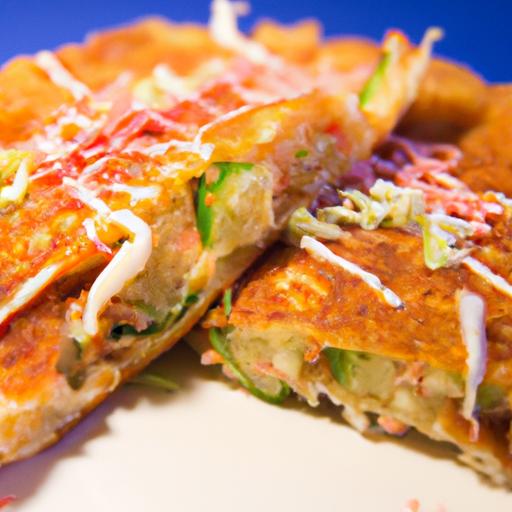

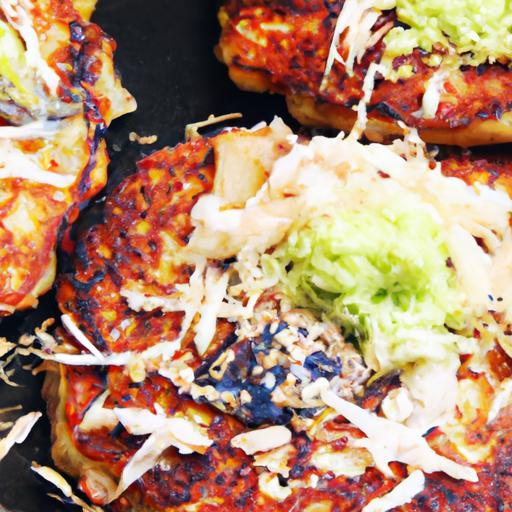
Beneath the sizzling griddles of Japan’s bustling street markets and cozy kitchens lies a culinary treasure that champions both simplicity and indulgence: okonomiyaki.Often dubbed as a savory cabbage pancake, this beloved dish is far more than just a comfort food-it’s a vibrant canvas of flavors, textures, and regional pride. From the crispy golden crust to the tender, veggie-packed interior, okonomiyaki invites food lovers on a flavorful journey through Japan’s rich culinary tapestry.In this article, we’ll unwrap the story behind this savory delight, exploring its origins, regional variations, and the art of crafting the perfect pancake that’s as customizable as its name suggests-“okonomi,” meaning “what you like.” Get ready to savor every bite of Japan’s savory cabbage pancake phenomenon.
Okonomiyaki Unwrapped: Japan’s Savory Cabbage Pancake Delight embodies a culinary journey that combines tradition, regional flair, and a vibrant palette of flavors. From the bustling streets of Osaka to the seaside charm of Hiroshima, this layered, savory pancake invites both novice cooks and seasoned food lovers to explore its irresistible texture and complex taste. My first encounter with okonomiyaki was an unforgettable evening in Kansai, where the sizzling griddle and the mingling aromas of cabbage and dashi instantly captured the essence of home-cooked comfort fused with street food excitement.
Prep and Cook time
- Preparation: 15 minutes
- cooking: 20 minutes
- Total Time: 35 minutes
Yield
Serves 4 generous portions
Difficulty Level
Medium – Requires attentive flipping and timing for perfect texture
Ingredients
- 2 cups finely shredded green cabbage (about half a medium head)
- 1 cup all-purpose flour, sifted
- 3/4 cup dashi stock (or water with a dash of soy sauce)
- 2 large eggs
- 4 green onions, thinly sliced
- 4 strips of thick-cut pork belly (or bacon)
- 1/4 cup tenkasu (tempura scraps) – optional but recommended for crunch
- Pickled ginger (beni shoga), 2 tbsp, chopped
- Vegetable oil for frying
- Okonomiyaki sauce (store-bought or homemade)
- Japanese mayonnaise
- Aonori (dried seaweed flakes), for garnish
- Katsuobushi (bonito flakes), for garnish
Instructions
- prepare the batter: In a large mixing bowl, whisk together the all-purpose flour and dashi stock until smooth and slightly runny.
- Incorporate eggs: Crack the eggs into the batter and mix gently until just combined, preserving some airiness for softness.
- Add the cabbage, green onions, tenkasu, and pickled ginger: Fold these into the batter, ensuring every strand of cabbage is coated, which creates the signature texture.
- Heat your skillet or griddle: Over medium heat, add a tablespoon of vegetable oil and spread evenly to avoid sticking.
- Pour and shape: Scoop a generous ladleful of the mixture onto the griddle, shaping it into a circular pancake approximately 6 inches in diameter and about 1-inch thick.
- Arrange pork belly strips: Lay the pork belly strips over the top of the pancake, pressing them gently so they adhere during cooking.
- Cook the first side: Allow the pancake to cook undisturbed for 5 to 6 minutes until the bottom forms a golden, crispy crust.
- Flip carefully: Using a wide spatula, flip the okonomiyaki to cook the pork side down, then press lightly to cook the pork and pancake evenly.
- Cover and cook: Lower the heat slightly and cover with a lid or large bowl for 5 more minutes to ensure the center cooks through without burning the outside.
- Final flip and finish: Flip the pancake one last time to crisp up the pork belly and cook for an additional 2 minutes. Adjust heat as needed to prevent scorching.
- Plate and dress: Transfer to a serving plate. Generously brush with okonomiyaki sauce and drizzle with Japanese mayonnaise in decorative zigzags.
- Garnish: Sprinkle with aonori and scatter katsuobushi on top; watch them dance from the residual heat, adding an irresistible umami finish.
Tips for Success
- Balance moisture: Too wet a batter can be tough to flip; if your cabbage is extra juicy,gently squeeze excess water before mixing.
- Alternative proteins: Try substituting pork belly with seafood like shrimp or squid for a Hiroshima-style twist.
- Make-ahead: Mix the shredded cabbage and batter in advance, refrigerate up to 2 hours, then cook fresh to preserve texture.
- Crisp perfection: For a firmer crust,cook a little longer on each side but watch carefully to avoid burning.
- Custom toppings: From mochi cubes to cheddar cheese, don’t hesitate to add your favourite ingredients to elevate your personalized pancake.
Serving Suggestions
Serve okonomiyaki piping hot straight from the griddle for optimal texture. Accompany with a chilled glass of Japanese lager or a crisp sparkling sake for refreshment. Present alongside simple steamed edamame or a light cucumber sunomono salad to balance the richness. For an extra festive touch, sprinkle a handful of toasted sesame seeds or finely chopped shiso leaves to add a burst of herbal freshness and subtle crunch.

| Nutrient | Per Serving |
|---|---|
| Calories | 380 kcal |
| protein | 18 g |
| Carbohydrates | 35 g |
| Fat | 16 g |
As you master this recipe,consider exploring the rich varieties of Japanese pancakes to deepen your appreciation for regional ingredients. For more insight on authentic dashi stock, visit Just One Cookbook’s guide to dashi,a fantastic resource to boost your umami foundations.
Q&A
Q&A: Okonomiyaki Unwrapped – Japan’s Savory Cabbage Pancake Delight
Q1: What exactly is okonomiyaki?
A1: Imagine a hearty, savory pancake bursting with flavor, packed with shredded cabbage and a variety of fillings-this is okonomiyaki. The name literally means “grilled as you like it,” reflecting its customizable nature. It’s a beloved Japanese street food and comfort dish, often topped with a luscious sauce, mayo, bonito flakes, and seaweed powder.
Q2: Where did okonomiyaki originate?
A2: okonomiyaki’s roots trace back to post-World War II Japan, especially in the Kansai (Osaka) and Hiroshima regions. Each area has its own spin: Osaka-style mixes all ingredients into the batter, while Hiroshima-style layers them like a savory pancake lasagna. Both versions celebrate local ingredients and cooking traditions.
Q3: What are the main ingredients?
A3: At its core, okonomiyaki features shredded cabbage, flour, eggs, and dashi stock. Beyond that, it’s a playground for flavors-pork belly slices, shrimp, squid, green onions, and even cheese or mochi can join the mix.The toppings are equally iconic: tangy okonomiyaki sauce, creamy japanese mayo, katsuobushi (bonito flakes), and aonori (green seaweed flakes).
Q4: How is okonomiyaki cooked?
A4: Traditionally,okonomiyaki is griddled on a hot teppan or flat pan. the batter is poured out and shaped, then layered or mixed with ingredients as it cooks. The magic happens with the crispy, golden crust forming on the outside while the inside steams to tender, melt-in-your-mouth perfection.
Q5: Why is okonomiyaki so popular in Japan?
A5: Its appeal lies in its versatility and communal spirit. Okonomiyaki can be customized endlessly, satisfying meat lovers, seafood fans, and vegetarians alike. Plus, it’s a social dish-frequently enough cooked at the table with friends or family, turning mealtime into a fun, interactive experience.
Q6: Can I make okonomiyaki at home?
A6: Absolutely! While the traditional teppan is ideal, a non-stick skillet works just fine. Start with shredded cabbage, your choice of fillings, and the batter. Experiment with toppings and sauces to find your perfect combination. Don’t forget to flip carefully to keep that beautiful golden crust!
Q7: What’s the best way to enjoy okonomiyaki?
A7: Dive in hot off the griddle for the ultimate taste and texture. Each bite offers crunch,softness,umami,and a subtle sweetness from the sauce. Pair it with chilled sake or a cold beer for the full Japanese street-food feast experience.
Q8: Are ther variations beyond Osaka and Hiroshima styles?
A8: Definitely! From the Negiyaki (green onion pancake) of Kansai to regional twists featuring unique ingredients like natto or cheese, okonomiyaki is a canvas for culinary creativity. Each variant tells a delicious story of the locale it comes from.
Q9: What makes okonomiyaki stand out from other pancakes?
A9: Unlike sweet Western pancakes, okonomiyaki is savory, rich in texture and flavor layers, and packed with umami goodness.Its blend of crunchy cabbage, tender batter, and dynamic toppings creates a complex bite that’s both comforting and exciting.
Q10: Where can travelers experience authentic okonomiyaki in Japan?
A10: Head to Osaka’s bustling Dotonbori district or Hiroshima’s vibrant Hondori Street for iconic okonomiyaki spots. Many restaurants offer teppan tables where you can join in the cooking fun or watch skilled chefs craft perfect pancakes before your eyes.It’s a must-try culinary adventure!
In summary
As the last savory bite of okonomiyaki melts away, you’re left not just with a satisfied palate, but a deeper appreciation for this humble yet unusual Japanese delicacy. More than just a cabbage pancake, okonomiyaki is a canvas of regional traditions, personal flair, and communal joy-an edible story that invites both curiosity and comfort. Weather enjoyed sizzling fresh off a teppan in Osaka or lovingly crafted at home with family, this savory delight continues to weave its way into the hearts and kitchens of food lovers worldwide. so next time you crave a taste of Japan’s vibrant street food culture, remember: okonomiyaki isn’t just a meal-it’s an experience waiting to be unwrapped.