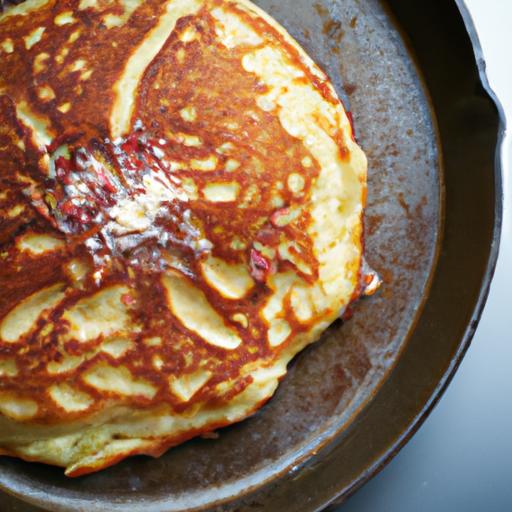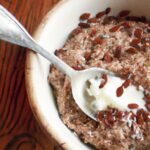

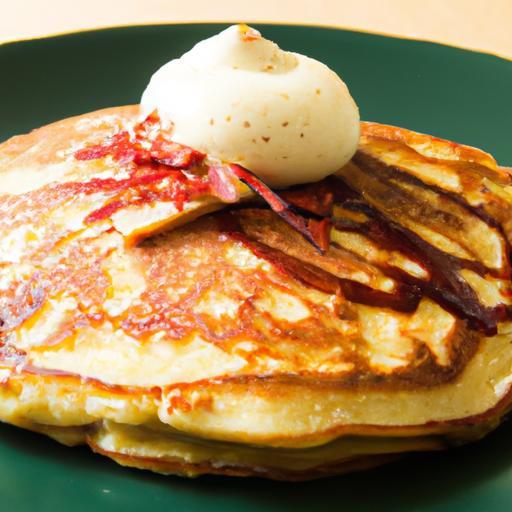
In the vibrant world of Japanese cuisine, few dishes capture the heart and palate quite like okonomiyaki-a delightful symphony of flavors folded into a savory pancake that’s as customizable as it is comforting. At the core of this culinary masterpiece lies a humble yet transformative ingredient: okonomiyaki flour.more than just a simple blend of wheat and starch, okonomiyaki flour holds the secret to achieving that perfect balance of fluffiness and crispness, unlocking the true essence of this beloved street food. Join us as we delve into the magic behind okonomiyaki flour, exploring why it’s the key to mastering the art of savory pancakes and how it can elevate your homemade okonomiyaki to new, delicious heights.
Unlocking Okonomiyaki Flour is an essential step to mastering the art of Japan’s beloved savory pancakes. This unique flour blend carries a subtle umami depth and a precise balance of starches that transforms simple okonomiyaki batter into a light, yet satisfyingly crisp delight. Whether you’re a curious home cook or a seasoned chef, discovering the magic behind okonomiyaki flour unlocks layers of authentic flavor and texture that standard wheat flour simply can’t replicate.
Prep and Cook time
- Readiness: 15 minutes
- cooking: 20 minutes
- Total: 35 minutes
Yield
Serves 4 hearty portions
Difficulty Level
Medium – beginner cooks can succeed with a bit of practice and patience
ingredients
- 1 cup okonomiyaki flour (or substitute with ¾ cup all-purpose flour + ¼ cup potato starch)
- ¾ cup dashi stock (preferably homemade or quality instant dashi powder dissolved in water)
- 2 large eggs, lightly beaten
- 2 cups finely shredded cabbage
- ¼ cup chopped green onions
- ½ cup tenkasu (tempura scraps, optional for crunch)
- 4 oz thinly sliced pork belly or bacon strips
- Okonomiyaki sauce, for topping
- Japanese mayonnaise, for drizzling
- Aonori (seaweed flakes), for garnish
- Katsuobushi (bonito flakes), for garnish
- Pickled ginger, to serve (optional)
- Vegetable oil, for cooking
instructions
- Prepare the batter: In a large bowl, combine the okonomiyaki flour with dashi stock, whisking gently to remove lumps. The dashi’s savory notes deepen the batter’s flavor, so opt for homemade or high-quality stock for best results.
- Add eggs and dry ingredients: Stir in the beaten eggs until fully incorporated, then fold in the shredded cabbage, green onions, and tenkasu. The mix should be slightly lose but thick enough to hold shape on the pan-adjust with a splash of dashi or a pinch more flour if needed.
- heat your skillet: Warm a non-stick or cast-iron skillet over medium heat and coat lightly with vegetable oil.
- Shape the pancake: Pour half of the batter onto the skillet, spreading gently to about 7-8 inches in diameter. Layer the pork belly slices evenly on top, pressing lightly so they adhere to the batter.
- Cook one side: Sauté until the bottom becomes golden and slightly crispy, about 5-6 minutes. Resist flipping too early to avoid breaking.
- Flip carefully: Using a wide spatula, turn the okonomiyaki over and cook an additional 5-7 minutes. Cover the pan with a lid to help the pork and batter cook evenly through.
- Check for doneness: The pancake should feel firm and cooked through, with a nicely crisped exterior and juicy interior.
- Plate and garnish: Transfer to a serving plate. Generously brush with okonomiyaki sauce,drizzle with mayonnaise in artistic zigzags,then sprinkle with aonori and katsuobushi. The bonito flakes will dance enticingly atop the warm pancake!
- Repeat: Prepare the second pancake with the remaining batter and ingredients.
- serve hot: Add pickled ginger on the side for a luminous, palate-cleansing contrast.
Tips for Success in Unlocking Okonomiyaki Flour’s Full Potential
- Choosing flour: Okonomiyaki flour is specially formulated with a mix of wheat flour, starches, and seasoning. If unavailable, substitute with a combination of all-purpose flour and potato starch for similar texture.
- Stock up on dashi: The heart of authentic flavor lies in the dashi stock-make your own by steeping kombu and bonito flakes or use a trusted instant brand.
- Batter texture: Aim for a thick but fluid batter.If it’s too runny, the pancake won’t hold shape; too stiff, and it becomes dense.Adjust with minor dashi or flour additions.
- Cabbage prep: Shred finely to help the vegetable cook evenly and release mild sweetness, contributing moisture and texture.
- Cooking technique: patience is key. Cook on medium heat to avoid burning while ensuring thorough cooking.
- Make ahead option: You can combine batter and veggies a few hours in advance, storing it covered in the fridge to let flavors meld.
Serving Suggestions
Present your okonomiyaki pancakes sliced like a pizza, accompanied by extra okonomiyaki sauce and Japanese mayonnaise for dipping. Garnish with fresh chopped green onions or a sprinkle of toasted sesame seeds for texture contrast. Pair this dish with a chilled glass of sake or a crisp lager to elevate the full umami experience. for a colorful twist, try incorporating shiitake mushrooms, shrimp, or mochi bites directly into the batter.

| Nutrient | Per Serving |
|---|---|
| Calories | 320 kcal |
| Protein | 15 g |
| Carbohydrates | 40 g |
| Fat | 10 g |
For a deeper dive into dashi and its role in Japanese cooking, visit Japan Guide’s dashi overview. Curious about other traditional Japanese pancake varieties? Check out our related article on Hijiki Pancakes: nutrient-Packed bites.
Q&A
Q&A: Unlocking Okonomiyaki Flour – The Secret to Savory Pancakes
Q1: What exactly is Okonomiyaki flour?
A1: Okonomiyaki flour is a specially blended Japanese flour mix designed to create the perfect texture for okonomiyaki – the beloved savory pancake. Unlike regular flour, it often contains a mix of wheat flour, dashi powder, and sometimes yam or starch, providing that signature light, airy, yet slightly chewy bite that carries flavors beautifully.
Q2: Why can’t I just use all-purpose flour for okonomiyaki?
A2: While all-purpose flour works in a pinch, it lacks the subtle umami depth and unique texture enhancers found in okonomiyaki flour. The added dashi and starches in okonomiyaki flour create a batter that crisps delicately on the outside but stays tender inside, elevating your savory pancake to authentic Japanese street-food heaven.
Q3: How does okonomiyaki flour affect the flavor profile?
A3: The secret is in the umami. The dashi-infused flour lends a subtle savory backbone that intensifies the accompanying ingredients – be it cabbage, pork, seafood, or green onion. This depth of flavor means your okonomiyaki isn’t just a pancake; it’s a harmony of textures and tastes that dance on your palate.
Q4: Are there different types of okonomiyaki flour for various regions?
A4: Indeed! Just like the pancake itself,okonomiyaki flour can vary slightly to suit regional tastes. Such as, Hiroshima-style okonomiyaki sometimes uses a lighter batter to complement its layered approach, while Kansai-style tends to have a thicker, heartier mix. Some flours even cater to gluten-free or vegan adaptations,making the savory treat accessible to all.
Q5: Can I make my own okonomiyaki flour at home?
A5: Absolutely! Crafting your own okonomiyaki flour is like creating a flavor potion. Start with all-purpose flour and add dashi powder (available as instant granules),a pinch of baking powder for lift,and a spoonful of potato starch or yam powder for that perfect chewiness.Experiment to find your ideal blend and watch your pancakes rise to new savory heights.
Q6: What tips would you give for cooking okonomiyaki with this flour?
A6: Patience and heat control are key. Preheat your griddle or pan to medium-high, then pour your batter blended with okonomiyaki flour. Spread it gently, but don’t press it down too hard – you wont to keep that airy texture. Flip carefully after the edges turn golden brown, and cook through. Finish with classic toppings like okonomiyaki sauce, mayo, bonito flakes, and seaweed powder for the authentic experience.
Q7: Beyond okonomiyaki,can okonomiyaki flour be used in other recipes?
A7: Why not! its umami-rich,light texture makes it a fantastic secret ingredient in other savory batters – think tempura coatings,savory waffles,or even fritters.The flour’s balanced flavors can add an unexpected twist anywhere you want a bit of Japanese savory magic.
Unlock the secret of okonomiyaki flour,and your kitchen becomes a gateway to Japan’s soulful street food – one savory pancake at a time.
Key Takeaways
As you whisk together the perfect batter and watch the okonomiyaki sizzle on the griddle, remember that the secret truly lies in the flour beneath it all. Unlocking the magic of okonomiyaki flour means embracing the art of balance-where texture meets flavor in every savory bite. Whether you’re a seasoned chef or a curious home cook, this humble flour is your passport to crafting authentic Japanese pancakes that delight the senses and bring a touch of culinary tradition to your kitchen. So go ahead, flip that pancake with confidence, and savor the masterpiece born from unlocking okonomiyaki flour’s true potential.