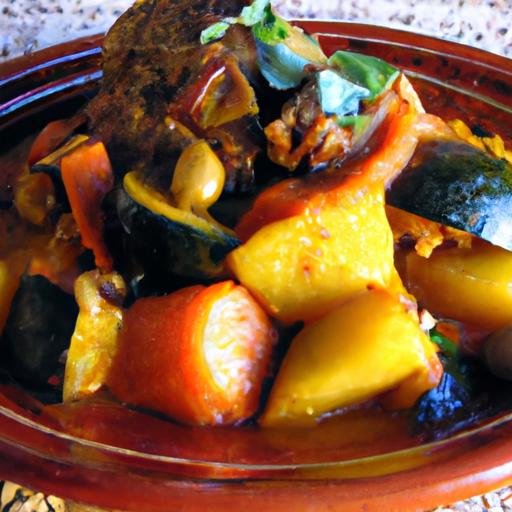

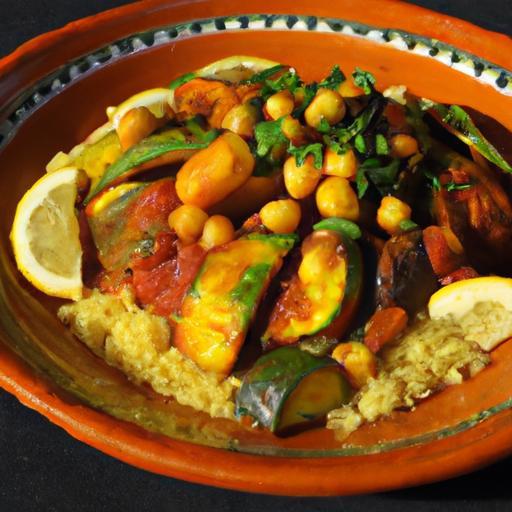
Nestled within the vibrant tapestry of Moroccan culture lies a culinary masterpiece that has transcended centuries-the tagine. More than just a dish, the Moroccan tagine is a symphony of flavors and traditions, slow-cooked to perfection in its iconic earthenware pot. This timeless recipe weaves together aromatic spices,tender meats,and fresh vegetables,capturing the essence of a land where history and hospitality intertwine. embark on a flavorful journey as we explore the origins, ingredients, and cultural significance behind the Moroccan tagine-a savory celebration that continues to enchant palates around the world.
moroccan tagine captivates the senses with its vibrant aromas and rich textures, making it much more than just a stew-it’s a culinary treasure steeped in history and culture. Originating from the heart of Morocco, this dish reflects centuries of Berber, Arab, and Mediterranean influences, cooked slowly in a conical earthenware pot called a tagine, wich enhances its unique flavor and tenderness. My first encounter with a Moroccan Tagine was during a bustling market visit in Marrakech, where the fragrant mingling of spices instantly drew me closer, igniting a lifelong passion to recreate this magical experiance in my own kitchen.
Prep and Cook Time
- Readiness: 20 minutes
- Cooking: 2 to 3 hours (slow simmering)
Yield
Serves 4-6 generous portions
Difficulty Level
Medium: Requires slow cooking patience and attention to detail but vrey rewarding.
Ingredients
- 2 lbs bone-in chicken thighs or lamb shoulder, cut into large chunks
- 2 tbsp olive oil
- 1 large onion, finely sliced
- 3 cloves garlic, minced
- 1 tsp ground ginger
- 2 tsp ground cumin
- 1 tsp turmeric powder
- 1 tsp cinnamon
- 1 tsp paprika
- ½ tsp saffron threads, soaked in 2 tbsp warm water
- 1 cup chicken broth or water
- 1 cup dried apricots or prunes, halved
- 1 cup pitted green olives
- 2 tbsp honey
- salt and freshly ground black pepper, to taste
- Fresh cilantro and parsley, chopped, for garnish
- 1 preserved lemon, rind rinsed and thinly sliced (optional but authentic)
Instructions
- Heat olive oil in your tagine or a heavy-bottomed pot over medium heat.Add chicken pieces and brown on all sides, about 5-7 minutes. Remove and set aside.
- Sauté the onion and garlic in the same pot until soft and golden, about 8 minutes. Stir frequently to prevent sticking and gently caramelize the onions for depth of flavor.
- Sprinkle in the spices (ginger, cumin, turmeric, cinnamon, paprika) and stir continuously for 2 minutes until the mixture is aromatic and steps your kitchen up with warmth.
- Return the chicken to the pot and pour in the saffron water and chicken broth. Stir gently to coat the chicken thoroughly.
- Add the dried apricots or prunes, olives, honey, and preserved lemon slices (if using). Season with salt and pepper.
- Cover the tagine with its conical lid, reduce heat to low, and let it simmer gently for 2-3 hours. The magic of Moroccan tagine lies in this slow-cooking process: moisture condenses inside the lid and drips back to keep the meat tender and juicy.
- Check occasionally, adding a splash of water or broth if it begins to dry out. The sauce should thicken slightly and become luscious.
- Once the meat is tender and falling off the bone, remove from heat. Garnish with fresh cilantro and parsley before serving.
Tips for Success
- Use an authentic earthenware tagine whenever possible. If unavailable,a heavy Dutch oven works with a tight-fitting lid.
- Preserved lemon adds a subtle, bright tanginess that elevates the dish; try to include it for an authentic taste.
- Slow cooking at low temperatures allows spices to penetrate deeply-avoid rushing this step.
- For a vegetarian twist, substitute meat with hearty root vegetables and chickpeas, adding vegetable broth.
- Make-ahead tip: Tagine flavors deepen when reheated the next day, making it perfect for meal prep.
Serving Suggestions
This Moroccan Tagine pairs beautifully with fluffy couscous, crusty bread, or warm flatbreads to soak up the exquisite sauce.Garnish with slivered almonds toasted until golden, a sprinkle of sesame seeds, or even pomegranate seeds for bursts of color and texture.

| Nutrient | Per serving |
|---|---|
| Calories | 450 kcal |
| Protein | 35 g |
| Carbohydrates | 25 g |
| Fat | 20 g |
For those wishing to deepen their knowledge of North African spices and their culinary uses, this Britannica article on Moroccan cuisine offers an excellent cultural overview. additionally,discover more recipes inspired by Moroccan flavors in our related Moroccan couscous recipe.
Q&A
Q&A: Moroccan Tagine – A Timeless Journey of Flavor and Tradition
Q1: What exactly is a moroccan tagine?
A1: At its heart, a tagine is both a dish and the distinctive earthenware pot in which it’s cooked. The pot’s unique conical lid traps steam, allowing ingredients to slow-cook and mingle their flavors in a tender, aromatic symphony. It’s more than cookware; it’s a vessel of Moroccan culinary heritage.
Q2: How did the tagine become a symbol of Moroccan culture?
A2: The tagine’s origins trace back centuries, rooted in Berber traditions of North Africa. Over time, it evolved through the influence of Arab, Andalusian, and Mediterranean cultures.This fusion reflects Morocco’s rich history, making the tagine a flavorful emblem of its diverse identity.
Q3: What makes the flavors of a tagine so distinct and captivating?
A3: The magic lies in the slow-cooking method combined with an aromatic blend of spices such as cumin, coriander, saffron, cinnamon, and preserved lemons. These ingredients meld gradually, creating layers of deep, harmonious flavors that celebrate both earthiness and subtle sweetness.
Q4: Can tagines vary across different regions in Morocco?
A4: Absolutely. Coastal regions favor seafood tagines infused with fresh herbs and citrus, while mountainous areas frequently enough use hearty lamb or chicken with dried fruits and nuts. Each region’s tagine tells a story shaped by its local climate, culture, and available ingredients.
Q5: How does the shape of the tagine pot influence the cooking process?
A5: The conical lid is ingeniously designed to circulate steam, which condenses and drips back onto the dish. This self-basting effect keeps the ingredients moist and tender,concentrating flavors without the need for added water or fats.
Q6: What role does the tagine play in Moroccan social life?
A6: Sharing a tagine is often a communal experience – a slow, purposeful meal that fosters bonding among family and friends. From bustling markets to quiet desert evenings, the tagine is a centerpiece of hospitality, conversation, and cultural expression.Q7: Is making a tagine at home arduous for someone unfamiliar with Moroccan cooking?
A7: Not at all! While traditional tagines use the ceramic pot, similar results can be achieved with a heavy-bottomed Dutch oven or slow cooker. The key is in layering spices thoughtfully and embracing a slow simmering process that lets the flavors develop beautifully.
Q8: How has the tagine influenced modern global cuisine?
A8: Chefs worldwide draw inspiration from tagine’s aromatic spice blends and slow-cooking techniques, incorporating its essence into everything from stews and roasts to vegetarian dishes. It’s a testament to how Moroccan tradition continues to inspire culinary creativity across continents.
Q9: What’s a classic tagine recipe to try for beginners?
A9: Chicken with preserved lemons and green olives is a beloved, approachable classic. The tangy lemons and briny olives contrast with the warm spices, creating a balanced, unforgettable flavor that captures the spirit of Moroccan cooking.
Q10: Where can someone find authentic Moroccan spices and tagine cookware?
A10: Specialty spice shops, Middle Eastern markets, and well-stocked international grocery stores often carry authentic Moroccan spices such as ras el hanout and preserved lemons. Tagine pots can be found online or in stores specializing in north African cookware, allowing you to embark on your own timeless journey of flavor and tradition right at home.
In Retrospect
As the fragrant steam rises from a simmering tagine, it carries with it centuries of stories, traditions, and the vibrant spirit of Morocco. This timeless dish is more than just a meal-it is indeed a culinary journey that weaves together the rich tapestry of flavors, history, and culture. Weather enjoyed in a bustling market or a quiet home kitchen,the tagine invites us to slow down,savor each bite,and connect with a heritage that transcends time. Embracing the tagine is embracing a piece of Morocco itself-a delicious reminder that food is not only nourishment but a living tradition waiting to be shared.