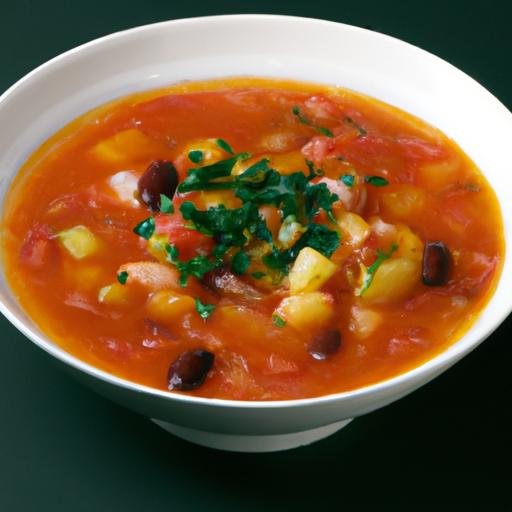

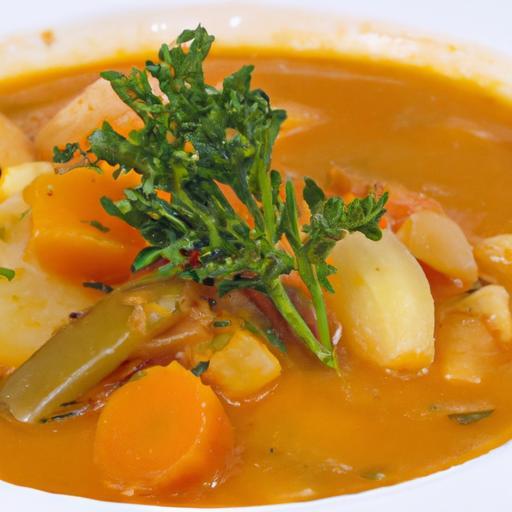
There’s something deeply comforting about a steaming bowl of minestrone-a vibrant mosaic of seasonal vegetables, tender beans, and savory broth that has warmed Italian hearts for centuries. More than just soup, minestrone is a culinary journey through Italy’s regions, each ladle telling stories of humble kitchens and bountiful harvests. In this article, we’ll explore the magic behind this hearty classic, uncovering its rich history, regional variations, and timeless appeal. prepare to dive spoon-first into the soul of Italy’s beloved soup, where every ingredient sings and every bite invites you to savor a tradition that’s both nourishing and unforgettable.
Minestrone Magic is more than just a soup; it is a vibrant mosaic of Italy’s culinary heritage. This beloved Italian classic has evolved over centuries, reflecting the diverse climates, cultures, and local produce from region to region. Each spoonful tells a story of garden-fresh vegetables, aromatic herbs, rich broths, and heartfelt tradition that make it a warm embrace on any day.
Origins and Evolution of Minestrone Across Italian Regions
Minestrone’s roots trace back to ancient Roman times when peasant cooks combined seasonal vegetables in simple broths, creating a humble yet nourishing meal.Over time, regional variations flourished, shaped by Italy’s geographic diversity. In liguria,for example,pesto sometiems makes an appearance for added vibrancy,while in Tuscany,beans and kale take center stage. Southern Italian minestrones tend to embrace tomatoes and zucchini, highlighting the mediterranean bounty. This evolving dish perfectly captures the essence of “cucina povera,” the art of transforming modest ingredients into an unforgettable feast.
Key Ingredients That Bring Minestrone to Life
The true magic of minestrone lies in its fresh and seasonal ingredients. Staples often include cannellini beans, carrots, celery, onions, and a medley of leafy greens like spinach or Swiss chard. The addition of pasta or rice adds substance, while fresh tomatoes or sun-dried varieties contribute depth and subtle acidity. Aromatics such as garlic, fresh basil, and rosemary weave their fragrant magic through the mix. Using a homemade vegetable broth enhances the soup’s character, but a quality store-bought broth can also elevate the experience for busy cooks.
Techniques for Achieving the Perfect Hearty Texture
Balancing texture in minestrone requires thoughtful sequencing of ingredients. Start by gently sautéing the aromatic mirepoix - onions, carrots, and celery – to build a flavorful base. Adding beans early ensures tenderness without disintegrating into mush.Incorporate pasta or rice towards the end to maintain their bite, avoiding a soggy soup. Stir occasionally as the soup simmers to meld flavors and monitor the consistency. Don’t shy away from mashing a few beans against the pot’s edge; this trick thickens the broth naturally, inviting a luscious mouthfeel that’s deeply satisfying.
Pairing Minestrone with Wine and Customary Italian Sides
To celebrate minestrone’s rustic charm, pair it with light, crisp white wines like a Verdicchio or a Pinot Grigio, which cleanse the palate and highlight the soup’s vegetal notes. For red wine lovers,a young Chianti complements the earthiness beautifully.Traditional sides such as freshly baked ciabatta brushed with garlic-infused olive oil, or a simple arugula and shaved Parmesan salad, round out the meal elegantly. A sprinkling of grated Pecorino Romano atop the hot soup adds a subtle salty depth and a finishing touch of authenticity.
Prep and Cook Time
- Preparation: 20 minutes
- Cooking: 45 minutes
- Total Time: 1 hour 5 minutes
Yield
Makes approximately 6 hearty servings
Difficulty Level
Easy to Medium – perfect for novice and seasoned cooks alike
ingredients
- 2 tbsp extra virgin olive oil
- 1 medium onion, finely chopped
- 2 carrots, diced
- 2 celery stalks, diced
- 3 garlic cloves, minced
- 1 medium zucchini, diced
- 1 large tomato, chopped (or 1 cup canned crushed tomatoes)
- 1 cup cooked cannellini beans (or 1 can, drained and rinsed)
- 4 cups vegetable broth (homemade or store-bought)
- 1/2 cup small pasta shapes (ditalini or elbow macaroni)
- 2 cups fresh spinach or Swiss chard, roughly chopped
- 1 tsp fresh rosemary, chopped
- Salt and black pepper to taste
- Fresh basil leaves and grated Pecorino Romano for garnish
Instructions
- Heat olive oil in a large pot over medium heat. Add the onion,carrots,and celery,and sauté until they soften and turn golden,about 7 minutes,stirring occasionally to avoid browning.
- Add garlic and zucchini,cooking for an additional 2 minutes until fragrant but not browned.
- Stir in the chopped tomato and rosemary, cooking down for 5 minutes to release natural sweetness and meld flavors.
- Pour in the vegetable broth and bring the mixture to a gentle boil.Reduce heat and simmer for 20 minutes to allow the vegetables to become tender and flavors to deepen.
- Add the cannellini beans, stirring gently. Simmer for 10 more minutes.
- Pour in the pasta, stirring frequently, and cook until al dente, about 8 minutes.
- stir in the leafy greens during the last 2 minutes of cooking until wilted and vibrant.
- Season with salt and freshly ground black pepper to taste.For a thicker texture, mash a few beans against the pot’s side and stir to incorporate.
- Ladle soup into bowls, garnish generously with fresh basil and grated Pecorino romano. serve immediately.
Tips for Success
- Use fresh, seasonal vegetables to capture peak flavors and textures.
- Make your broth ahead of time; a rich homemade broth makes Minestrone Magic truly shine.
- For a vegan version, omit cheese or substitute with nutritional yeast.
- Cook pasta separately if you plan to store leftovers; it keeps the soup from becoming mushy.
- Experiment with adding small cubes of pancetta or a splash of white wine for a richer flavor profile.
Serving suggestions
Present this soul-warming Minestrone Magic with a drizzle of high-quality olive oil and a crisp sprinkle of cracked black pepper. Accompany with hot, crusty bread or garlicky crostini for dipping. A chilled glass of Verdicchio or a fruity Chianti will elevate your dining experience, while a light salad with lemon vinaigrette provides a bright contrast.

| Nutrient | Per Serving |
|---|---|
| Calories | 220 |
| Protein | 10g |
| Carbohydrates | 30g |
| Fat | 5g |
For more inspiration on Italian classics, check out our guide on Classic Italian Pasta Recipes. To deepen your culinary knowlege on Italian oils and broths, visit Academia Italiana della Cucina.
Q&A
Q&A: Minestrone Magic - A Hearty Journey Through Italy’s Classic Soup
Q1: What makes minestrone more than just a vegetable soup?
A1: minestrone is a vibrant party of Italy’s seasonal bounty, blending rustic vegetables, tender beans, and often pasta or rice into a harmony of textures and flavors. Its more than a soup-it’s a canvas reflecting regional traditions, family heritage, and Italy’s countryside essence, transforming humble ingredients into a soul-warming feast.
Q2: Where did minestrone originally come from?
A2: Minestrone’s roots trace back to ancient Roman times, where thrifty households made use of garden scraps and pulses, creating nourishing stews called “pultes.” Over centuries, this evolved into the richly layered minestrone we cherish today-each region painting the dish with its unique local produce and culinary flair.
Q3: What are the “must-have” ingredients that give minestrone its signature heartiness?
A3: at its core, minestrone features seasonal vegetables like zucchini, carrots, celery, and tomatoes, enriched with sturdy beans-often cannellini or borlotti. Aromatic herbs, garlic, and onions build the base, while pasta or rice adds comforting substance. A drizzle of good olive oil and a sprinkle of parmesan elevate it to pure magic.
Q4: How does minestrone change across italy’s regions?
A4: In Liguria, you might find it brightened with pesto and beans; Tuscany’s version leans on kale and beans for a rustic depth; while in Naples, it embraces the flavors of tomatoes and pasta with a robust punch.Each iteration tells a story of local terrain, climate, and customs-making every bowl a delicious revelation.
Q5: Can minestrone be a year-round dish, or is it only for certain seasons?
A5: Thanks to its adaptable nature, minestrone thrives year-round. Spring and summer see lighter versions brimming with fresh garden veggies, while autumn and winter embrace root vegetables and heartier beans, creating a warming, nourishing stew perfect for chilly evenings.
Q6: How can someone make their minestrone truly authentic at home?
A6: authenticity starts with fresh, seasonal ingredients and patience. Slow-simmer the vegetables to let their flavors meld,use homemade broth if possible,and don’t rush the beans-they’re the soul of the soup. Finishing with a quality extra virgin olive oil and a sprinkle of aged parmesan brings that signature Italian magic to your bowl.
Q7: what’s the cultural significance of minestrone in Italian households?
A7: More than a meal, minestrone embodies the spirit of Italian family life-simple, nourishing, and shared.it’s often made in large pots for gatherings, symbolizing abundance and comfort. Sharing minestrone is like sharing a piece of Italy’s heart, connecting generations through spoonfuls of tradition.
Q8: Are there any modern twists to the classic minestrone recipe?
A8: Contemporary cooks experiment by incorporating ancient grains,plant-based proteins,or global spices,giving minestrone fresh personality while honoring its roots. Vegan and gluten-free versions abound, proving this classic soup’s timeless flexibility and universal appeal.
Q9: How can minestrone inspire home cooks beyond just being a soup?
A9: Minestrone’s vibrant ingredients and layered flavors inspire creativity-from transforming leftovers into frittatas to turning the stew’s components into savory pies or risottos. Its versatility invites cooks to embrace seasonality,improvisation,and wholehearted nourishment in the kitchen.
Q10: Why does minestrone continue to capture hearts worldwide?
A10: minestrone’s enduring allure lies in its simplicity and soul.It’s comfort in a bowl, a story told through vegetables and herbs, and a reminder of the joy in slow-cooked, heartfelt meals.As food cultures blend globally, minestrone remains a beloved beacon of Italy’s rich culinary spirit-warm, vibrant, and endlessly satisfying.
In Retrospect
As we ladle our last spoonful of minestrone magic, it’s clear that this humble soup is much more than a blend of vegetables and broth. It’s a vibrant tapestry woven from italy’s rich regional traditions, a celebration of seasonality, and a testament to the art of simple, soulful cooking. Whether simmered slowly in a rustic kitchen or whipped up in a modern apartment, minestrone invites us to savor not just a meal, but a hearty journey through the heart of Italian culture. So next time you crave comfort in a bowl,remember: a pot of minestrone is never just soup-it’s a delicious story waiting to be shared. Buon appetito!