
There’s a certain enchantment in the crackling sizzle of meat roasting slowly over open flames-a ritual that has bonded communities, ignited celebrations, and fed generations. In the heart of north africa, this timeless tradition takes on a captivating form known as mechoui, where whole lambs are expertly spit-roasted to succulent perfection. More than just a cooking method, mechoui is a vivid tapestry of culture, history, and communal spirit, weaving together smoky aromas, meticulous craftsmanship, and shared moments around the fire. Join us as we delve into the art of North African spit-roast, uncovering the secrets behind mechoui’s irresistible magic and the stories it tells of heritage and hospitality.
Unveiling the Rich Heritage and Authentic Flavor of Mechoui Magic
Mechoui Magic captivates food lovers by weaving together centuries of North African tradition with the primal joy of spit-roasting whole lamb. Originating from the Maghreb region, particularly Morocco, Algeria, and Tunisia, this dish is more than just a meal-it’s a party of communal gatherings, hospitality, and ancestral culinary artistry. The name “mechoui” derives from the Arabic root for “roasted,” precisely referring to the slow, open-fire roasting that locks in succulent juiciness while creating a crisp, fragrant skin that is nothing short of spectacular.
My first experience with Mechoui Magic was during a desert festival in southern Morocco, where the air was thick with the aroma of smoky spices and crackling firewood. Watching the spit slowly turn, glazing the lamb with its own melted fat, was mesmerizing-a ritual that connects generations and invites stories around the fire.
Prep and Cook Time
- Preparation: 45 minutes
- Marinating: Minimum 6 hours, preferably overnight
- Cooking: 4 to 5 hours (slow spit-roasting)
Yield
Serves 8 to 10 guests generously
Difficulty Level
Advanced: Requires patience and attention to fire management but yields an unparalleled culinary experience
Ingredients
- 1 whole lamb leg or shoulder (8-10 lbs),</b trimmed and butterflied for spit-roasting
- 4 tablespoons olive oil (preferably extra virgin)
- 6 cloves garlic,</b minced
- 2 tablespoons ground cumin
- 1 tablespoon ground coriander
- 1 tablespoon sweet smoked paprika
- 1 teaspoon cayenne pepper (adjust to taste)
- 2 teaspoons ground turmeric
- 1 tablespoon kosher salt
- 1 teaspoon freshly ground black pepper
- Juice of 1 large lemon
- Fresh herbs (optional): a handful of chopped cilantro and flat-leaf parsley
- Wood chips or charcoal for spit-roasting
Instructions
- Prepare the Marinade: In a bowl, combine olive oil, minced garlic, ground cumin, coriander, smoked paprika, cayenne, turmeric, salt, black pepper, and lemon juice. Mix thoroughly to create a fragrant, slightly thick paste.
- Marinate the Lamb: lay the lamb flat and generously coat every surface with the marinade. Massage the spices deep into the meat for an authentic flavor punch. Cover tightly with plastic wrap and refrigerate for at least 6 hours, overnight preferred, allowing the flavors to infuse beautifully.
- Set up the spit-Roast: Prepare your spit or rotisserie over a moderate fire using charcoal or wood chips for smokiness. Maintain low, steady heat-consistency is key for even cooking and crisping the exterior.
- Mount the Lamb: Secure the lamb onto the spit carefully, making sure it is balanced for smooth rotation. tie with cooking twine if necessary to keep the meat tight.
- Roast Slowly: Rotate the lamb continuously over indirect heat for 4 to 5 hours. Baste occasionally with leftover marinade or drippings to keep the meat moist. The skin will gradually transform into a caramelized, crackling crust while the interior remains juicy and tender.
- Check for Doneness: Test with an instant-read thermometer; the internal temperature should reach 145°F (63°C) for medium-rare or up to 160°F (71°C) for well done. Also, use a fork to check tenderness-meat should pull apart effortlessly.
- Rest and Serve: Remove the lamb from the spit and let it rest under tented foil for 15-20 minutes. This allows juices to redistribute, ensuring every bite is moist and flavorful before carving.
Tips for Success
- Wood Selection: Use aromatic woods such as olive or almond to complement the aromatic spices without overpowering the lamb’s natural flavor.
- Marinade Adaptations: Incorporate preserved lemon for a shining citrus twist or smoked chili flakes for added depth.
- Fire Control: Keep coals at a steady, medium-low heat to avoid drying or burning. Rotate the spit slowly for an even crust.
- Ahead of Time: Marinate the lamb overnight for maximum flavor penetration.You can also prepare the spice mix up to a week ahead.
- Choice Cooking: If a spit is unavailable, roast the marinated lamb slowly in the oven at 275°F (135°C), turning every 30 minutes, but expect a slightly different texture.
Serving Suggestions
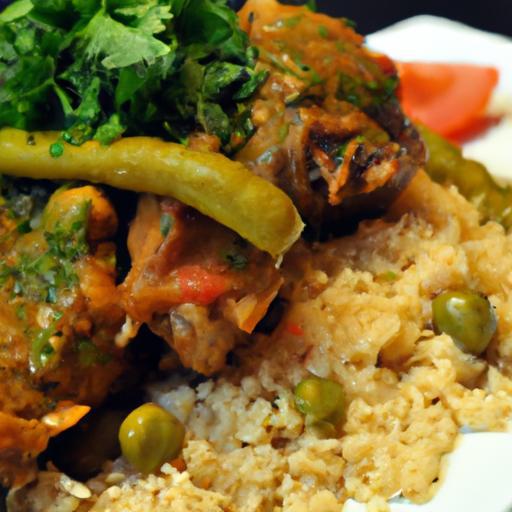
Slice the lamb thinly against the grain to showcase the juicy interior and crisp edges.Serve atop a bed of fluffy couscous with toasted almonds and dried apricots for a sweet contrast. Garnish plates with fresh herbs like cilantro and parsley, and accompany with traditional sides such as harissa-spiked yogurt and charred flatbreads.Refresh guests’ palates with cold mint tea or a crisp Moroccan white wine.

| Nutrient | Per Serving | % Daily Value* |
|---|---|---|
| calories | 540 kcal | 27% |
| Protein | 48 g | 96% |
| Carbohydrates | 3 g | 1% |
| Fat | 35 g | 54% |
*Percent Daily Values based on a 2,000 calorie diet.
For a deeper dive into North African spices and their uses,explore our detailed spices guide. To understand the past context and cultural celebrations associated with spit-roasting in Maghreb, visit this Britannica overview on Mechoui.
Q&A
Q&A: Mechoui Magic – Exploring the Art of North African Spit-Roast
Q1: What is Mechoui,and why is it considered a culinary treasure in North Africa?
A1: Mechoui is a traditional North African dish featuring whole lamb or sheep slow-roasted on a spit over an open flame or glowing embers. Its roots run deep in Maghrebi culture, symbolizing hospitality, celebration, and communal joy. The magic of Mechoui lies in its simplicity and the transformation of humble ingredients into succulent, smoky, melt-in-your-mouth perfection-a true feast for the senses.
Q2: how does Mechoui differ from other spit-roasting traditions around the world?
A2: While spit-roasting is a global technique, Mechoui distinguishes itself through its unique blend of spices, cooking methods, and cultural meaning. Unlike the often heavily marinated Western spits, Mechoui emphasizes natural flavors enhanced by a lightly seasoned crust, usually seasoned with just salt, cumin, and sometimes a hint of chili or garlic. the lamb cooks slowly, often wrapped or covered with palm leaves or barley straw to retain moisture, creating an irresistibly tender and aromatic dish.
Q3: What is the traditional process of preparing a Mechoui?
A3: Preparing Mechoui is both an art and a ritual.The lamb is cleaned and salted inside and out, sometimes rubbed with a blend of spices like cumin and ras el hanout. It’s then skewered whole and slowly rotated over coals for several hours. the slow, patient cooking allows fat to render evenly and the meat to develop a crispy, golden exterior. In some areas, cooks cover the meat with damp materials to maintain juiciness and impart a subtle smoky scent, all while controlling heat without the luxury of modern grills.
Q4: Are there regional variations of Mechoui across North Africa?
A4: Absolutely! From Morocco’s aromatic spice blends to Tunisia’s fiery harissa-infused versions, and Algeria’s traditionally simple yet robustly flavored styles, mechoui adapts to local tastes and ingredients. Some regions prefer cooking their lam or mutton over open wood fires, others use charcoal or earthen ovens. Each variation reflects the landscape, history, and cultural palette of its home, making Mechoui a mosaic of regional identities united by the spit.
Q5: What occasions call for the making of Mechoui?
A5: Mechoui is frequently enough the centerpiece of festivals, weddings, religious celebrations like Eid al-Adha, and large family gatherings. Its communal preparation and sharing foster connection and mark significant milestones. Because roasting an entire lamb is a labor-intensive process requiring space, skill, and time, it naturally fits the mood of joy, reverence, and togetherness.
Q6: Can Mechoui be enjoyed in modern or urban settings outside of its traditional roots?
A6: Definately! While the quintessential mechoui experience involves open fires and communal festivities,modern chefs and enthusiasts have adapted the method for urban kitchens using rotisserie ovens or grill setups.The essence remains in slow cooking and respectful seasoning. Moreover, Mechoui-themed dining events and Moroccan-North African restaurants have popularized the dish globally, inviting food lovers everywhere to savor this age-old culinary magic.
Q7: What makes Mechoui a symbol beyond just food in North African culture?
A7: More than a recipe, Mechoui embodies the spirit of generosity, patience, and celebration. It’s a testament to the art of cooking as a social act-bringing people together around a shared table.the ritual of preparing Mechoui often spans hours or days, encouraging storytelling, laughter, and bonding. This communal essence transforms the dish into a living tradition, a flavorful thread weaving together generations.
In essence,Mechoui is much more than spit-roasted lamb; it’s a vibrant expression of North African heritage,slow-cooked with love and seasoned with history.
In Summary
As the embers glow faintly and the last savory strands of Mechoui are savored, we’re left with more than just a satisfied appetite-we carry forward a story steeped in tradition, community, and artistry. This North African spit-roast is far more than a method of cooking; it’s a ritual that binds generations, a smoky symphony celebrating time-honored flavors and craftsmanship. Whether enjoyed under the open desert sky or recreated in a backyard gathering, Mechoui invites us all to partake in its magic-reminding us that food, at its best, is a vibrant expression of culture and connection. So next time the aroma of slow-roasted lamb fills the air, remember: you’re not just eating a meal, but savoring a moment carved from history itself.