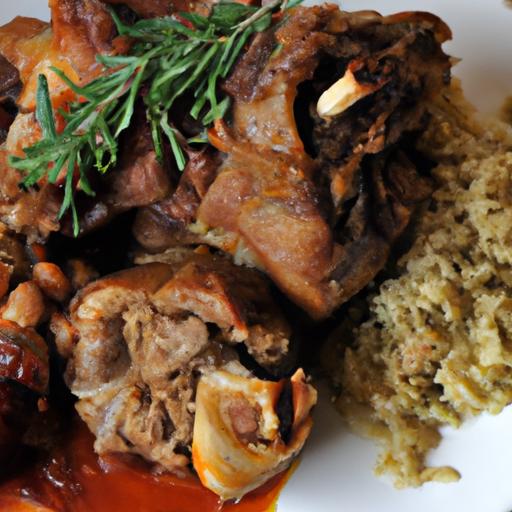

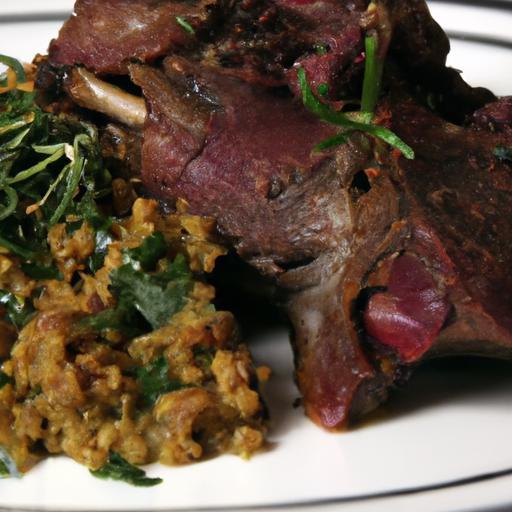
There’s a certain alchemy in the slow, deliberate conversion of a whole lamb roasting over glowing embers-an ancient ritual where fire, earth, and tradition converge to create a feast that transcends time. Welcome to the world of Mechoui, the enchanting art of North African whole lamb roast that ignites senses and stories alike. More than just a cooking technique, Mechoui is a cultural party, a communal experience, and a testament to the region’s rich culinary heritage. In this article,we’ll unveil the secrets behind the succulent flavors,the ritualistic preparations,and the vibrant spirit that make Mechoui magic a cherished centerpiece in North African tables.
Mechoui Magic: The Art of North African Whole Lamb Roast
Mechoui Magic instantly transports you to the vibrant heart of North African traditions, where communal feasts and the scent of slow-roasted lamb over an open fire tell stories of heritage, celebration, and culinary mastery. This dish is not just a meal; it’s a cultural emblem, embodying the warmth of shared tables and the art of perfect seasoning and technique. from the sun-drenched deserts of Morocco to the colorful markets of tunisia, mechoui has long been a symbol of hospitality, marking life’s grandest moments with its succulent, aromatic presence.
Origins and Cultural Significance of Mechoui in North African Traditions
Rooted deeply in Berber and Arab customs, mechoui is the whole lamb roast that represents more than just food – it’s a communal rite, celebrated during weddings, religious festivals, and harvest gatherings.traditionally, the lamb is slow-cooked on a spit or buried under hot embers, a method that enhances the meat’s natural flavors while infusing it with smoky richness.The ritual evokes stories of tribal togetherness, where guests circle around the fire, sharing laughter and the tender flesh of a meticulously prepared lamb. Understanding the cultural significance enriches your cooking experience and honors the generations behind this exquisite culinary tradition.
Prep and Cook Time
- Preparation Time: 45 minutes
- Marinating time: 8-12 hours (overnight preferred)
- Cooking Time: 4 to 6 hours (slow roasting)
- Total Time: Approximately 13 hours
Yield
Serves 12-16 guests, perfect for lively family gatherings or festive celebrations.
Difficulty Level
Advanced: Requires patience, precision, and some experience with outdoor roasting techniques.
Ingredients
- 1 whole lamb (approx.20-25 lbs), cleaned and butterflied
- 1 cup olive oil (extra virgin for marinade)
- 6 garlic cloves, finely minced
- 2 tablespoons ground cumin
- 2 tablespoons smoked paprika
- 1 tablespoon ground coriander
- 1 tablespoon turmeric powder
- 1 tablespoon ground cinnamon
- 2 teaspoons cayenne pepper (adjust to taste)
- Salt and freshly cracked black pepper, to taste
- Juice of 2 lemons
- Fresh herbs: 1/4 cup chopped flat-leaf parsley and cilantro mixed
- Optional: 1 cup white wine or water for basting
Instructions
- Prepare the marinade: in a large bowl, whisk together olive oil, minced garlic, ground cumin, smoked paprika, coriander, turmeric, cinnamon, cayenne, lemon juice, salt, and pepper. Stir until smooth and fragrant.
- Marinate the lamb: Rub the marinade generously all over the lamb, ensuring every nook is covered, especially between the legs and belly. Place lamb in a large tray or brining bag. Cover tightly and refrigerate for 8-12 hours or overnight for deep flavor penetration.
- Set up the roasting space: Preheat a charcoal pit or fire pit until the coals are glowing red with a layer of ash, about 1-2 hours before cooking.
- Sear the lamb: Position the lamb on a clean spit or metal frame. Over medium-high heat, rotate slowly, allowing the skin to crisp and seal in juices. this typically takes 30-45 minutes; watch for a gorgeous golden-brown char.
- Slow roast to tender-perfection: Reduce the lamb’s distance from the coals to a lower heat to avoid burning. Maintain gentle, consistent rotation for 4 to 6 hours. Baste periodically with reserved marinade or wine to keep moisture levels high.
- Check tenderness: The meat is done when a skewer inserts with little resistance and the skin crisps to your liking. Internal temperature should reach approximately 160°F (71°C) for medium-well.
- Rest before serving: Transfer to a warm serving tray,cover loosely with foil,and let rest 20 minutes. this step preserves the lamb’s juices and deepens its flavors.
Chef’s Tips for success
- Marinade magic: For an even richer depth, add a spoonful of preserved lemon paste or a splash of pomegranate molasses to your marinade blend.
- Wood chips boost flavor: Toss a handful of aromatic wood chips (olive wood or almond) onto the coals for a fragrant, smoky finish that amplifies mechoui magic.
- Maintain consistent heat: Control your fire with charcoal adjustments; too hot and the lamb may char outside but stay raw inside.Patience is your ally.
- Make ahead: Marinate overnight and prep the spit frame in advance. The cooking itself becomes a festive event when the groundwork is done!
- Substitutions: Prefer goat or smaller cuts? Use the same marinade principles on lamb shoulders or leg quarters for a quicker yet authentic experience.
Serving Suggestions
Present your mechoui masterpiece on a large wooden platter garnished with fresh herbs and lemon wedges for a pop of brightness. Serve alongside steamed couscous infused with saffron and raisins or a roasted vegetable medley to complement the lamb’s richness.
Accompany the feast with a chilled glass of Moroccan red wine or mint tea, enhancing the layered flavors and creating a celebratory atmosphere. A drizzle of harissa-infused yogurt or a side of charred flatbread rounds out the offering beautifully.

| Nutrient | Amount (per serving) |
|---|---|
| calories | 550 kcal |
| Protein | 45 g |
| Carbohydrates | 3 g |
| Fat | 38 g |
Q&A
Q&A: Mechoui Magic – The Art of North African Whole Lamb Roast
Q1: What exactly is Mechoui?
A: Mechoui is a traditional North African delicacy where an entire lamb is slow-roasted to tender, smoky perfection. Originating from the Maghreb region-mainly Morocco, Algeria, and Tunisia-Mechoui is more than just a dish. It’s a culinary celebration that brings communities together around fire, flavor, and festivity.
Q2: How is Mechoui different from other roast lamb dishes?
A: Unlike typical roast lamb cuts, Mechoui involves roasting a whole lamb, frequently enough on an open fire or spit. This slow-cooking method allows the meat to bask in its own juices, achieving a crispy, golden skin while the interior remains irresistibly succulent.The process infuses the lamb with smoky aromas that are uniquely North African.
Q3: What are the key spices and flavor profiles in Mechoui?
A: Mechoui’s magic lies in its simple yet potent spice blend. Commonly, it features cumin, coriander, paprika, garlic, and sometimes saffron or turmeric. These spices, rubbed liberally onto the lamb, create a warm, earthy palette that perfectly complements the rich meat. Fresh herbs like cilantro and parsley frequently enough add a bright finishing touch.
Q4: Can anyone prepare Mechoui at home, or is it only for outdoor feasts?
A: While Mechoui is famously cooked outdoors over open flames or in special clay ovens, creative home cooks can adapt the method using a standard oven or grill. The key is low and slow roasting, patience, and a good marinade. Though the ceremonial fire-roasting is part of the tradition’s soul, the flavors can be recreated in your kitchen with practice.
Q5: What occasions call for a Mechoui feast?
A: Mechoui is synonymous with celebration-weddings, religious holidays like Eid, family gatherings, and harvest festivals. Serving a whole lamb is a symbol of generosity, abundance, and respect for guests.The communal aspect, where everyone gathers around the slow-cooking lamb, makes it a feast imbued with warmth and camaraderie.
Q6: Are there regional variations of Mechoui across North Africa?
A: Absolutely! Each region infuses Mechoui with its own twist.For instance,Moroccan mechoui often includes preserved lemon and a heavier dose of cumin,while Algerian versions might incorporate fiery harissa paste. Some Tunisian recipes add anise or cinnamon for a subtle sweetness, creating a mosaic of flavors that tell the story of North africa’s diverse cultural tapestry.
Q7: What side dishes typically accompany Mechoui?
A: Mechoui pairs beautifully with simple sides that let the lamb shine. Think fluffy couscous, fresh salads with mint and lemon, roasted vegetables, and flatbreads like khobz. Dips like harissa or zaalouk-a smoky eggplant salad-offer vibrant contrasts that elevate the entire meal.
Q8: How can someone truly appreciate the art of Mechoui?
A: To savor Mechoui is to embrace its spirit: patience, community, and tradition. Whether you’re watching the lamb turn slowly golden over the fire or sharing stories around the table as you eat, the experience transcends taste. It’s a narrative of heritage, hospitality, and the magic that happens when food is made with love and time.
Mechoui is more than just a roast-it’s an edible epic of North African culture, flavor, and festivity. Ready to embark on your own Mechoui adventure? Prepare for a appetizing journey that’s as rich in history as it is indeed in taste.
The Way Forward
As the aroma of smoky spices fades and the last tender bite of the succulent lamb lingers on the palate, the magic of Mechoui leaves an indelible mark-not just on the taste buds, but on the heart of North African culinary tradition. this time-honored art of roasting a whole lamb is more than a feast; it’s a celebration of community, heritage, and the slow, patient rhythms of cooking that honor both the ingredient and the hands that prepare it. Whether enjoyed around a desert fire or a bustling city gathering, Mechoui carries with it stories of generations past and the promise of shared moments yet to come. In every crackling ember and golden crust, the spirit of North Africa’s culinary soul dances-a timeless ritual inviting all who partake to savor not just a meal, but a piece of history.