
In the realm of Italian cuisine, few dishes evoke the comforting embrace of simplicity quite like carbonara. This timeless classic, with its luscious blend of eggs, cheese, pancetta, and pasta, is a symphony of flavors that has delighted palates for generations. Yet, achieving that perfect creamy texture without a drop of cream-a common misconception-remains a culinary art form many aspire to master.In this article, we’ll unravel the secrets behind the traditional Roman recipe, guiding you step-by-step to creating a bowl of carbonara that’s silky, savory, and utterly irresistible. Prepare to elevate your pasta game and savor carbonara as it was meant to be: creamy perfection, crafted with care and authenticity.
Understanding the Essential Ingredients for Authentic Carbonara
Mastering Carbonara: Classic Recipe for Creamy Perfection begins with respecting the simplicity of its constituent ingredients. This roman delicacy demands precision and quality-each component plays a pivotal role in capturing its true essence. The star ingredients are guanciale (cured pork jowl), pecorino romano cheese, fresh eggs, and black pepper. Unlike many imitations, authentic carbonara steers clear of cream, relying on the perfect marriage of eggs and cheese to create a luscious, silky sauce. Guanciale provides a uniquely rich, melt-in-your-mouth texture and a smoky-salty depth that pancetta simply can’t replicate. The sharp tang of pecorino romano is indispensable, as its crumbly saltiness perfectly balances the richness of pork and eggs.
techniques for Achieving the Perfect creamy texture Without Cream
Achieving the iconic creamy texture hinges on technique rather than additional ingredients. To coax eggs into a smooth sauce, timing and temperature are everything. Once your pasta is al dente, quickly transfer it, along with some reserved pasta water, to the pan with browned guanciale off direct heat. Then,pour the beaten eggs combined with pecorino romano,stirring vigorously and continuously to create an emulsion that coats each strand. The residual heat cooks the eggs gently, preventing scrambling and instead forming a luxurious velvety finish. Using pasta water is crucial-it acts as a starchy bridge that marries sauce and pasta seamlessly, lending silkiness and body without heaviness.
Selecting the Ideal Pasta and Pairings to Elevate Your Dish
While spaghetti is the classic and most popular choice for carbonara, other traditional shapes like rigatoni or fettuccine work beautifully by providing extra surface area for sauce clinging. These ridged or flat noodles catch every drop of the creamy mixture, turning each bite into a flavorful celebration. pair your carbonara with a crisp white wine such as Frascati or Verdicchio, which cuts through richness and refreshes the palate. A simple green salad with a lemon vinaigrette complements the indulgence while balancing flavors.Avoid heavy or tomato-based sides to keep the spotlight on the carbonara’s delicate harmony.
Common Mistakes to Avoid for Flawless Carbonara Every Time
One of the most frequent pitfalls when mastering carbonara is rushing the sauce assembly, leading to scrambled eggs or a dry finish. Always remove your pan from direct heat before adding the egg mixture to avoid overheating. Overcooking the guanciale can render it tough rather than crisp and tender-aim for golden and slightly translucent edges. using pre-grated cheese or low-quality pecorino dilutes the flavour and texture-grate fresh cheese just before use for optimum results. Lastly, seasoning should be calculated; guanciale and pecorino bring inherent saltiness, so taste before adding extra salt. These mindful steps ensure flawless carbonara every time.
Prep and Cook Time
- Prep Time: 10 minutes
- Cook Time: 15 minutes
- Total time: 25 minutes
Yield
Serves 4 generous portions
Difficulty level
Medium – requires attention to timing and temperature but rewarding for home cooks with basic skills
Ingredients
- 400g (14 oz) spaghetti, preferably bronze-cut for better sauce adhesion
- 150g (5 oz) guanciale, diced into ½-inch pieces
- 4 large egg yolks (preferably at room temperature)
- 1 whole large egg
- 1 cup (100g) freshly grated Pecorino Romano cheese
- Freshly ground black pepper, to taste
- Salt, for pasta water only
Instructions
- bring a large pot of salted water to a rolling boil. Add the spaghetti and cook until al dente, about 8-9 minutes, reserving 1 cup of the pasta water before draining.
- While pasta cooks, render the guanciale: In a large skillet over medium heat, sauté the guanciale for about 5 minutes, stirring occasionally until golden and crisp but still tender. Remove from heat.
- Whisk together egg yolks, whole egg, and Pecorino Romano in a bowl until fully combined and creamy. Add a generous amount of freshly ground black pepper.
- Add drained pasta to the skillet with guanciale off direct heat. Toss to coat in the rendered fat.
- Quickly pour the egg and cheese mixture over the pasta, stirring constantly. Add reserved pasta water gradually to help create a smooth, creamy emulsion. The sauce should coat the noodles without scrambling.
- Adjust pepper and cheese seasoning to taste. Serve immediately for best texture.
Tips for Success
- Use room temperature eggs to ensure even cooking and a silky sauce.
- Reserve at least 1 cup of pasta water, adding it little by little to avoid a watery sauce.
- If sauce thickens too much, add more hot pasta water to loosen.
- Try substituting guanciale with pancetta only if unavailable, but expect a milder flavor.
- Carbonara can be made ahead by following steps 1-3, then finishing steps 4-6 just before serving.
Serving Suggestions
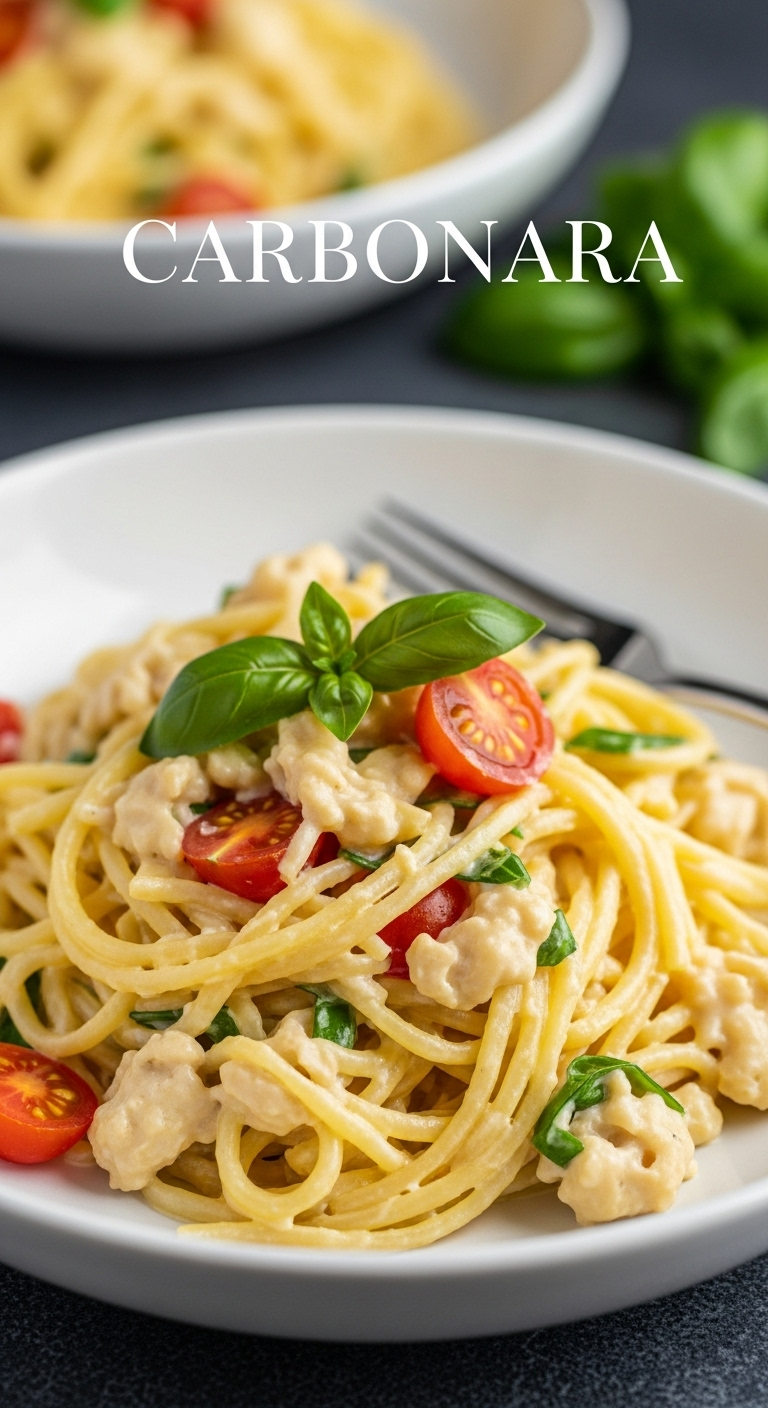
Serve carbonara plated immediately, garnished with an extra dusting of Pecorino Romano and a crack of fresh black pepper. A few delicate basil leaves add an unexpected herbal brightness. Pair with a crisp Italian white wine and a simple arugula salad with lemon vinaigrette for balance. For an authentic touch, serve with crusty Italian bread to sop up every creamy strand.

| Nutritional Info (per serving) | Calories | Protein | Carbs | Fat |
|---|---|---|---|---|
| carbonara Classic | 550 kcal | 24g | 65g | 20g |
For more Italian pasta mastery, see our guide on How to Make Perfect Alfredo Sauce, or visit Serious Eats’ guide to authentic Carbonara for further expert tips.
Q&A
Q&A: mastering Carbonara – Classic Recipe for creamy Perfection
Q1: What is the secret behind a truly creamy carbonara?
A: The magic lies in the perfect marriage of eggs, cheese, and pasta water. Unlike some creamy recipes that rely on heavy cream, authentic carbonara achieves its velvety texture from the emulsion of raw egg yolks and finely grated Pecorino Romano (or parmigiano-Reggiano) cheese, combined with just the right splash of starchy pasta water. Timing and temperature are crucial-off-heat mixing prevents scrambled eggs and yields that signature silky sauce.
Q2: Which pasta shape is traditional for carbonara, and can I use others?
A: The classic choice is spaghetti-its long, thin strands elegantly capture the rich sauce.However, other long pastas like bucatini or linguine work beautifully. Some even prefer rigatoni or fettuccine for a twist; their broader surfaces or ridges hold onto the sauce differently, creating new textures while maintaining authentic flavors.
Q3: what’s the best type of cured meat for carbonara?
A: Pancetta and guanciale are the gold standards, with guanciale (pork cheek) offering a richer, more unctuous bite thanks to its higher fat content. Pancetta, Italy’s pork belly cousin, is leaner but still packs a flavorful punch. Avoid bacon in traditional recipes-while popular outside Italy, its smoky undertone shifts the dish away from classic carbonara territory.
Q4: Why don’t traditional carbonara recipes include cream or garlic?
A: Cream and garlic are appetizing but not part of the Roman culinary tradition where carbonara originated. Authentic carbonara celebrates simplicity-relying on a few quality ingredients to shine.Cream masks the delicate balance; garlic, while tempting, can overpower the subtlety. Instead, the richness emerges from the eggs and cheese marrying with rendered guanciale fat.
Q5: can I make carbonara vegan or dairy-free?
A: While traditional carbonara is all about eggs, cheese, and pork, creative adaptations exist! Silken tofu or blended cashews can mimic creamy textures, and vegan parmesan alternatives lend some salty tang. Smoked mushrooms or coconut bacon stand in for guanciale’s smoky, savory crunch. Though a fun experiment,it’s a departure from the classic Italian masterpiece.
Q6: How do I prevent my carbonara sauce from turning into scrambled eggs?
A: Key step: remove the pan from heat before stirring in your egg and cheese mixture. Stir vigorously and quickly, adding reserved pasta water a little at a time to loosen the sauce.This gentle heat cooks the eggs just enough to thicken without scrambling, creating that luscious creaminess carbonara is known for.
Q7: What type of cheese combination yields the best flavor?
A: Pecorino Romano’s sharp, tangy bite is the hallmark cheese for carbonara. Some cooks like to blend it with Parmigiano-Reggiano to mellow the sharpness and add nutty complexity. Freshly grated is essential-pre-grated lacks flavor and texture. The key is balancing salty, savory punch with smooth richness.
Q8: Can I prepare the carbonara sauce ahead of time?
A: Carbonara’s charm lies in its immediacy. The sauce is best made and combined with pasta right as it finishes cooking. Pre-mixing risks temperature issues that scramble eggs or dry out the sauce. However, you can prep guanciale and grate cheese in advance to make the final assembly speedy and stress-free.
With these insights, you’re equipped to whip up carbonara that sings with creamy, savory perfection-one simple, soulful plate at a time. buon appetito!
In Retrospect
As you’ve discovered, mastering carbonara is less about rigid rules and more about embracing the simple harmony of quality ingredients and timing. This classic Roman dish, with its luscious, creamy texture achieved without a drop of cream, proves that culinary magic often comes from understanding technique rather than complicating recipes. Whether you stick to the traditional guanciale and Pecorino Romano or experiment with subtle twists,the essence remains: patience,precision,and passion. So next time you toss those silky eggs with pasta, remember-you’re not just cooking, you’re continuing a delicious tradition, one perfectly coated strand at a time. Buon appetito!