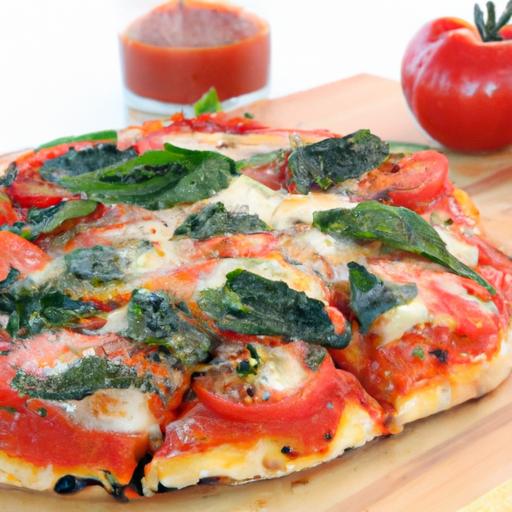

Few dishes capture the essence of Italy quite like the humble Margherita pizza.With its vibrant medley of sun-ripened tomatoes, creamy mozzarella, fragrant basil, adn a perfectly crisp crust, this timeless classic offers more than just a meal-it tells a story. Born from royal inspiration and crafted with simple, fresh ingredients, the Margherita pizza is a party of Italian culinary tradition and artistry. In this article, we’ll explore the origins, ingredients, and enduring appeal of this iconic dish that continues to win hearts-and appetites-around the world.
Margherita pizza: The Timeless Classic of Italian Flavor
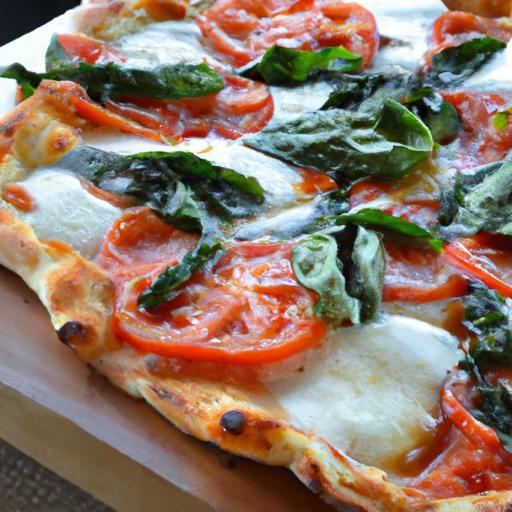
Margherita Pizza is more than just a dish – it’s a vibrant celebration of Italian heritage and simplicity at its finest. originating in Naples, this iconic creation embodies the essence of Italian flavor with its fresh, high-quality ingredients, and its story speaks to national pride and culinary artistry. The lush red tomatoes,creamy white mozzarella,and fragrant green basil mirror the colors of the Italian flag,making every bite a true taste of history and tradition. Whether you’re a seasoned pizza lover or trying your hand at authentic Italian cuisine for the first time,mastering Margherita Pizza will transport your kitchen to sunlit piazzas along the Mediterranean coast.
Prep and cook Time
- Readiness: 20 minutes
- Dough Proofing: 1 hour 30 minutes
- Cooking: 8-12 minutes
- Total Time: Approximately 2 hours
Yield
- Serves 4 (one 12-inch pizza each)
Difficulty Level
- Medium – Requires some patience but very rewarding
Ingredients
- For the Dough:
- 3 ½ cups (440g) all-purpose flour, sifted
- 1 ¼ cups (300ml) lukewarm water
- 2 tsp active dry yeast
- 1 tsp sugar
- 2 tbsp extra virgin olive oil, plus more for greasing
- 1 ½ tsp fine sea salt
- For the Sauce:
- 1 cup canned San Marzano tomatoes, crushed by hand
- 1 garlic clove, minced
- 1 tbsp extra virgin olive oil
- Salt to taste
- Freshly ground black pepper, optional
- Toppings:
- 8 oz (225g) fresh mozzarella di bufala or whole milk mozzarella, sliced and drained
- Fresh basil leaves (about 10-15 leaves)
- Extra virgin olive oil, for drizzling
Instructions
- Activate the yeast: In a small bowl, combine warm water, sugar, and yeast. Stir gently and let sit for 5-10 minutes until foamy and bubbly-this means the yeast is alive and ready.
- Prepare the Dough: In a large mixing bowl, add sifted flour and salt. Make a well in the center and pour in the yeast mixture and olive oil. Using your hands or a dough hook attachment, mix and knead for 8-10 minutes until the dough is smooth, elastic, and slightly tacky but not sticky.
- First Proof: Lightly oil a large bowl, place the dough inside, cover with a damp cloth or plastic wrap, and let it rise in a warm spot for 1 to 1 ½ hours or until it doubles in size.
- Prepare the Sauce: While the dough rises,heat olive oil in a pan over medium heat. Add minced garlic and sauté until fragrant, about 1 minute. Remove from heat and stir in crushed San Marzano tomatoes, salt, and pepper. Keep the sauce simple-no need to cook it extensively to preserve its fresh tomato flavor.
- Preheat the Oven: Place a pizza stone or inverted baking sheet in the oven and preheat to 500°F (260°C) for at least 45 minutes for the best crust.
- Shape the Dough: When the dough has doubled, turn it out onto a floured surface.divide into 4 equal portions. Gently stretch or roll each into a 12-inch circle, ensuring to keep the edges slightly thicker to form a crust.
- Assemble the Pizza: Place dough on a piece of parchment paper or a well-floured pizza peel. Spread a thin layer of tomato sauce evenly, avoiding the edges. Tear fresh mozzarella into chunks and distribute over the sauce. Scatter fresh basil leaves on top and drizzle with olive oil.
- Bake to Perfection: Transfer the pizza onto the hot stone or baking sheet using the peel or by sliding the parchment into the oven. Bake for 8-12 minutes until the crust is golden and blistered, and cheese is melted with bubbles of light brown.
- Finish and Serve: remove from the oven and immediately drizzle a little more olive oil, garnish with extra fresh basil if desired, and serve hot.
Tips for Success
- Use high-protein flour if possible (bread flour) for a chewier crust.
- Keep dough warm but not hot while proofing to help yeast activate evenly.
- Don’t overload the pizza with sauce or cheese; the simplicity is what makes a Margherita shine.
- For an extra crispy crust, preheat your pizza stone thoroughly and resist opening the oven during baking.
- If fresh mozzarella is too moist, dry it gently** using paper towels to prevent sogginess.
- Make dough ahead: prepare and refrigerate overnight for deeper flavor development.
Serving Suggestions
Slice your Margherita Pizza and serve on a wooden board for rustic charm.Pair it with a simple arugula and parmesan salad dressed in lemon and olive oil to brighten the palate. A light Italian white wine, like a Verdicchio or Pinot Grigio, complements the fresh flavors elegantly. Garnish with a sprinkle of chili flakes for those who enjoy a subtle kick. This pizza is best enjoyed fresh out of the oven with a side of chilled sparkling water.

| Nutritional Data (per serving) | Amount |
|---|---|
| Calories | 320 kcal |
| Protein | 15 g |
| Carbohydrates | 38 g |
| Fat | 12 g |
For those inspired to diversify, check out our collection of Italian pasta recipes to pair perfectly with your homemade margherita Pizza experience. You can learn more about the rich history behind this classic dish at the Slow Food Foundation.
Q&A
Q&A: Margherita Pizza – The Timeless Classic of italian Flavor
Q1: What makes Margherita pizza so iconic in Italian cuisine?
A: Margherita pizza embodies the essence of Italy’s culinary philosophy: simplicity and quality. Featuring just three primary ingredients-fresh tomatoes, mozzarella cheese, and basil-it showcases the vibrant colors of the Italian flag while delivering a harmonious blend of flavors. its rustic charm and balanced taste have captivated food lovers worldwide, making it a symbol of authentic Italian flavor.
Q2: Where did Margherita pizza originate?
A: Margherita pizza hails from Naples, Italy. Legend credits its creation in 1889 when Queen Margherita of Savoy visited Naples.Chef Raffaele Esposito crafted this pizza with the colors of the Italian flag in mind-red tomatoes, white mozzarella, and green basil-as a tribute to the queen and the newly unified Italy. The queen’s approval helped cement this pizza as a national classic.
Q3: How do the ingredients contribute to the pizza’s flavor profile?
A: Each ingredient on a Margherita pizza plays a starring role. The sweet acidity of ripe tomatoes provides a bright base, while creamy mozzarella adds a rich, melty texture. Fresh basil leaves impart an aromatic, slightly peppery freshness. The dough, often handcrafted and wood-fired, adds a smoky, chewy canvas that ties it all together. This synergy creates a perfectly balanced experience with every bite.
Q4: Why is Margherita pizza considered a timeless classic rather than a trendy dish?
A: unlike complex or heavily topped pizzas, Margherita’s timeless appeal lies in its minimalist elegance. It doesn’t rely on gimmicks or overwhelming flavors; instead, it celebrates tradition and ingredient integrity. This enduring simplicity resonates with generations, crossing cultural boundaries and food trends, ensuring it remains a beloved staple across the globe.
Q5: Can Margherita pizza be adapted without losing its traditional essence?
A: While variations exist-such as using buffalo mozzarella or adding a drizzle of extra virgin olive oil-the heart of Margherita pizza remains intact when the core ingredients and their freshness are respected. Creative interpretations are welcomed,but the magic is in preserving the balance and purity of its original components,which define its unmistakable character.
Q6: How can home cooks recreate an authentic Margherita pizza experience?
A: Start by choosing high-quality, fresh ingredients: ripe tomatoes or San Marzano canned tomatoes, fresh mozzarella, and fragrant basil. Use a simple pizza dough recipe and aim to cook in a very hot oven (ideally 500°F or higher) to achieve a crust that’s crispy on the outside and tender inside. Finish with a drizzle of good olive oil and serve immediately to savor the vibrant flavors at their peak.
Q7: What cultural significance does Margherita pizza hold in Italy today?
A: Margherita pizza remains a proud symbol of Italian heritage and culinary artistry.It represents regional identity, national unity, and the celebration of fresh, seasonal ingredients. From Naples to the global stage, it’s more than a dish-it’s a cultural ambassador that invites people to experience Italy’s passion, simplicity, and love for food.
Closing Remarks
From its humble origins in Naples to its celebrated status on tables worldwide,Margherita pizza remains a testament to the beauty of simplicity done right. With each bite, the harmonious dance of fresh tomatoes, creamy mozzarella, fragrant basil, and golden crust tells a story centuries in the making-a story of tradition, passion, and genuine Italian flavor. Whether enjoyed in a bustling pizzeria or made lovingly at home, the Margherita pizza continues to captivate palates and hearts alike, proving that sometimes, the simplest ingredients create the most timeless classics.