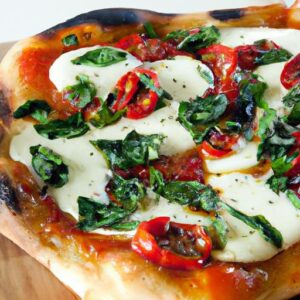

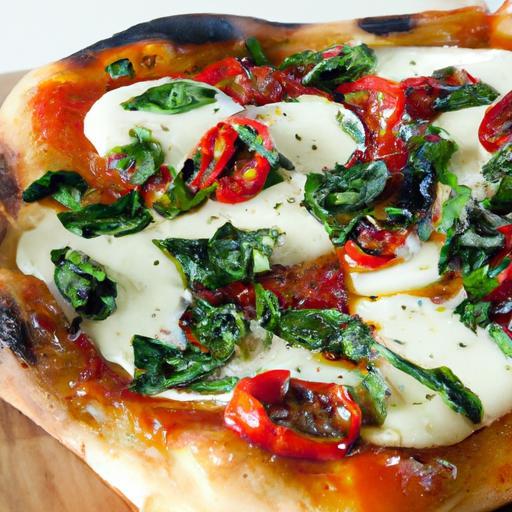
Few dishes capture the essence of simplicity and delight quite like the Margherita pizza. With its vibrant hues of ruby-red tomato, creamy white mozzarella, and fresh green basil, this iconic pie is more than just a meal-it’s a celebration of tradition, flavor, and history baked into every slice. From the sun-drenched kitchens of Naples to tables around the world, the margherita pizza has journeyed through time, enchanting palates and inspiring countless variations. Join us as we explore the timeless charm of this culinary classic,uncovering the stories,ingredients,and techniques that make it a beloved icon in the ever-evolving world of gastronomy.
The Timeless Charm of Margherita Pizza begins with a celebration of its authentic, simple ingredients that have defined this iconic Italian classic for centuries. Originating from Naples, this pizza embodies the colors of the Italian flag through vibrant tomatoes, fresh basil leaves, and creamy mozzarella, delivering a harmonious balance of freshness and comfort in every bite. Crafting the perfect Margherita slice at home is both an art and a joy-a sensory journey marked by a crisp crust, rich sauce, and melty cheese that brings tradition right to your table.
Prep and Cook Time
- Readiness: 20 minutes (plus 1 to 2 hours rising time)
- Cooking: 10-12 minutes
- Total: Approximately 1 hour 30 minutes to 2 hours 30 minutes
Yield
Serves 2 to 3 peopel (one 12-inch pizza)
Difficulty Level
Medium – perfect for home cooks ready to elevate their pizza-making skills
Ingredients
- 1 cup all-purpose flour, sifted
- ½ cup warm water (about 110°F / 43°C)
- 1 tsp active dry yeast
- ½ tsp fine sea salt
- 1 tbsp extra virgin olive oil
- ½ cup crushed San Marzano tomatoes (preferably canned, authentic variety)
- 6 oz fresh mozzarella di bufala, drained and torn into bite-sized pieces
- Fresh basil leaves (about 8-10 leaves)
- Flaky sea salt for finishing
- Extra virgin olive oil for drizzling
Instructions
- Activate the yeast: In a small bowl, mix the warm water with yeast and a pinch of sugar. Let it sit for 5-7 minutes until foamy. This confirms the yeast is alive and ready to work magic in your dough.
- Make the dough: In a large mixing bowl, combine sifted flour and sea salt.slowly pour in the yeast mixture and olive oil. Gently stir to incorporate, then knead on a floured surface for 8-10 minutes until smooth and elastic.
- Let the dough rise: Place the dough in an oiled bowl, cover with a damp cloth or plastic wrap, and allow it to rise for 1-2 hours in a warm spot until it doubles in size.
- Prepare the sauce: While the dough rises, gently crush the san Marzano tomatoes with your hands or a spoon. taste and add a pinch of salt if needed – simple, fresh tomato flavor is key.
- Preheat your oven: Heat to 500°F (260°C) or the highest temperature your oven allows. If you have a pizza stone, place it inside to get piping hot (about 30 minutes).
- shape the dough: Once risen, transfer the dough to a floured surface and gently stretch it into a 12-inch circle. Avoid rolling pin use to preserve air bubbles that create a light crust.
- Assemble your pizza: Spread a thin, even layer of crushed tomatoes over the dough, leaving a small border for the crust. Distribute torn mozzarella evenly and scatter fresh basil leaves.
- Bake: Slide the pizza onto the preheated stone or baking sheet. Bake for 10-12 minutes until the crust is golden and bubbly,and the cheese is melted and slightly browned.
- Finishing touches: Remove from the oven and instantly drizzle with extra virgin olive oil and sprinkle finished with flaky sea salt. Add a few fresh basil leaves for a radiant, fragrant garnish.
- Slice and serve: Allow to rest for 2-3 minutes, then cut into slices and enjoy the symphony of traditional flavors perfected in every bite.
Tips for Success
- Choosing mozzarella: Authentic buffalo mozzarella offers the creamiest texture, but fresh cow’s milk mozzarella works well too-just be sure to drain it thoroughly to prevent sogginess.
- Tomatoes matter: Use San Marzano tomatoes, either canned or fresh, for that iconic sweet and balanced acidity. Avoid overly watery or seasoned tomato sauces.
- Dough rising: If pressed for time, cold-proof the dough overnight in the fridge for more complex flavor and easier handling.
- Oven heat: The hotter the oven, the better the crust-consider a pizza stone or steel for professional-grade heat retention.
- Make-ahead: Prepare dough a day in advance and refrigerate. Bring to room temperature before shaping for best results.
Serving Suggestions
present your pizza on a rustic wooden board or a crisp white plate to contrast its vibrant colors. Garnish with a few delicate fresh basil leaves for an herbaceous pop. Pair slices with a light Italian salad-such as arugula dressed with lemon juice and olive oil-to refresh the palate. For beverages, a chilled glass of Pinot Grigio or a medium-bodied Chianti complements the pizza’s bright tomato notes and creamy mozzarella.
| Nutrient | Per Serving (1/3 pizza) |
|---|---|
| Calories | 320 kcal |
| Protein | 14 g |
| Carbohydrates | 36 g |
| Fat | 12 g |
Master the dough basics here to elevate every pizza night with confidence.

Q&A
Q&A: The Timeless Charm of Margherita Pizza: A Flavor Journey
Q1: What makes Margherita pizza so timeless and beloved around the world?
A1: Margherita pizza is the epitome of simplicity and elegance. Its timeless charm lies in the harmonious dance of just a few quality ingredients - vibrant red tomatoes, creamy mozzarella, fresh basil, a drizzle of olive oil, and a perfectly crisp crust. This minimalist approach creates a symphony of flavors that feels both rustic and refined, making it universally appealing and endlessly satisfying.
Q2: How did Margherita pizza get its name and origin?
A2: Legend has it that Margherita pizza was named after Queen Margherita of Savoy during her visit to naples in 1889. Chef Raffaele Esposito crafted a pizza inspired by the colors of the Italian flag: the red of tomatoes, the white of mozzarella, and the green of basil. Whether fact or myth, this story beautifully captures the pizza’s national pride and cultural roots.
Q3: What role does each ingredient play in the overall flavor experience?
A3: Each element of Margherita pizza sings its own note: the tomatoes bring a bright acidity and natural sweetness; mozzarella adds creamy richness and a delightful melt; basil introduces a fragrant herbal brightness; olive oil ties everything together with smooth, fruity warmth; and the crust offers a satisfying crunch and subtle char, grounding the pizza in tradition and texture.
Q4: Why is the crust so crucial in a Margherita pizza?
A4: The crust is the canvas on which Margherita’s flavors are painted. A well-made crust is airy yet chewy, with a slight char from a high-temperature oven-frequently enough wood-fired. This smoky crispness contrasts with the moist toppings,creating a textural balance that transforms a simple pizza into a soulful culinary experience.
Q5: Has Margherita pizza evolved over time or remained true to its roots?
A5: While countless variations and interpretations exist, true Margherita pizza celebrates its heritage by sticking to the basics. though, chefs today might experiment subtly - using heirloom tomatoes, buffalo mozzarella, or homemade dough – to honor tradition while elevating quality. The essence remains intact: an ode to simplicity and high-quality, fresh ingredients.Q6: What makes eating Margherita pizza a unique flavor journey?
A6: Eating Margherita pizza is like tasting the essence of Italy itself. Each bite offers layered sensations - the tang of sun-ripened tomatoes, the soothing creaminess of cheese, the vibrant kiss of basil, and the loving embrace of a freshly baked crust. It’s a journey through heritage, passion, and pure, unpretentious flavor that transcends time and borders.
Q7: Can Margherita pizza be considered a healthy choice?
A7: Absolutely! Compared to many heavier, topping-laden pizzas, Margherita leans on fresh, wholesome ingredients. Tomatoes provide antioxidants, basil contributes vitamins and minerals, and mozzarella offers calcium and protein. when enjoyed in moderation, this pizza delivers a balance of nutrition and indulgence, making it a guilt-free pleasure.
Q8: How does Margherita pizza inspire modern chefs and food lovers today?
A8: Margherita pizza stands as a testament to the power of simplicity. For modern chefs, it’s a challenge and inspiration to source the finest ingredients and perfect their craft. For food lovers, it serves as a reminder that sometimes, the most straightforward dishes bring the greatest joy – a delicious lesson in appreciating quality over complexity.
Whether you savor it in a bustling Neapolitan pizzeria or craft your own at home, Margherita pizza continues to charm palates and hearts, proving that true flavor journeys are timeless.
concluding remarks
As the final slice of Margherita pizza disappears, we’re reminded that its timeless charm lies not just in simple ingredients, but in a rich tapestry of history, culture, and craftsmanship. This humble pie, with its vibrant tomato, creamy mozzarella, and fragrant basil, continues to captivate palates around the world-bridging generations and continents alike. Whether enjoyed in a bustling Neapolitan pizzeria or recreated in your own kitchen, the Margherita invites us all on a flavorful journey that celebrates tradition, simplicity, and the universal joy of good food. In every bite, the story lives on, proving that some classics are truly eternal.