
In the bustling markets of Casablanca and the sun-drenched courtyards of Tunis, the aroma of freshly baked bread weaves through the air like an ancient melody-inviting, warm, and endlessly enduring. At the heart of this sensory tapestry lies Khobz, more than just a staple; it is indeed the lifeblood of north African communities, a symbol of tradition, resilience, and shared identity. “Khobz Unveiled: The Heartbeat of North African Bread Culture” takes you on a journey beyond the crust and crumb, exploring how this humble loaf connects generations, tells stories of heritage, and sustains a region where bread is not merely food, but a language of belonging and festivity.Join us as we delve into the rich history, artful craftsmanship, and cultural meaning of Khobz-a bread that nourishes not only the body but the very soul of North Africa.
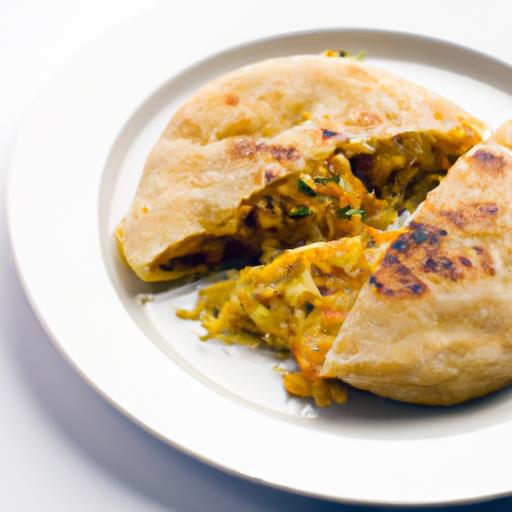
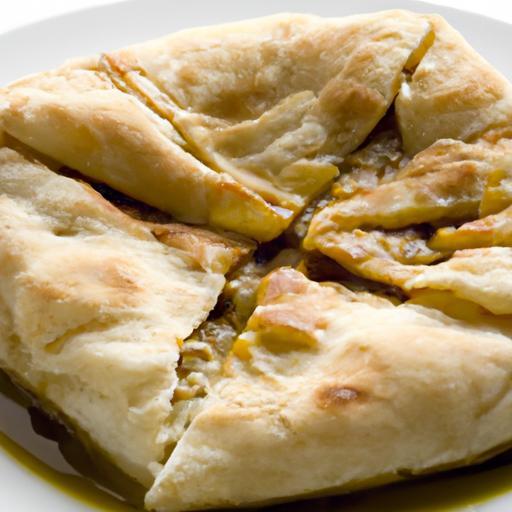
Khobz unveils a rich tapestry of North African culture through its humble yet deeply symbolic presence. This round, golden bread is more than nourishment-it is an emblem of hospitality, community, and daily ritual across Morocco, Algeria, and Tunisia. Passed down through generations, khobz embodies the art of patience and simplicity, marrying basic ingredients into a warm, fragrant staple that fills homes with the scent of tradition.
Prep and Cook Time
- Preparation: 20 minutes
- Proofing: 1 hour 30 minutes
- Baking: 20 minutes
- total: Approximately 2 hours 10 minutes
Yield
Makes 2 medium-sized loaves (serves 6-8)
Difficulty Level
Medium – Requires some kneading technique and timing patience
Ingredients
- 3 cups (360g) all-purpose flour, sifted
- 1 cup (120g) fine semolina flour (for texture and crust)
- 1 ½ tsp dry active yeast
- 1 tbsp sugar
- 1 tsp fine sea salt
- 1 ¼ cups (300ml) warm water (about 105°F / 40°C)
- 2 tbsp olive oil + extra for greasing and finishing
- Optional: 1 tbsp toasted sesame seeds for topping
Instructions
- Activate the yeast: In a small bowl, combine warm water, sugar, and yeast. Stir gently, then let it sit for 5-10 minutes until frothy. This signals the yeast is alive and ready to work.
- Mix dry ingredients: In a large mixing bowl, whisk together the all-purpose flour, semolina, and salt.
- Combine and form dough: Create a well in the center of the dry mix, pouring in the yeast mixture and olive oil. using a wooden spoon or your hands, gradually incorporate flour into the liquid until a shaggy dough forms.
- Knead for elasticity: Lightly flour a clean surface and knead the dough for 10 minutes. The dough should be soft, slightly tacky but not sticky, and spring back when poked. For best results,try folding in stretches rather than harsh scrapes to develop gluten gently.
- First rise: Lightly oil a large bowl and place the dough inside. Cover with a damp cloth or plastic wrap in a warm spot. Let the dough double in size, about 1 to 1.5 hours.
- Shape the loaves: Punch down the risen dough and transfer to a lightly floured surface. Divide into 2 equal portions.Shape each into a round, flat disk roughly 8 inches in diameter. Place on a semolina-dusted baking sheet for authentic texture and non-stick properties.
- Second rise: Cover again with a cloth and let rest for 30-40 minutes. Simultaneously occurring, preheat your oven to 450°F (230°C), placing a baking stone or inverted baking tray inside to heat.
- Prepare for baking: Right before baking, sprinkle each loaf with a thin layer of olive oil and press in some sesame seeds if desired. Using the back of a knife or a bread lame,make a few shallow crosses or slashes to help steam escape and create customary patterns.
- Bake to golden perfection: Slide the baking sheet onto the hot stone/tray and bake for 18-20 minutes,rotating halfway. The loaves should have a deep golden crust and sound hollow when tapped underneath.
- cool entirely: Transfer bread to a wire rack and let cool for at least 20 minutes prior to slicing. This resting period allows crumb structure to set beautifully.
Tips for Success
- Use semolina: It imparts a delightful crispy crust and an authentic slightly gritty texture beneath the crust.
- Water temperature: Too hot kills the yeast; too cold slows rising. Aim for warm but comfortable to the touch.
- Proofing environment: Ideal proofing is in a draft-free, warm place. A turned-off oven with the light on works wonderfully.
- Make-ahead: Dough can be refrigerated overnight to develop more flavor. Bring back to room temperature and allow to rise before shaping.
- Crust variations: For a softer crust, cover loaves loosely with foil during the last 5 minutes of baking.
Serving Suggestions
Khobz is incredibly versatile. Serve warm, brushed with olive oil or softened butter for breakfast. It pairs beautifully with Moroccan tagines, lentil soups, or spicy harissa dips. For festive occasions, break bread by hand and share it around the table to celebrate communal bonds. Garnish with fresh herbs like cilantro or sprinkle za’atar on top for an aromatic twist. accompany with olives, preserved lemons, or a bowl of honey for sweeter moments.
| Nutritional Facts per Serving | Amount |
|---|---|
| Calories | 210 kcal |
| Protein | 6 g |
| Carbohydrates | 42 g |
| Fat | 3.5 g |
Explore More North African Recipes
For further insights on the cultural significance and baking techniques of Khobz, check out the detailed resources at Britannica’s Bread Overview.

Q&A
Q&A: Khobz Unveiled – The Heartbeat of North African Bread Culture
Q1: What exactly is Khobz, and why is it so meaningful in north African culture?
A: Khobz, simply put, is the quintessential North African bread-a round, flat loaf that transcends its humble ingredients to become a cultural icon. More than just sustenance, Khobz embodies hospitality, tradition, and community. In homes from Morocco to Tunisia and Algeria, breaking Khobz together is a ritual that connects families, generations, and neighbors, making it the true heartbeat of the region’s social fabric.
Q2: How is Khobz traditionally made, and what makes it different from other breads?
A: Traditionally, Khobz is crafted from a simple blend of semolina or wheat flour, water, salt, and a touch of yeast. What sets it apart is the baking method-it’s often cooked in communal clay ovens called ferran, which infuse the bread with a unique smoky aroma and achieve a distinctive crisp crust with a tender, porous crumb inside. Its slightly thick, round shape makes it perfect for scooping up tagines, dips, and stews, so the saying: no dish is complete without a piece of Khobz.
Q3: Can you share some symbolic meanings or stories tied to Khobz?
A: Absolutely! Khobz is more than food; it’s a symbol of life and sustenance. in many North African communities,it’s believed that sharing Khobz brings blessings and prosperity. There’s a beautiful tradition: the first batch of bread from a new oven is frequently enough shared with neighbors, reinforcing bonds and goodwill. Furthermore, the circular shape represents unity, and the simple ingredients symbolize humility and gratitude-a reminder that even the most basic things nourish the soul.
Q4: How does Khobz reflect the diversity of North African culinary culture?
A: While Khobz might look similar across the region, subtle variations celebrate the rich local diversity.In Morocco, semolina often graces the dough, giving it a slightly nutty flavor and golden hue. In Algeria, some versions incorporate olive oil or anise seeds, introducing aromatic twists. These differences mirror the mosaic of berber, Arab, and Mediterranean influences that converge in North african kitchens, making Khobz a delicious tapestry of history and geography.
Q5: Why should modern food enthusiasts explore Khobz today?
A: In an era where fast food dominates, Khobz invites us to slow down and savor the art of traditional baking. It’s a gateway to understanding North African hospitality, culture, and identity. For food lovers, tasting Khobz isn’t just about flavor-it’s about connecting with stories centuries old, appreciating craftsmanship, and celebrating a bread that has fed millions both physically and culturally. Rediscovering Khobz is a journey back to the heart of community, history, and the simple joy of breaking bread together.
Insights and conclusions
As we close the chapter on our journey through the world of Khobz, we find that this humble bread is far more than just a staple on North African tables.It is a symbol woven into the very fabric of daily life-nourishing not only the body but also the spirit of community,tradition,and identity. From the rhythmic kneading of dough to the warm embrace of its golden crust, Khobz carries stories of generations past and hopes for those to come. In understanding this heartbeat of North African bread culture, we glimpse the profound ways in which food can connect us, reminding us that sometimes, the simplest ingredients hold the richest histories.