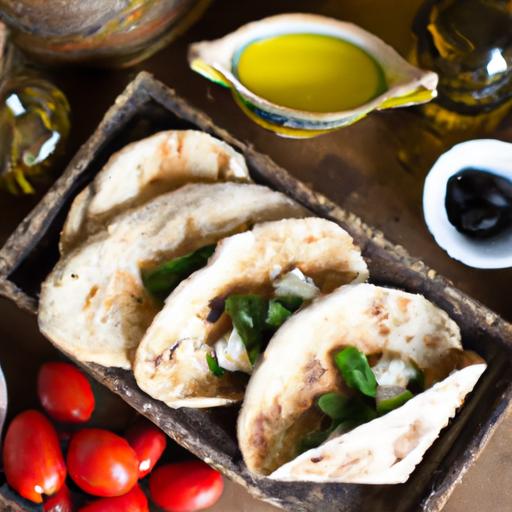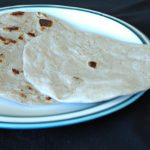

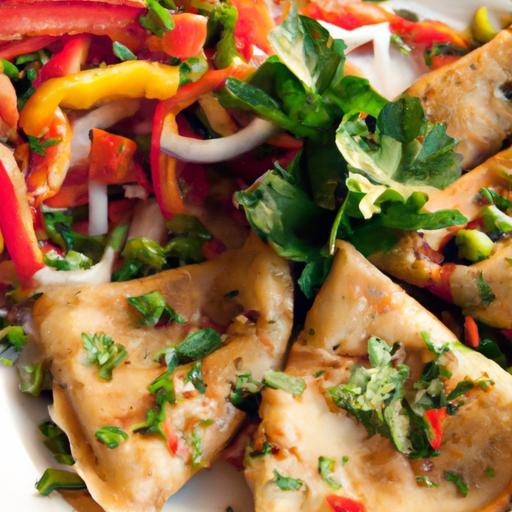
in the sun-drenched kitchens of Algeria, where tradition meets flavor in every bite, lies a culinary treasure often overlooked beyond its borders: Kesra. This humble flatbread, with its golden crust and subtle, comforting aroma, is far more than just a staple-it is a warm embrace of heritage, history, and heart. “Kesra uncovered: The Timeless Algerian Flatbread Delight” invites you on a savory journey to explore the origins,cultural significance,and simple artistry behind this beloved Algerian staple. From village ovens to modern tables, discover how Kesra continues to connect generations through its enduring taste and timeless appeal.
Origins and Cultural Significance of kesra in Algerian Heritage
Kesra, a staple in Algerian cuisine, has long been woven into the fabric of daily life and celebrations alike. This flatbread symbolizes more than sustenance; it connects generations, embodying traditions passed down through centuries. Originating from the berber communities of North Africa, Kesra’s simple ingredients and rustic readiness reflect the resourcefulness and warmth of algerian households. Whether baked over an open fire or on a traditional griddle, Kesra frequently accompanies meals ranging from everyday stews to lavish feasts, underscoring its cultural importance as both a culinary cornerstone and a unifying social element.
Mastering the Art of Kesra Preparation: Ingredients and Traditional Techniques
Mastering Kesra begins with understanding its humble list of ingredients and the traditional craftsmanship behind its preparation. The dough,composed of finely sifted semolina or durum wheat flour,a pinch of salt,warm water,and a drizzle of olive oil,is kneaded until silky smooth. this dough is then shaped into discs and cooked on a tava-a cast-iron griddle-or a heavy skillet, developing golden-brown patches and a crisp exterior that contrasts beautifully with the tender crumb inside. The rhythmic pressing and rotating of the dough during cooking ensures even heat distribution and the signature texture that transforms simple flour into an irresistible Algerian flatbread.
Prep and Cook Time
- Preparation: 15 minutes
- Resting: 30 minutes
- Cooking: 20 minutes
- Total: 1 hour 5 minutes
Yield
Produces 6 medium-sized Kesra discs (about 8 inches each), ideal for 4 to 6 servings.
Difficulty Level
Medium – requires attention to dough consistency and cooking technique for perfect results.
Ingredients
- 2 cups fine semolina flour (or a mix of 1½ cups semolina and ½ cup all-purpose flour)
- 1 teaspoon salt
- 1 tablespoon olive oil,plus extra for cooking
- 1 cup warm water,adjust as needed
- Optional: a pinch of baking powder for a slightly puffier texture
Instructions
- Combine dry ingredients: In a large mixing bowl,whisk together the semolina flour and salt (add baking powder if using) until evenly distributed.
- Add wet ingredients: Make a well in the center and pour in the olive oil followed by the warm water gradually. Mix using your hand or a spoon until the dough starts to come together.
- Knead the dough: Transfer to a lightly floured surface and knead for about 10 minutes until the dough is smooth, elastic, and slightly tacky but not sticky. Add water or flour sparingly to adjust.
- Rest the dough: Place the dough back in the bowl, cover with a damp cloth, and let it rest for 30 minutes to relax the gluten and improve texture.
- Divide and shape: Divide the dough into 6 equal portions. Roll each portion into a ball, then gently flatten into a disc roughly 8 inches in diameter and about ¼-inch thick.
- Preheat the tava or skillet: Heat over medium heat until hot but not smoking. Brush lightly with olive oil to prevent sticking.
- cook Kesra: Place one disc on the hot griddle. Cook for 4-5 minutes on the first side until golden and dotted with brown spots. flip and cook for another 4 minutes. Press gently with a spatula to encourage even cooking and puffing.
- Keep warm and repeat: Transfer cooked Kesra to a plate and cover with a clean towel to retain moisture.Repeat with remaining discs, adding oil to the pan as needed.
- Serve warm: Enjoy Kesra fresh from the griddle for the best taste and texture.
Tips for Success
- Use fine semolina: This ensures a tender crumb and authentic texture that coarse semolina can’t replicate.
- Hydration is key: Add water slowly – too much flour will make the Kesra dense,while too much water will create a sticky dough.
- Resting is non-negotiable: It softens the dough for easier shaping and yields a more delicate crumb.
- Control your heat: Medium heat prevents burning the outside while the inside cooks through perfectly.
- Make-ahead: Prepare dough in advance, wrap tightly in plastic wrap, and refrigerate for up to 24 hours. Bring to room temperature before shaping.
Pairing Kesra with Classic Algerian Dishes for an Authentic Experience
Kesra serves as the perfect edible utensil for a variety of Algerian classics. Tear into this warm flatbread to scoop up chakhchoukha, a savory lamb and vegetable stew layered with torn Kesra pieces, or enjoy it alongside mekhaledji, a robust tomato-and-pepper sauce simmered with garlic and spices. The bread’s slightly crunchy exterior and soft interior provide a delightful textural counterpoint to rich tagines and hearty bean dishes like loubia. For breakfast, pair Kesra with creamy honey, fresh butter, and strong Algerian coffee-a simple but profoundly comforting ritual that speaks to the heart of Algerian hospitality.
Innovative Twists on Kesra Recipes to Elevate your Flatbread Game
While the traditional Kesra is beloved for its simplicity, adding contemporary flair can elevate this flatbread to new culinary heights. Try incorporating aromatic herbs such as finely chopped rosemary or za’atar into the dough for a burst of mediterranean flavor. For a subtle sweetness, fold in a tablespoon of orange blossom water or a sprinkle of toasted sesame seeds before cooking. Another inventive approach is making mini-Kesras stuffed with spiced cheese, harissa, or sautéed mushrooms, turning them into tempting, bite-sized treats.For a gluten-free option that keeps the Algerian soul of Kesra intact,experiment with almond flour mixed with tapioca starch and a touch of xanthan gum,adjusting hydration carefully.
Nutritional Information (per serving)
| Nutrient | Amount |
|---|---|
| Calories | 160 kcal |
| Protein | 5 g |
| Carbohydrates | 32 g |
| Fat | 3 g |
For a deeper dive into Algerian culinary traditions, explore our Algerian Cuisine Guide. To understand more about North African grains, this FAO article on durum wheat offers excellent insights.

Q&A
Q&A: Kesra Uncovered – The Timeless Algerian Flatbread Delight
Q1: What exactly is Kesra?
A1: Kesra is a traditional Algerian flatbread,cherished for its simplicity and soul-nourishing qualities.Made from basic ingredients like semolina, water, salt, and a hint of olive oil, Kesra embodies the heart of Algerian home cooking – humble, wholesome, and endlessly satisfying.
Q2: Why is Kesra considered timeless?
A2: This flatbread has been a staple in Algerian kitchens for centuries, passed down through generations with little change. Its timelessness lies in its adaptability and comfort – whether served warm with butter and honey, wrapped around spicy stews, or enjoyed plain, Kesra remains a symbol of heritage and communal warmth.
Q3: How does Kesra differ from other flatbreads?
A3: Unlike the soft, elastic flatbreads like pita or naan, Kesra is characterized by a subtly crispy exterior and a slightly dense crumb. Its main ingredient, semolina flour, gives it a uniquely grainy texture and nutty flavor that sets it apart from wheat-dominant breads.
Q4: What occasions is Kesra traditionally made for?
A4: Kesra is a daily delight but also graces festive tables. It’s frequently enough part of breakfast spreads, afternoon teas, and communal meals during Ramadan and other celebrations. Its versatility means it can be a humble daily staple or an elegant accompaniment to rich, aromatic dishes.Q5: Can Kesra be made at home easily?
A5: Absolutely! Kesra’s beauty is in its simplicity. With just a few pantry staples and a hot griddle or skillet, anyone can recreate this beloved bread. Patience and a gentle touch in kneading and cooking yield the best results – golden, crisp, and fragrant flatbread that transports you straight to Algerian villages.
Q6: What flavors and dishes pair perfectly with Kesra?
A6: Kesra’s neutral, slightly nutty flavor acts as the perfect canvas. It pairs beautifully with savory tagines, hearty lentil soups, fresh cheeses, olives, and spreads like harissa or butter infused with herbs. For a sweet twist, try it with honey, dates, or jam.
Q7: How is Kesra reflective of Algerian culture?
A7: More than a food item, Kesra represents Algerian hospitality, simplicity, and connection to the land. Its ingredients come from the fertile Mediterranean region,and the rhythmic kneading and communal sharing echo family bonds and traditions that have stood the test of time.
Q8: Are there regional variations of Kesra within Algeria?
A8: Indeed, subtle variations exist across Algeria’s diverse regions. Some incorporate a bit of spices like anise or cumin into the dough, while others may cook it thicker or thinner depending on local customs.These nuances mirror the rich tapestry of Algerian culture blended into a single beloved bread.
Q9: What’s the best way to store Kesra?
A9: Kesra is best enjoyed fresh, straight off the griddle, but it keeps well at room temperature wrapped tightly in a cloth or plastic wrap for a day or two. For longer storage, it can be frozen and gently reheated to regain its warmth and crispness.
Q10: Why should food lovers around the world try Kesra?
A10: because Kesra offers more than flavor – it’s a bite of history,a taste of Algerian heart and hospitality.In a fast-paced world, savoring Kesra invites you to slow down, connect with tradition, and celebrate the profound joy found in simple, honest food.
Concluding Remarks
As the warm aroma of Kesra lingers in the air, we are reminded that this humble flatbread is far more than just a staple on Algerian tables-it is a symbol of heritage, warmth, and togetherness.From its simple ingredients to its rich cultural roots, Kesra invites us to savor tradition with every bite. Whether shared during festive gatherings or enjoyed quietly at home, this timeless delight continues to weave stories across generations, reminding us that sometimes, the simplest foods carry the deepest history. In uncovering Kesra, we uncover a piece of Algeria’s heart-a appetizing invitation to explore, taste, and celebrate the enduring flavors of a cherished nation.