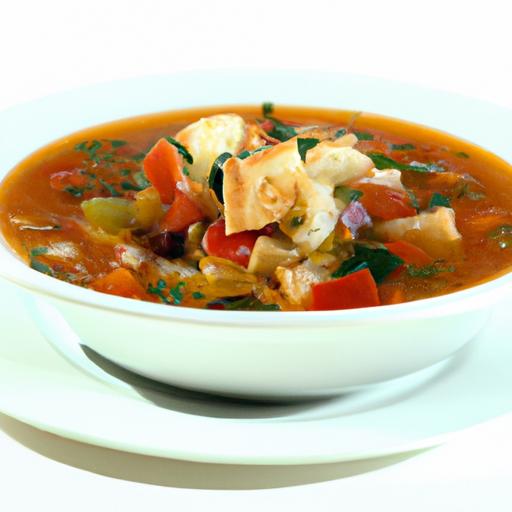

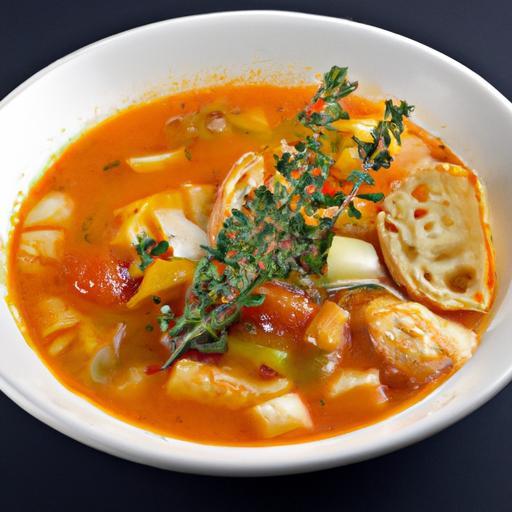
There’s a pot of history simmering on every Italian stove,rich with colors,aromas,and stories that span centuries. Minestrone, Italy’s iconic vegetable soup, is more then just a dish-it’s a culinary tapestry woven from humble ingredients and vibrant regional traditions. From the sun-drenched fields of Tuscany to the bustling markets of Naples, this hearty, soul-warming soup captures the essence of Italian life in a single bowl.join us as we embark on a flavorful journey through the heart of Italy’s favorite comfort food, uncovering the magic behind each spoonful of minestrone.
Minestrone Magic unveils the timeless heart and soul of Italian cooking through a vibrant tapestry of origins, fresh seasonal ingredients, and lovingly crafted regional variations. This rustic soup has traveled centuries, embodying Italy’s rich culinary heritage and its deep respect for nature’s bounty. From the Ligurian coast to the rolling hills of Tuscany, each bowl tells a story – one of humble peasant roots transformed into a beloved comfort food bursting with color, texture, and nourishing warmth.
The origins and Regional variations That Define Minestrone Magic
At its core, minestrone magic reflects Italy’s seasonal rhythms and geographical diversity. Originating as a simple “minestra” or broth-based vegetable stew, it evolved across regions based on locally available produce and cultural preferences.In northern Italy, heartier versions showcase root vegetables, beans, and sometimes rice or pasta, simmered slowly to achieve rich depth.Conversely, the southern variants often incorporate fresh tomatoes, zucchini, and fragrant basil, lending a lighter, sun-kissed profile.Ligurian minestrone is especially unique, featuring pesto stirred in at the end to add herbal richness.
Each regional interpretation embraces minestrone magic as a canvas – a celebration of Italia’s fertile soil and the art of “cucina povera” (peasant cooking) that transforms simple ingredients into soulful fare. This pluralism in styles invites you to personalize your soup, whether you choose a chunky tomato base, a creamy Amaranto puree, or a pasta-studded broth simmered to perfection.
Seasonal Ingredients and Fresh Flavors to Elevate Your soup
What truly differentiates minestrone magic is the vibrant freshness from seasonal vegetables sourced at their peak. Early spring inspires snapping peas, asparagus tips, and tender baby greens. Summer brings bounty from garden tomatoes,sweet corn,zucchini,and fragrant herbs like thyme and basil. Autumn highlights roasted squash,kale,and carrots,while winter invites the creaminess of potatoes,leeks,and hearty beans.
Layering these fresh flavors is key: start with sautéed aromatics like garlic and onions in rich olive oil, then add robust herbs, slow-cooked beans, and the chosen mix of vegetables. A splash of quality vegetable or chicken broth amplifies natural sweetness. Finish with freshly grated Parmesan or pecorino, a drizzle of extra virgin olive oil, and a crack of black pepper – quintessential touches that elevate every spoonful.
Secret Tips for achieving the Perfect hearty Texture
Creating the ideal texture is where minestrone magic truly shines. Balancing the soft tenderness of cooked beans and root vegetables with the slight bite of al dente pasta or rice is essential. To achieve this:
- Soak and precook beans: Use dried cannellini or borlotti beans soaked overnight and simmered gently before adding to the soup for a melt-in-your-mouth richness.
- Add pasta late: Stir in small pasta shapes such as ditalini or elbow macaroni just 10 minutes before finishing to prevent overcooking.
- Partially puree the soup: Use an immersion blender to swirl through half the minestrone, thickening the broth while preserving chunkiness.
- Maintain layering: Cook hardy vegetables like carrots and celery first, adding quicker-cooking items later to keep their fresh texture intact.
- Rest before serving: Letting minestrone sit for 10-15 minutes after cooking allows flavors to meld and textures to harmonize beautifully.
Pairing Minestrone Magic with Conventional Italian Breads and Wines
Nothing complements minestrone magic like the warm crust of traditional Italian bread and a carefully selected wine that highlights the soup’s vibrant earthiness. Rustic breads-such as a crusty ciabatta,focaccia studded with rosemary,or a dense pane di Altamura-are perfect for soaking up every flavorful drop.
For wine, opt for light to medium-bodied reds like Chianti or Barbera, whose bright acidity pairs beautifully with the soup’s tomato and herb notes. In summer, consider a chilled Vermentino or Pinot Grigio to refresh the palate alongside fresher versions. These pairings not only enhance the dining experience but also honor Italy’s holistic gastronomic tradition where soup, bread, and wine coexist in flavorful harmony.
Prep and Cook Time
- Prep time: 25 minutes (plus 8 hours soaking beans if using dried)
- Cook time: 1 hour 15 minutes
Yield
- 6 hearty servings
Difficulty Level
- Medium - Requires multiple steps but approachable for home cooks
Ingredients
- 1 cup dried cannellini beans (soaked overnight and drained)
- 3 tablespoons extra virgin olive oil
- 1 large onion, finely diced
- 2 cloves garlic, minced
- 2 medium carrots, peeled and chopped
- 2 stalks celery, chopped
- 1 medium zucchini, diced
- 2 large ripe tomatoes, peeled and chopped
- 4 cups vegetable broth
- 1 cup water
- 1 cup small pasta shapes (ditalini or elbow macaroni)
- 1 cup kale or spinach leaves, chopped
- 1 teaspoon dried thyme
- 1 teaspoon dried oregano
- Salt and freshly ground black pepper to taste
- Fresh basil leaves for garnish
- Grated Parmesan cheese, for serving
Instructions
- Prepare the beans: Drain soaked beans and simmer in a pot with fresh water for about 45 minutes or until tender but not mushy.Drain and set aside.
- Sauté the vegetables: In a large soup pot, heat olive oil over medium heat. Add diced onion, garlic, carrot, and celery.Sauté until golden brown, about 7 minutes, stirring occasionally to prevent sticking.
- Add zucchini and tomatoes: Stir in diced zucchini and tomatoes, cooking another 5 minutes to soften and release their juices.
- Add herbs and liquids: Sprinkle in thyme and oregano. Pour in vegetable broth and 1 cup water. Bring mixture to a simmer.
- Simmer the soup: Add cooked beans to the pot. Let the soup simmer gently for 20 minutes, uncovered, stirring occasionally.
- Add greens and pasta: Stir in chopped kale or spinach along with the pasta.Cook for another 10 minutes or until pasta is al dente and greens are tender.
- Adjust seasoning: Taste and season with salt and freshly ground black pepper as desired.
- Finish and serve: Remove from heat. Let the soup rest for 10 minutes before serving. Garnish with fresh basil and a generous sprinkle of grated Parmesan cheese. Drizzle with extra virgin olive oil if desired.
Chef’s Notes
- Bean substitutes: Cannellini can be swapped for borlotti or navy beans for a different texture and flavor.
- Make-ahead tip: Prepare soup base in advance, refrigerate, and add pasta and greens fresh before serving to maintain texture.
- Vegetarian/vegan option: Use vegetable broth and omit Parmesan or replace it with nutritional yeast.
- Texture variation: For a creamier base, puree half the soup with an immersion blender before adding pasta.
- Flavor booster: Stir in a tablespoon of pesto just before serving for Ligurian-inspired depth.
Serving Suggestions
Present steaming minestrone magic in rustic bowls accompanied by thick slices of toasted ciabatta or a rosemary focaccia. A wedge of fresh lemon adds a bright contrast, encouraging a gentle squeeze over each bowl.Pair with a glass of chilled Pinot Grigio or a glass of Chianti to complete the meal. A light green salad with olives and fennel alongside will harmonize perfectly for a genuine Italian feast.
| Nutrient | Per Serving |
|---|---|
| Calories | 280 kcal |
| Protein | 12 g |
| Carbohydrates | 45 g |
| Fat | 5 g |
Explore our guide on traditional italian breads to perfect your meal pairing. For more on Italy’s culinary heritage and minestrone’s roots, read this detailed Britannica article.

Q&A
Q&A: Minestrone Magic – A Hearty Journey Through Italy’s Favorite Soup
Q1: What makes minestrone such a beloved staple in Italian cuisine?
A1: Minestrone is the epitome of comfort and tradition wrapped into one steaming bowl. Its magic lies in versatility-melding seasonal vegetables, beans, pasta or rice, and savory broth into a harmonious medley. Rooted deeply in Italian home cooking, it reflects the country’s love for fresh, local ingredients and the art of transforming humble elements into something soulful and satisfying.
Q2: Where did minestrone originate, and how has it evolved over time?
A2: Minestrone’s roots stretch back to ancient Rome, where thick vegetable broths were a thrifty way to feed families. Over centuries, regional variations blossomed-Tuscan versions might feature cannellini beans and kale, while Ligurian styles highlight pesto’s aromatic punch. This evolving soup mirrors Italy’s diverse landscapes and culinary creativity, adapting while remaining grounded in simplicity.
Q3: What are the essential ingredients that define a classic minestrone?
A3: At its core, minestrone is a celebration of fresh vegetables such as onions, carrots, celery, zucchini, and tomatoes, alongside hearty beans-often borlotti or cannellini. A good soffritto (the aromatic base of onion, carrot, and celery) infuses depth, while small pasta shapes like ditalini add chewiness. Herbs like thyme, bay leaf, and a sprinkle of Parmesan cheese often finish the dish with savory warmth.
Q4: How does minestrone reflect the seasons?
A4: Minestrone is a seasonal chameleon. In spring and summer, it bursts with tender green beans, peas, and zucchini, showcasing vibrant freshness. Come autumn and winter, it turns heartier, incorporating root vegetables, cabbage, and sturdier beans to provide nourishment and cozy comfort. This seasonal adaptability not only honors Italy’s agricultural rhythms but also makes minestrone a soup for year-round joy.
Q5: Can minestrone be customized for dietary preferences?
A5: Absolutely! Minestrone’s plant-based foundation makes it naturally vegan and gluten-free (when pasta is omitted or substituted). It’s a canvas for creativity-swap in quinoa for a protein punch, add spicy chili flakes for kick, or finish with a drizzle of rich olive oil to elevate flavors. This openness allows everyone to savor Italy’s favorite soup in a way that suits their taste and lifestyle.
Q6: Why does minestrone still resonate strongly in modern kitchens worldwide?
A6: Minestrone’s enduring appeal lies in its comfort,nutrition,and adaptability-a soul-warming antidote to fast food culture. It invites cooks of all skill levels to engage with fresh produce and simple techniques, delivering a dish that feels both timeless and trendproof. Sharing a steaming bowl taps into a worldwide desire for hospitality, nourishment, and the magic of a homemade meal.
Q7: What’s a pro tip for preparing the perfect minestrone at home?
A7: patience is key-build flavors slowly by sautéing your soffritto gently until sweet and golden, and simmer the soup long enough to allow the vegetables and beans to meld beautifully. Add pasta toward the end to prevent overcooking, and never underestimate a final grating of Parmesan or a splash of good olive oil to transform your pot of minestrone into something truly magical.
To Wrap It Up
As we savor the final spoonfuls of this beloved Italian classic, it’s clear that minestrone is much more than just a soup-it’s a vibrant celebration of Italy’s rich culinary heritage and the bountiful bounty of its seasons. From humble village kitchens to bustling city trattorias, minestrone continues to warm hearts and nourish bodies with its comforting blend of fresh vegetables, fragrant herbs, and nourishing beans. Whether enjoyed as a simple meal or elevated with a touch of culinary flair, this hearty bowl of goodness invites us all to take part in a timeless tradition-one that reminds us that magic often lies in the most wholesome and straightforward flavors. So next time you ladle out a steaming bowl of minestrone, remember: you’re tasting a story woven through centuries, regions, and bowls alike, crafted with love, patience, and a sprinkle of Italy’s soul. Buon appetito!