
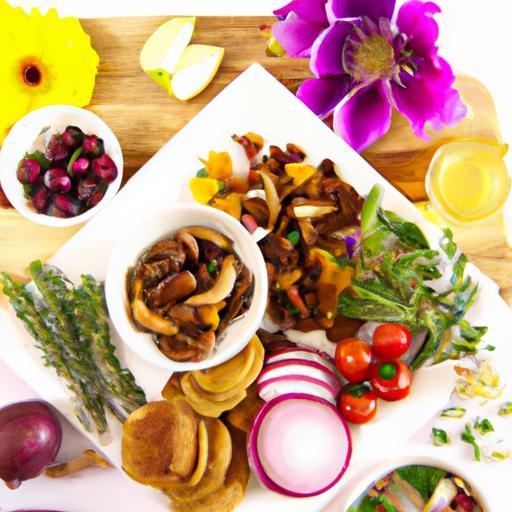
Step into a world where fragrant spices dance with vibrant ingredients, adn every bite tells a story woven thru centuries. Persian cuisine is more than just food-it’s a festivity of culture, history, and artistry on a plate. From the tangy zest of pomegranate and the subtle warmth of saffron to the tender embrace of slow-cooked meats and fresh herbs, iranian dishes offer a symphony of flavors waiting to be discovered. In this article, we invite you to savor Persia through 15 authentic recipes that capture the heart and soul of Iranian cooking, bringing the exotic charm of the Middle East right into your kitchen. Whether you’re a seasoned chef or a curious foodie, prepare to embark on a tasty journey filled with tradition, taste, and the true essence of Persia.
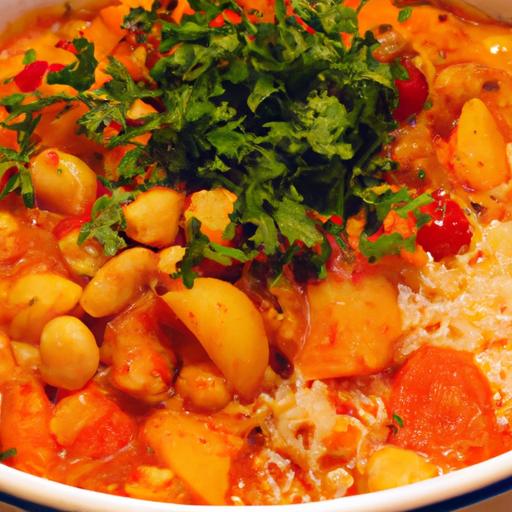
Savor Persia takes you on an unforgettable culinary journey with this classic Iranian dish that eloquently encapsulates the soul of persian cooking: ghormeh Sabzi. A timeless stew brimming with fragrant herbs, tender lamb, and tart dried limes, this beloved recipe reveals the mastery of conventional techniques and the deep respect for local, fresh ingredients. Originating from the heart of Iran’s vibrant culinary heritage, it’s more than food-it’s a celebration of regional flavors carried through generations.
Prep and Cook Time
- Preparation: 20 minutes
- Cooking: 2 hours 30 minutes
- Total Time: 2 hours 50 minutes
Yield
Serves 6 hearty portions
Difficulty Level
Medium – Best for home cooks ready to explore authentic Iranian cooking techniques
Ingredients
- 500g lamb shoulder, cut into 1-inch cubes
- 2 tablespoons vegetable oil
- 1 large onion, finely chopped
- 1 teaspoon turmeric powder
- 4 dried Persian limes (limoo amani), pierced with a knife
- 200g fresh parsley, finely chopped
- 100g fresh cilantro, finely chopped
- 50g fresh fenugreek leaves (or 1 tablespoon dried fenugreek)
- 1 cup red kidney beans, soaked overnight and drained
- Salt and black pepper, to taste
- 4 cups water or beef broth
Instructions
- Brown the lamb: Heat the vegetable oil in a large heavy-bottomed pot over medium heat. Add the chopped onion and sautée until golden, about 8 minutes. Add turmeric and stir for 30 seconds to release its aroma. Add lamb cubes, stirring occasionally until browned on all sides, about 7 minutes.
- Sear the herbs: In a separate pan, dry-fry the parsley, cilantro, and fenugreek over medium heat for 5 minutes until fragrant and slightly darkened. Be careful not to burn the herbs; this step enhances the stew’s deep green color and aroma.
- Combine ingredients: Transfer the toasted herbs to the pot with lamb and onions. Add the soaked kidney beans,pierced dried limes,and 4 cups water or broth.
- Simmer low and slow: Bring to a boil, then reduce the heat to low, cover, and let simmer gently for 2 to 2.5 hours, stirring occasionally. The long simmer melds flavors perfectly and tenderizes the lamb.
- Final seasoning: Taste and season with salt and black pepper. If the stew is too thick,add a bit more hot water to reach your preferred consistency.
- Rest before serving: let the stew sit for 10 minutes off the heat before serving; this helps the flavors mature further.
Tips for Success
- Use fresh herbs whenever possible for the moast vibrant color and flavor. If fresh fenugreek is unavailable, dried fenugreek leaves are a fine substitute but add them sparingly – they’re potent.
- Soak your kidney beans overnight to prevent hardness; canned beans can be used but rinse thoroughly to reduce excess salt.
- Prick the dried Persian limes a few times with a knife-they release a uniquely tangy aroma essential to the dish’s character without overwhelming bitterness.
- For a vegetarian twist, substitute lamb with hearty mushrooms or eggplant, and use vegetable broth instead of meat broth.
- Ghormeh Sabzi tastes even better the next day when reheated, so consider making it ahead for a truly authentic experiance.
Serving Suggestions
Traditionally served piping hot alongside steamed saffron-infused basmati rice, Ghormeh Sabzi shines with a sprinkle of fragrant saffron threads and a wedge of fresh lemon or lime to brighten the palate. Garnish with fresh herbs like chopped parsley or green onions for a splash of color. Complement the meal with crisp, cool yogurt or mast-o-khiar (yogurt cucumber dip) to balance the stew’s rich, herbal depth. For an inviting table, offer flatbread to mop up every drop of this luscious stew.

| Nutrient | Per Serving |
|---|---|
| Calories | 350 kcal |
| Protein | 28 g |
| Carbohydrates | 22 g |
| Fat | 15 g |
For deeper exploration of Persian rice recipes to accompany your Iranian dishes, visit our dedicated guide. To learn more about the rich cultural heritage behind dried Persian limes, explore Britannica’s resource on limoo amani.
Q&A
Q&A: Dive into Persian Flavors with “Savor Persia: 15 Authentic iranian Recipes to Cook at Home”
Q1: What makes Persian cuisine unique compared to other Middle Eastern foods?
A: Persian cuisine is a beautiful tapestry of flavors, balancing sweet, sour, savory, and aromatic elements in every dish. Unlike some Middle Eastern cuisines that lean heavily on spices, Persian dishes focus on fresh herbs, subtle spices like saffron and turmeric, and the creative use of fruits such as pomegranate and quince. This delicate interplay creates nuanced tastes that tell stories of ancient traditions and diverse regional influences.
Q2: Will “Savor Persia” be accessible for home cooks who are new to Iranian food?
A: Absolutely! The recipes are thoughtfully curated for both beginners and seasoned cooks. Each recipe includes clear instructions, tips for sourcing authentic ingredients, and alternative options. The guide also demystifies lesser-known staples like dried limes and rosewater, ensuring you can confidently recreate Persian meals in your own kitchen.
Q3: What are some standout dishes featured in this collection?
A: From the iconic saffron-infused jeweled Rice (shirin Polo), bursting with nuts and fragrant orange zest, to the comforting Ghormeh Sabzi, a beloved herb stew rich with kidney beans and tender lamb, the recipes span the breadth of Persian culinary artistry. You’ll also find treats like crispy,turmeric-laced Tahdig (rice crust) and the vibrant Kashk-e Bademjan,an eggplant dip that marries smoky and tangy flavors.
Q4: How does this cookbook honor tradition while encouraging creativity?
A: “Savor Persia” respects the centuries-old recipes passed through generations, presenting them authentically while offering creative variations to suit modern palates and ingredient availability. It invites you to engage with the cuisine-not just replicate dishes-encouraging experimentation with herbs, spices, and pairings.Q5: Can I find vegetarian or gluten-free options among the recipes?
A: Yes! Persian cuisine naturally includes many vegetable-forward dishes that are vegetarian and even vegan-pleasant. Such as, the spiced lentil soup and several fresh herb salads fit dietary restrictions beautifully. the guide also highlights ingredient swaps to adapt meals for gluten-free cooks without sacrificing flavor.
Q6: What cultural insights can readers expect from “Savor Persia”?
A: Beyond recipes, the article weaves in fascinating tidbits about Persian hospitality, seasonal festivals, and the symbolic meanings behind certain dishes. For instance, how a shared meal during Nowruz (persian New Year) represents renewal or the importance of saffron as a symbol of warmth and life. these insights deepen your connection to the food and enrich the cooking experience.Q7: How will cooking these recipes transform my approach to home cooking?
A: Embracing Persian recipes invites mindfulness-selecting ingredients with intentionality, appreciating the layering of flavors, and honoring rituals around preparing and sharing food.It encourages slowing down, savoring each step, and ultimately turning your kitchen into a fragrant, colorful haven that celebrates community and tradition.Q8: Where can I find the ingredients needed to make these authentic Iranian dishes?
A: many ingredients like dried limes, saffron, and sumac can often be found in Middle Eastern or specialty grocery stores, as well as online. The article provides helpful sourcing tips, and when certain items are hard to find, it suggests suitable substitutes without compromising authenticity.Q9: How does “Savor Persia” inspire a culinary journey beyond just cooking?
A: The article invites readers to explore Persian culture through its food-encouraging curiosity about the history, poetry, and hospitality that are integral to the Iranian dining experience. Cooking becomes a portal to storytelling,connection,and a deeper recognition of a rich culinary heritage.
Whether you’re a curious foodie or a seasoned chef, Savor Persia promises a flavorful adventure into one of the world’s most enchanting cuisines-right from your own kitchen. ready your spices, and let the aromas of Iran transport you!
Insights and Conclusions
as you close the chapter on these 15 authentic Iranian recipes, may your kitchen become a vibrant tapestry of saffron, pomegranate, and fragrant herbs. Savoring Persia isn’t just about the flavors-it’s a journey through centuries of culture, tradition, and warmth shared around the table. Whether you start your day with a comforting bowl of ash reshteh or end it with the delicate sweetness of saffron ice cream, each dish invites you to experience Iran’s rich culinary heritage from the comfort of your home. So gather your ingredients, ignite your passion for cooking, and let these recipes be your passport to a world where every bite tells a story.