
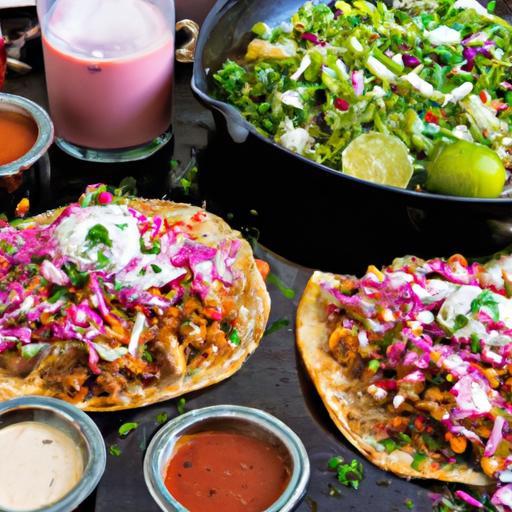
The vibrant streets of Mexico are alive with a symphony of sizzling sounds, mouthwatering aromas, and vivid colors-an irresistible invitation to savor one of the country’s most beloved culinary treasures: huaraches. More than just a meal, huaraches are a flavorful journey into Mexico’s rich cultural tapestry, blending indigenous traditions with lively street food innovation. These oval-shaped, masa-based delights, topped with an array of savory ingredients, have carved their place not only in the hearts of locals but also in the global street food scene. Join us as we explore the origins, ingredients, and enduring appeal of huaraches-a sizzling staple that tells the story of Mexico’s gastronomic soul with every bite.
Huaraches are more than just a beloved Mexican street food-they are a vibrant culinary symbol rooted in tradition and bursting with flavor. Originating in Mexico City, these oval-shaped masa cakes draw their name from the sandal-like shape reminiscent of the indigenous footwear called “huaraches.” This iconic dish combines a crispy, slightly chewy base with a tapestry of fresh toppings and savory fillings, making each bite an explosion of textures and tastes that perfectly capture the essence of Mexico’s street food culture.
Prep and Cook Time
- preparation: 25 minutes
- Cooking: 20 minutes
- total: 45 minutes
Yield
Serves 4 hungry food lovers
Difficulty Level
Medium – Perfect for those ready to elevate their masa skills
Anatomy and Ingredients of a Classic Huarache
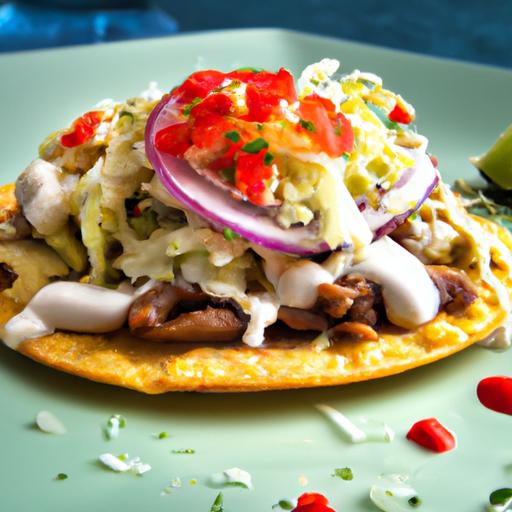
A conventional huarache starts with a humble yet essential base: fresh masa dough made from finely ground corn. This oval base is lightly fried to a golden crisp on the outside, creating a sturdy platform for an array of toppings. The typical huarache is dressed with layers of refried beans or crisp carnitas, topped with fresh crumbled queso fresco, cool shredded lettuce, vibrant diced tomatoes, tangy Mexican crema, and a final drizzle of fiery salsa verde or smoky chipotle sauce.
Ingredients
- 2 cups masa harina (corn flour for tortillas), sifted
- 1 ¼ cups warm water
- ½ tsp salt
- 1 cup refried beans (homemade or canned)
- 1 cup cooked carnitas or shredded grilled chicken
- ½ cup crumbled queso fresco
- 1 cup shredded lettuce
- 1 medium tomato, finely diced
- ½ cup Mexican crema
- ½ cup salsa verde or chipotle salsa
- Vegetable oil, for frying
- Fresh cilantro and lime wedges, for garnish
Instructions
- Prepare the masa dough: In a large bowl, mix masa harina, salt, and warm water until a smooth, pliable dough forms.It should hold together without cracking. Cover with a damp cloth to keep moist.
- Shape the huaraches: Divide dough into 8 equal portions.On a lightly oiled surface, press each portion into an oval shape about ½ inch thick, about 6 inches long.
- Fry the huaraches: Heat ⅓ cup vegetable oil in a heavy skillet over medium heat. Fry each huarache for 3-4 minutes per side or until golden and slightly crispy. Drain on paper towels.
- Layer the toppings: Spread about 2 tablespoons of refried beans evenly over each huarache’s surface. Add a generous layer of carnitas (or chicken), then sprinkle crumbled queso fresco on top.
- Add fresh elements: Top with shredded lettuce, diced tomatoes, and drizzle with Mexican crema and salsa to taste.
- Garnish and serve: Finish with fresh cilantro leaves and lime wedges on the side for an extra zing.
Tips for Success
- For authentic flavor, try making your own refried beans from scratch using pinto beans and lard or oil.
- If masa dough feels dry, add water sparingly-too wet can make huaraches soggy.
- Use a cast iron skillet or comal for even frying and the best crispy crust.
- For a vegetarian option, swap carnitas with sautéed mushrooms or grilled nopales (cactus paddles) to keep vibrant traditional textures.
- Huaraches can be made ahead up to frying stage and refrigerated; reheat on a skillet before adding toppings.
Serving suggestions
Serve huaraches steaming hot on rustic wooden boards or colorful Mexican Talavera plates to celebrate their street-food origins. Pair with chilled aguas frescas like hibiscus or tamarind to balance the rich flavors. Garnish with sliced radishes and pickled jalapeños for a crunch and mild heat. Accompany the dish with a side of light mexican rice or charred corn esquites for a full, festive meal.
| Nutrient | Per Serving (1 huarache) |
|---|---|
| Calories | 420 kcal |
| Protein | 18 g |
| Carbohydrates | 46 g |
| Fat | 15 g |

For those craving to explore the diverse world of Mexican street food beyond huaraches, discover more traditional dishes here. To dive deeper into the rich history of masa and its role in Mexican cuisine,the mexconnect article on masa is an excellent resource.
Q&A
Q&A: Exploring Mexico’s Iconic Sizzling Street food – Huaraches
Q1: What exactly are huaraches in the world of Mexican street food?
A1: Despite sharing a name with a type of traditional Mexican sandal,huaraches in street food refer to a delicious,oblong-shaped masa (corn dough) base-thinner than a gordita but thicker than a taco shell-griddled to perfection and topped with an array of savory ingredients. Picture a sizzling, slightly crispy corn platform loaded with beans, meat, cheese, salsa, and fresh garnishes that create a symphony of textures and flavors.
Q2: How did huaraches get their unique name?
A2: The huarache tortilla’s shape is reminiscent of the sole of a huarache sandal, a traditional mexican footwear. This iconic shape and hearty size make huaraches instantly recognizable and give them a rustic charm that connects the dish directly to Mexico’s cultural heritage.
Q3: What distinguishes huaraches from other popular Mexican staples like tacos or quesadillas?
A3: While tacos are usually small and folded, and quesadillas are filled tortillas griddled until melty, huaraches are larger, thicker, and flat. They serve as a sturdy “plate” made from hand-pressed masa, frequently enough topped rather than stuffed, providing a hearty bite that’s somewhere between a tostada and a gordita in texture and experience.
Q4: What are the traditional toppings that make huaraches so distinct?
A4: Traditional huaraches are layered with refried beans or mashed black beans as a creamy base, then crowned with marinated grilled meats like carnitas (slow-cooked pork), carne asada (grilled beef), or spicy chorizo. fresh lettuce, diced onions, creamy panela or queso fresco, tangy salsa roja or verde, and a drizzle of Mexican crema complete the vibrant spread, balancing smoky, savory, and fresh notes.
Q5: Can huaraches be spicy, or are they mild enough for all palates?
A5: huaraches are versatile! you can customize the spice level with different salsas-some are mild and tangy, others pack a fiery punch with chilies like jalapeños or chipotles. Plus, the freshness of the toppings and the mild masa help balance the heat, making the dish approachable whether you crave bold spice or gentle flavors.
Q6: Where in Mexico can one find the best huaraches?
A6: huaraches originated from Mexico City’s vibrant street food scene, where vendors perfected the recipe over decades. Today, you can find authentic huaraches at bustling street markets, food stalls, and casual eateries throughout Mexico-each adding regional twists. from the central highlands to coastal towns, the huarache remains a beloved comfort food staple.
Q7: How can someone make huaraches at home?
A7: To make huaraches at home, start by mixing masa harina with water and salt to form a soft dough. Shape it into elongated ovals and press to an even thickness. Cook on a hot griddle or comal until lightly charred and cooked through. Then slather on refried beans, add your preferred cooked meat, sprinkle cheese and chopped onions, and finish with fresh salsa and crema. It’s a fun, creative way to bring a taste of Mexico’s vibrant street food into your kitchen.
Q8: Why do huaraches remain so popular in mexican culture?
A8: Huaraches offer more than flavor-they’re a festivity of Mexican culinary ingenuity, history, and community spirit. Affordable, filling, and endlessly customizable, they bring people together on busy streets, late nights, and festive occasions. Their sizzling, savory allure embodies the heart of Mexico’s street food culture, making each bite a delicious connection to tradition.
Insights and Conclusions
From the bustling street corners of Mexico City to the vibrant markets of oaxaca, huaraches stand as a sizzling testament to Mexico’s rich culinary heritage. More than just a meal, these oval-shaped corn tortillas piled high with beans, meats, and fresh toppings tell stories of tradition, innovation, and community with every bite. Whether your a seasoned foodie or a curious traveler, exploring the world of huaraches opens a flavorful window into Mexico’s street food culture-where every sizzling platter invites you to savor a piece of history, one mouthwatering layer at a time. So next time you crave a taste adventure, let the humble huarache guide you through the vibrant streets and timeless flavors that make Mexico’s food scene truly iconic.