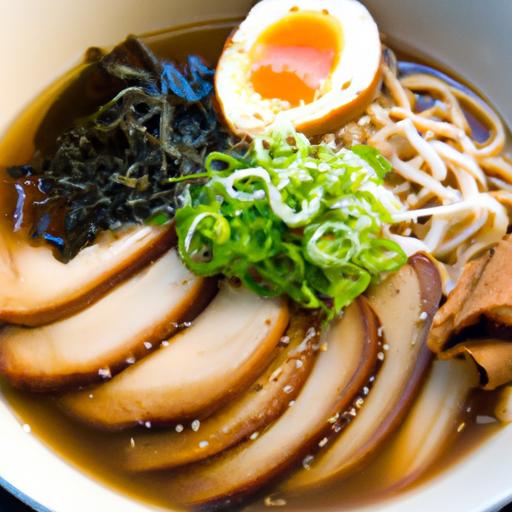

There’s something deeply satisfying about a steaming bowl of ramen-its rich broth, tender noodles, and vibrant toppings coming together in perfect harmony. While this beloved Japanese dish has found its way onto menus worldwide, crafting homemade ramen takes the experience to a whole new level. Embarking on this flavorful journey at home not only unlocks endless possibilities for customization but also connects you with the art and tradition behind every slurp. In this article, we’ll explore the essentials of making ramen from scratch, guiding you through broth planning, noodle crafting, and ingredient selection-turning your kitchen into a sanctuary of savory bliss.
Crafting Homemade Ramen: A Flavorful Journey at Home
Crafting homemade ramen is a gratifying culinary adventure that takes you deep into the heart of Japan’s beloved noodle soup. Originating from humble street stalls, ramen has evolved into a dish celebrated for its intricate flavors and textures. At its core, this flavorful journey at home hinges on selecting the right ingredients, mastering broth techniques, handcrafting noodles, and curating toppings that personalize each bowl to your taste. Whether you’re seeking comfort on a chilly evening or designing an elegant meal for guests, these steps bring authentic ramen right to your kitchen.
Prep and Cook Time
- Preparation: 45 minutes
- Cooking: 3 hours (includes broth simmering)
- Total: 3 hours 45 minutes
Yield
Serves 4 generously sized bowls of ramen.
Difficulty Level
Medium – Ideal for home cooks ready to take thier skills to the next level.
Ingredients
- Broth Base: 4 lbs pork bones (preferably knuckles and neck bones), blanched
- Aromatics: 1 large onion, halved; 6 cloves garlic, smashed; 3-inch piece ginger, sliced
- Water: 12 cups filtered water
- Shoyu tare (soy sauce seasoning): 1 cup soy sauce; 1/2 cup mirin; 1/4 cup sake; 2 tbsp sugar
- Noodles: 4 cups all-purpose flour, sifted; 1 tsp baking soda; 1/2 tsp salt; 1 1/2 cups warm water
- Toppings Plate: Soft-boiled eggs, braised pork belly (chashu), sliced green onions, bamboo shoots (menma), toasted nori sheets, corn kernels, narutomaki slices, toasted sesame seeds
- Oil: 2 tbsp neutral vegetable oil, for sautéing aromatics
Instructions
- Prepare the broth: Start by blanching the pork bones in boiling water for 10 minutes to remove impurities. Drain and rinse bones thoroughly under cold water.
- Simmer bones and aromatics: Transfer bones to a large stockpot, add 12 cups filtered water, onion, garlic, and ginger. Bring to a gentle boil and reduce to a low simmer.Skim the surface frequently enough to remove scum, and let simmer uncovered for at least 3 hours to extract deep flavors.
- Make shoyu tare: While broth simmers, combine soy sauce, mirin, sake, and sugar in a saucepan over medium heat. Stir until sugar dissolves, then simmer for 5 minutes. Set aside to cool.
- Handcraft the noodles: For the noodles, mix sifted flour, baking soda, and salt in a large bowl. Slowly add warm water while stirring until a shaggy dough forms.Knead by hand on a floured surface for 10 minutes until smooth and elastic. Wrap and rest for 30 minutes.
- Roll and cut noodles: Using a pasta roller or rolling pin, flatten dough to about 1/16 inch thickness. Dust with flour and fold,then slice noodles into thin strips (about 1/8 inch wide). Unfold and hang or spread to dry slightly before cooking.
- Cook noodles: Boil a large pot of water. Cook noodles for 1-2 minutes until al dente.Drain quickly and rinse under cold water to stop cooking and firm texture.
- Assemble the bowl: Reheat broth and strain to clarify. Ladle broth into bowls and add a spoonful of shoyu tare to taste. Add cooked noodles, and artfully arrange your choice of toppings for a visually stunning finish.
Tips for Success
- For a richer broth, roast the pork bones before boiling to enhance umami depth.
- When kneading noodles, avoid adding too much flour; a sticky dough yields lighter noodles.
- Simmer broth slowly; rapid boiling clouds your broth and mutes delicate flavors.
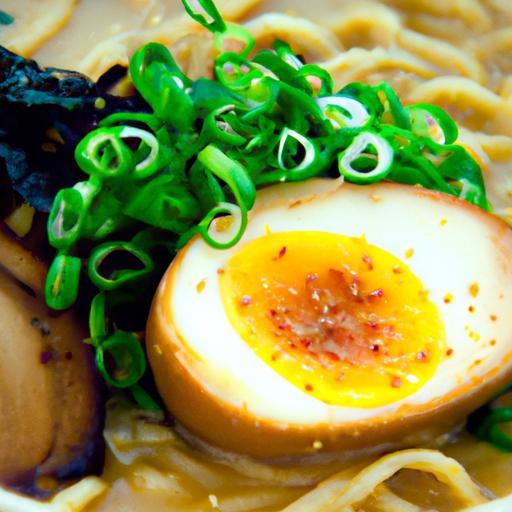
- Soft-boil eggs to achieve a custardy yolk by cooking for exactly 6 minutes, followed by an ice bath.
- Make broth and tare in advance to deepen flavors-some say ramen tastes better the next day.
Serving Suggestions
Place noodles centrally in deep bowls, ladle hot, clear broth generously around, and artistically layer toppings for contrast-rich chashu slices, vibrant green onions, and glossy, soy-marinated eggs. Garnish with a sprinkle of toasted sesame seeds and a crisp nori sheet leaning on the rim. Serve promptly with chopsticks and a porcelain spoon for an authentic experience that invites savoring every sip and bite.

Nutritional Information per Serving
| Calories | Protein | Carbs | Fat |
|---|---|---|---|
| 520 kcal | 35 g | 60 g | 15 g |
For additional inspiration on mastering Japanese noodle dishes, explore our Japanese noodle Recipes Collection, or deepen your understanding of traditional broth making with the detailed guide at Serious Eats.
Q&A
Q&A: crafting Homemade Ramen – A Flavorful Journey at Home
Q1: Why shoudl I make ramen at home instead of buying instant noodles?
A1: While instant noodles offer convenience, homemade ramen is an immersive experience that elevates a simple bowl into a complex symphony of textures and flavors. Crafting ramen from scratch allows you to tailor every ingredient-broth, noodles, toppings-to your taste, transforming a quick meal into a culinary adventure.
Q2: What’s the secret to achieving an authentic ramen broth?
A2: The magic lies in patience and quality ingredients. Whether it’s a rich tonkotsu pork broth simmered for hours or a light shoyu soy-based broth, slow-cooking bones, aromatics, and seasonings extracts deep umami flavors. Don’t rush the process; lovingly coaxing flavors over time rewards you with a bowl brimming with soulful depth.
Q3: Can I make ramen noodles from scratch, or should I buy them?
A3: making ramen noodles at home is a rewarding challenge! fresh noodles bring a springy texture that store-bought varieties can’t match. All you need is basic wheat flour, water, and a bit of alkaline salt (kansui) to achieve that signature chewiness. But if time is tight, high-quality fresh or dried noodles work wonderfully too.
Q4: What are some must-have toppings to complete my homemade ramen?
A4: Toppings are where creativity shines! Classic options include tender chashu pork, marinated soft-boiled eggs with silky yolks, crisp bamboo shoots, fresh scallions, and nori seaweed. Feel free to experiment with corn, mushrooms, or even a splash of chili oil to personalize your bowl.
Q5: How can I infuse my ramen with unique flavors without overwhelming authenticity?
A5: Think of ramen as a canvas. Start with foundational broths and seasonings, then layer in subtle twists-perhaps a hint of smoked paprika, a splash of yuzu citrus, or roasted garlic oil. Balancing innovation with tradition keeps your bowl exciting yet respectful of ramen’s rich heritage.
Q6: What equipment do I need to embark on my homemade ramen journey?
A6: A sturdy pot for broth simmering, a mixing bowl for noodles, a fine strainer, and perhaps a bamboo mat if you’re rolling fresh noodles. Beyond tools, a spirit of curiosity and patience is your best companion.
Q7: How long dose it typically take to make homemade ramen from start to finish?
A7: Depending on the broth style and whether you make noodles from scratch,expect anywhere from 2 to 6 hours. It’s not a quick fix, but the process encourages mindfulness and rewardingly slow cooking-perfect for a weekend culinary project.
Q8: Any tips for first-timers attempting homemade ramen?
A8: Begin with a simple broth like shoyu or miso and pre-made noodles to build confidence. Mastering small steps before diving into more complex recipes ensures success and keeps the flavorful journey enjoyable. Remember, every great ramen starts with a single perfect slurp!
embarking on the homemade ramen journey turns your kitchen into a haven of rich aromas and vibrant flavors. With patience and creativity, each bowl you craft tells a delicious story-one spoonful at a time.
Final Thoughts
Embarking on the journey of crafting homemade ramen transforms a simple meal into an artful experience-one where patience and creativity blend as harmoniously as broth and noodles. Each step, from simmering the rich, savory stock to layering in fresh ingredients, invites you to slow down and savor the process as much as the result. beyond being a delightful culinary project, homemade ramen connects you with a tradition steeped in history and comfort, right within your own kitchen. So, next time the craving strikes, embrace the adventure of crafting your own bowl-because the most flavorful ramen is the one made with care, curiosity, and a pinch of your own personal touch.