
when it comes to turning up the heat in your kitchen,few ingredients spark more debate adn delight than harissa and chili. Though both bring a fiery kick to your meals, their origins, flavor profiles, and culinary uses tell very different stories. Whether you’re craving the smoky depth of North African harissa or the straightforward punch of chili peppers, understanding these bold flavors can transform ordinary dishes into unforgettable feasts. Join us as we dive into the vibrant world of harissa versus chili-exploring their unique characteristics,cultural roots,and how each can elevate your cooking to new,tasty heights.
Harissa vs Chili: Spicing Up Your Dishes with Bold Flavors opens a vibrant gateway into the diverse world of chili-based condiments. rooted in North African tradition, harissa is a fragrant, fiery paste that plays a starring role in countless recipes, while the broader category of chili pepper offers a spectrum of heat and flavors globally. Understanding their unique characteristics will empower you to elevate dishes with intentional complexity and cultural finesse.
Prep and Cook Time
- Preparation: 10 minutes
- Cook Time: 5 minutes
- Resting Time (optional): 30 minutes for flavors to meld
Yield
- Approximately 1 cup of batch-made harissa paste
- Ideal for 6-8 servings when used as a condiment or marinade
Difficulty Level
- Easy to Medium – approachable for home cooks yet rewarding for enthusiasts
Ingredients
- 8 dried red chilies (preferably guajillo, pasilla, or a mix), stems and seeds removed
- 2 cloves garlic, peeled
- 1 tbsp tomato paste
- 1 tsp ground coriander
- 1 tsp ground cumin
- 1/2 tsp smoked paprika
- 2 tbsp extra virgin olive oil, plus more for storing
- 1 tbsp lemon juice (freshly squeezed)
- 1 tsp sea salt
- Optional: a pinch of caraway seeds or a drizzle of honey to balance heat
Instructions
- Soak the dried chilies in hot water for 20 minutes until softened. This step mellows their intensity and brings out deep flavors.
- Drain and transfer chilies to a blender or food processor. Add garlic, tomato paste, ground coriander, cumin, smoked paprika, lemon juice, and salt.
- Process until smooth, slowly adding olive oil in a steady stream to emulsify the mixture into a rich, glossy paste.
- Transfer the harissa to a small bowl, taste, and adjust seasoning. add a touch of honey if you wish to tame the heat subtly.
- Let the harissa rest for at least 30 minutes to allow the flavors to meld perfectly before serving.
- Store any unused portion in a jar, topped with a layer of olive oil to preserve freshness, refrigerated for up to two weeks.
Chef’s Notes: Tips for Success
- Choose dried chilies according to your desired heat level-mild guajillos offer smokiness without extreme spice, while pasillas add earthiness.
- If fresh chilies are more accessible, substitute 3-4 medium red fresnos or fresher types adjusted for heat.
- Use a food processor rather than a blender for better texture control.
- Enhance complexity by lightly toasting spices before grinding to amplify their aromas.
- Harissa’s flavor deepens if kept refrigerated for 1-2 days, making it an excellent make-ahead condiment.
- To reduce heat for milder palettes, remove seeds meticulously or add extra tomato paste and olive oil.
Serving Suggestions
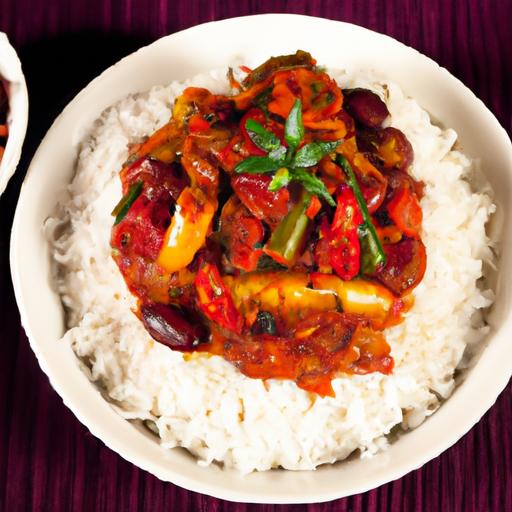
- Swirl freshly made harissa into grilled meats like lamb or chicken for a smoky, spicy kick.
- Stir into soups and stews for a warming depth; excellent in lentil or root vegetable dishes.
- Spread on flatbreads or toasted sourdough with soft cheeses such as labneh or ricotta.
- use as a marinade base or dipping sauce with roasted root vegetables or fried halloumi.
- Pair harissa alongside a dollop of cooling yogurt and fresh herbs to balance heat elegantly.
| Nutrient | Per 1 tbsp Harissa (approx.) | Per 1 tbsp Chili Sauce (average) |
|---|---|---|
| Calories | 35 kcal | 20 kcal |
| Protein | 1 g | 0.5 g |
| Carbohydrates | 4 g | 3 g |
| Fat | 2.5 g (mostly from olive oil) | 0 g – 1 g (varies by sauce) |
| Vitamin C | 10% DV | 8% DV |
Exploring Culinary Uses and Pairing Suggestions
Integrating harissa into your kitchen vernacular transforms everyday dishes into bold, sensory experiences. Unlike simple ground chili powders or common hot sauces, harissa embodies layers of smoky, sweet, and tangy notes thanks to its blend of spices and chili varieties. Its thick paste consistency means it adheres beautifully to proteins, vegetables, and grains.
Consider pairing harissa with Mediterranean staples like couscous and chickpeas, or as a luscious addition to creamy hummus. Chili flakes and fresh chilies simultaneously occurring offer greater versatility in heat levels and can be sprinkled, infused, or cooked directly to tweak dishes globally-from Mexican salsas to Asian stir-fries.
Health Benefits and Nutritional Comparisons
Both harissa and fresh chilies provide notable health-supporting compounds. Capsaicin, responsible for their heat, has been linked to metabolism boost and inflammation reduction. The presence of potent antioxidants in the spices used (like cumin and coriander) adds anti-inflammatory and digestive benefits.
Harissa’s olive oil base supplies heart-healthy monounsaturated fats, distinguishing it from manny chili sauces that are water or vinegar-based and often contain added sugars or preservatives. This nutritional edge makes harissa not only a flavorful choice but a nourishing one.
Tips for Incorporating Harissa and Chili into Your Cooking Routine
- start small: Add harissa by spoonfuls rather than dollops, especially if you’re new to bold heat.
- Balance flavors: Counterbalance harissa’s intensity with creamy or acidic components like yogurt, lemon, or tahini.
- Layer spice: Combine harissa with fresh chilies or flakes for nuanced heat progression in dishes.
- Marinade magic: Use harissa as a marinade base to infuse proteins with complex heat well ahead of cooking.
- DIY versatility: Whip up fresh batches of harissa to ensure your chili flavor palette remains vibrant and custom.
To further expand your spice horizons, explore our Mexican salsa recipe for a fresh contrast in chili applications. For in-depth health info, visit Healthline’s detailed chili benefits guide.

Q&A
Q&A: Harissa vs Chili – Spicing Up Your Dishes with Bold Flavors
Q1: What exactly is harissa, and how does it differ from regular chili?
A: Harissa is a vibrant north African chili paste blending roasted red peppers, smoky spices like cumin and coriander, garlic, olive oil, and sometimes preserved lemon. Unlike plain chili flakes or powders, harissa is a complex, aromatic condiment-both spicy and deeply flavorful-offering layers of taste beyond heat alone.
Q2: Can’t I just use chili powder or fresh chili instead of harissa?
A: While chili powder or fresh chili gives you pure heat or a straightforward peppery bite, harissa is more of a flavor powerhouse. It adds not only heat but also smoky, tangy, and savory notes, bringing richness and depth that transform simple dishes into complex culinary adventures.
Q3: How hot is harissa compared to regular chili peppers?
A: harissa generally has a moderate to high heat level, but it’s rarely as fiery sharp as some raw chili varieties like bird’s eye or habanero. The heat is balanced by othre ingredients, making it more approachable-think of a warm, flavorful spice hug rather than a shock of heat.
Q4: What kinds of dishes work best with harissa versus plain chili?
A: Harissa shines in stews, roasted vegetables, grilled meats, or even as a marinade-anywhere you want to layer in smoky richness with a spicy kick. It’s fantastic mixed into couscous, drizzled over eggs, or stirred into yogurt for cooling contrast. Plain chili is perfect when you want to add sharp, direct heat: sprinkle on tacos, in salsas, or infused into oils.
Q5: Can I make my own harissa at home?
A: Absolutely! homemade harissa is a delicious project: roast and blend dried or fresh chilies with garlic, spices, olive oil, and a pinch of salt. Tailor it to your spice tolerance and flavor preferences-smokier, tangier, or earthier-and enjoy a personalized jar of bold flavor.
Q6: Are there different types of harissa?
A: Yes! While Tunisian and Moroccan varieties are the most common, you’ll find some versions with more smoked peppers, others with hotter chilis, and some incorporating additional ingredients like tomatoes or smoked paprika. Each reflects regional tastes, so experimenting can reveal delightful nuances.
Q7: How should I store harissa?
A: Keep harissa refrigerated in an airtight jar, and cover the surface with a thin layer of olive oil to preserve freshness. Properly stored, it can last for weeks, making it a handy flavor boost for your kitchen adventures.Q8: Can harissa be used in desserts or drinks?
A: While unconventional, harissa’s smoky heat can add unexpected zing to certain sweet applications-think chocolate chili brownies or a spicy twist in cocktails. It’s a creative frontier for the adventurous palate!
Q9: What’s the best way to balance harissa’s heat if a dish gets too spicy?
A: Balance heat with acidity (lemon juice or vinegar), fat (yogurt, cream, or olive oil), or sweetness (a touch of honey or sugar). These elements mellow the spice and enhance harissa’s complex flavors without dulling the fire.
Q10: In a nutshell, why choose harissa over plain chili to spice up my dishes?
A: Harissa is more than spice-it’s a soulful ingredient that layers heat with aromatic spices, smoky richness, and a Mediterranean charm. Choosing harissa is choosing flavor depth and vibrant personality for your dishes, transforming simple meals into bold culinary stories.
In Conclusion
Whether you’re drawn to the smoky, complex depths of harissa or the straightforward heat of chili, both bring vibrant character to your culinary creations. Embracing these bold flavors opens a world of possibilities, transforming everyday meals into unforgettable experiences. Next time you reach for a spice to ignite your dish, remember: whether with harissa’s North African flair or chili’s global punch, you’re not just adding heat-you’re telling a flavorful story on your plate. So go ahead, experiment boldly, and let your taste buds embark on a fiery adventure.