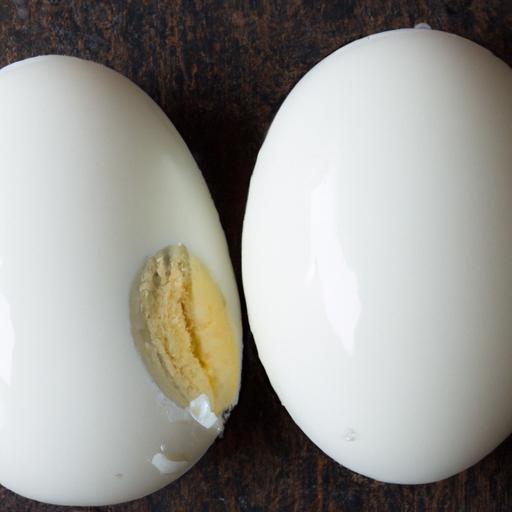

There’s something deceptively simple about the humble hard-boiled egg. At frist glance, it’s just an egg transformed by steam or boiling water into a solid snack-but achieving that flawless balance of creamy yolk and tender white is both science and art. From the chemistry of heat and timing to subtle techniques passed down through kitchens, the journey to a perfectly hard-boiled egg is a blend of precision and intuition. In this article, we’ll crack open the secrets behind this timeless culinary classic, exploring how understanding the science can elevate an everyday staple into a deliciously crafted masterpiece.
Mastering the heat and timing when working with eggs is a delicate balance deeply rooted in the unique composition of the egg itself. When striving for perfectly hard-boiled eggs, understanding the science behind the change of yolks and whites under heat is essential to consistent, flawless results every time.
Prep and Cook Time
- Readiness: 5 minutes
- Cooking: 9-12 minutes (depending on size and freshness)
- Cooling: 10 minutes
- Total Time: Approx. 25-30 minutes
Yield
- 4 perfectly hard-boiled eggs
Difficulty Level
- Easy
Ingredients
- 4 large fresh eggs, at room temperature
- Water, enough to cover the eggs by 1 inch
- 1 tsp baking soda (optional, for easier peeling)
- Ice cubes and cold water, for the ice bath
Instructions
- Prepare your pot. Use a medium saucepan large enough to hold your eggs in a single layer. Fill it with cold water to cover the eggs by about 1 inch, ensuring even heat distribution and gentle cooking.
- Add baking soda. Stir in 1 teaspoon of baking soda. This weakly alkaline habitat helps loosen the egg membrane, promoting easier peeling after boiling.
- Bring to a gentle boil. Place the pot on medium-high heat and bring the water to a rolling boil without overcrowding the eggs.Avoid rapid boiling to reduce the chance of cracks.
- Start timing. Once boiling, promptly reduce heat to medium-low to maintain a simmer. Set your timer for 9 minutes for creamy yet fully set yolks or 12 minutes for firmer, classic hard-boiled yolks.
- Immerse in ice bath. As soon as time is up, transfer the eggs quickly to a bowl filled with ice and cold water. This stops the cooking instantly and prevents the yolks from developing that greenish-gray ring.
- Peeling like a pro. tap each egg gently against a hard surface, rolling to crack all over. Peel under running water to help separate the shell from the tender whites smoothly.
Tips for Success
- Egg Composition Matters: Fresher eggs hold moisture better but can be tougher to peel. For optimal peeling, eggs about a week old are ideal.
- Simmer, don’t boil. Vigorous boiling agitates the eggs causing cracks and uneven cooking; a gentle simmer keeps whites tender and yolks creamy.
- The Ice Bath Secret: Never skip the ice bath – it not only cools eggs down quickly but also contracts the egg inside the shell, easing peeling.
- Crack Prevention: Start with room temperature eggs. Sudden temperature changes can cause shell fracturing.
- Storage: Unpeeled hard-boiled eggs store well for up to one week in the refrigerator, perfect for meal prep or snacking.
Serving Suggestions
Present your perfectly hard-boiled eggs halved on a rustic wooden board garnished with a sprinkle of flaky sea salt,cracked black pepper,and fresh chopped chives. Pair with crunchy radishes or creamy avocado slices for a vibrant, satisfying snack or salad topper. For a classic touch, drizzle a little high-quality olive oil and sprinkle smoked paprika to elevate the humble egg to a gourmet delight.

| Nutrient | Per Egg (Large) |
|---|---|
| Calories | 78 kcal |
| Protein | 6.3 g |
| Carbohydrates | 0.6 g |
| Fat | 5.3 g |
For a deeper dive into the science of eggs and cooking methods, explore our extensive guide to cooking eggs. Additionally,the USDA Food Safety and Inspection Service offers valuable resources on safe egg handling and storage.
Q&A
Q&A: The Science and Art of Perfectly Hard-Boiled Eggs
Q1: Why is boiling an egg seemingly simple but frequently enough results in disappointing outcomes?
A1: Boiling an egg appears straightforward-just toss it in hot water, right? Though, the egg’s delicate chemistry and structure make it surprisingly tricky. The egg white and yolk coagulate at different temperatures,and factors like cooking time,water temperature,egg size,and even freshness all play crucial roles. To long, and you get a rubbery white or a greenish yolk rim; too short, and the center remains runny. It’s a culinary balancing act between science and intuition.
Q2: What happens inside the egg when you boil it?
A2: As heat penetrates the eggshell, proteins in the egg white start to unravel and form new bonds, transforming from a translucent jelly to an opaque solid. This coagulation begins around 140°F (60°C) and continues until about 180°F (82°C).The yolk thickens at a slightly higher temperature. If overheated, sulfur compounds in the white react with iron in the yolk, causing that characteristic green-gray ring around the yolk – not toxic, but aesthetically unappealing.
Q3: How does the freshness of an egg affect the boiling outcome?
A3: Fresh eggs have a lower pH and firmer whites,which can stick to the shell’s inner membrane,making peeling a challenge. Older eggs become more alkaline and have larger air pockets, which help shells peel off more easily after boiling. Thus, slightly older eggs (about a week old) frequently enough yield that dreamed-of smooth, peelable surface.
Q4: What’s the ideal method to achieve the “perfect” hard-boiled egg?
A4: One reliable method is starting eggs in cold water, bringing it to a gentle boil, then removing the pot from heat and letting the eggs steep for around 10-12 minutes. This gentle cooking reduces cracking and overcooking.Immediately plunging eggs into an ice bath halts the cooking process, cools the eggs for easy handling, and aids in shell separation.
Q5: Can altitude or kitchen equipment influence the process?
A5: Absolutely! At higher altitudes, water boils at lower temperatures, which means eggs need a longer time in boiling water to reach proper coagulation internally. Additionally, heating source precision (gas vs.electric stovetop), pot material, and even how many eggs you boil at once can subtly shift cooking times. Expanding your egg-boiling expertise means adapting to your unique environment.
Q6: Are there creative twists to hard-boiling eggs beyond the classic method?
A6: Yes! Chefs and home cooks experiment with steaming eggs rather of boiling,which frequently enough produces a creamier texture and easier peeling. Some infuse flavors by cooking eggs in tea or spice-infused water. The ”ombegg” technique involves removing part of the white before boiling to create a more elegantly shaped yolk. These artistic interpretations show how science meets creativity in the humble hard-boiled egg.
Q7: How can I know when my hard-boiled egg is “perfect”?
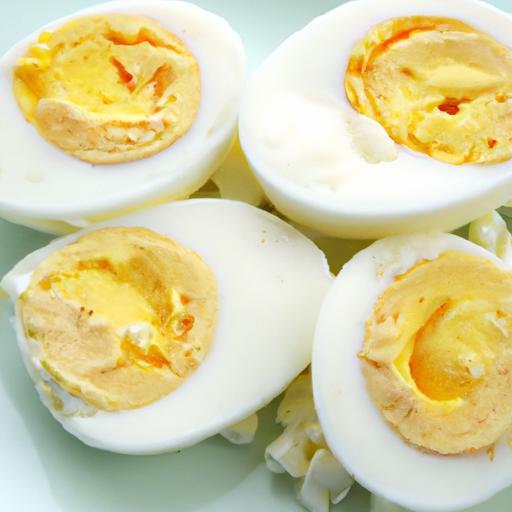
A7: The perfect hard-boiled egg boasts a firm yet tender white and a yolk that’s fully set without chalkiness or discoloration. Slice it open and look for a bright yellow center free of gray-green rings.Texture should be creamy, not powdery. The shell should peel away smoothly, leaving an intact, smooth egg beneath – a small culinary triumph!
Egg boiling is a sublime blend of chemistry, timing, and a pinch of artistry. Master these elements, and cracking into a perfectly hard-boiled egg becomes a joyful, sensory delight every time.
closing Remarks
As we crack open the secrets behind the perfectly hard-boiled egg,it becomes clear that this humble kitchen staple is much more than a simple snack-it’s a delicate dance between science and art. From understanding the chemistry of heat and proteins to mastering timing and technique, achieving that ideal texture and flavor requires both knowledge and intuition. So next time you set a pot to boil, remember: each egg holds a world of culinary potential, waiting to be unlocked by your thoughtful hands. Embrace the process, experiment with precision, and savor the satisfying simplicity of an egg done just right-a small masterpiece born from the perfect balance of nature and nurture.