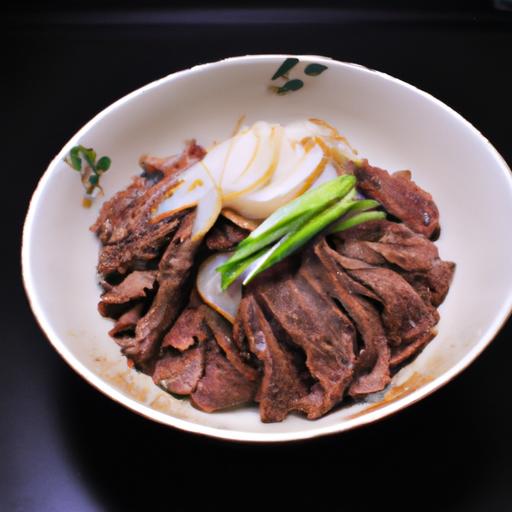

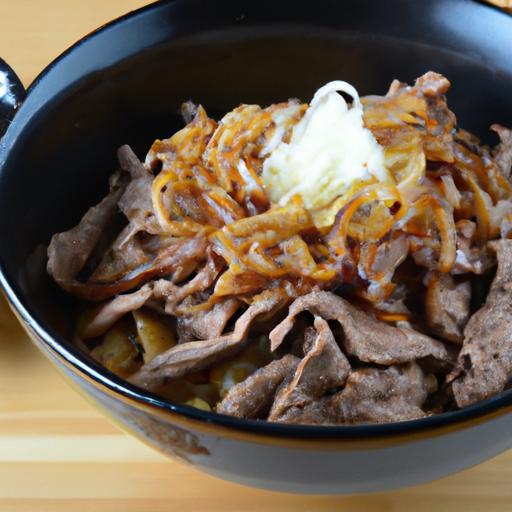
In the bustling heart of Tokyo’s street food culture lies a humble dish that has captured the hearts-and appetites-of food lovers worldwide: Gyudon, the iconic Japanese beef bowl. More then just a meal,Gyudon is a comforting embrace of tender,thinly sliced beef simmered in a savory-sweet sauce,delicately layered atop steaming white rice. But what transforms this simple combination into a culinary masterpiece? Mastering Gyudon means unlocking the secrets of authentic flavors, perfect ingredient balance, and time-honored cooking techniques passed down through generations. In this guide, we’ll delve deep into the art of crafting the perfect Gyudon, empowering you to bring a taste of Japan’s beloved comfort food right into your own kitchen. Whether you’re a curious beginner or a seasoned cook seeking authenticity, prepare to embark on a flavorful journey that celebrates tradition, simplicity, and undeniable satisfaction.
Mastering Gyudon brings you into the heart of Japanese comfort food, where simple yet authentic ingredients combine to create a bowl bursting with warmth and umami. Originating as a quick meal for Tokyo’s busy workers during the Meiji era, Gyudon’s magic lies in its harmonious balance of flavors and tender, thinly sliced beef gently simmered in a delicately crafted sauce. This recipe empowers you to recreate that authentic experience at home – from selecting the right beef cuts to perfecting the layered tastes of the sauce that marry sweetness with savory depth.
prep and Cook Time
Preparation: 15 minutes
Cooking: 15 minutes
Total Time: 30 minutes
Yield
Serves 4 generous bowls
Difficulty Level
Easy to Medium – perfect for home cooks ready to elevate their Japanese culinary skills
Ingredients
- 500g thinly sliced beef ribeye or sirloin (preferably well-marbled for tenderness)
- 1 large onion, thinly sliced
- 1 cup dashi stock (see how to make authentic dashi)
- 3 tablespoons soy sauce (use japanese shoyu for authentic flavor)
- 2 tablespoons mirin (sweet rice wine)
- 1 tablespoon sake
- 1 tablespoon sugar (preferably granulated or caster sugar)
- Steamed Japanese short-grain rice, for serving
- Pickled red ginger (beni shoga), for garnish
- Chopped green onions, for garnish
Crafting the Perfect Sauce
At the core of this dish, the sauce balances sweetness and umami through careful blending of soy sauce, mirin, sake, and sugar with the dashi’s rich depth. The dashi lends a subtle oceanic essence, acting as a savory backbone that complements the caramelized onion’s natural sweetness and the richly flavored beef. The sugar and mirin gently amplify the sauce’s sweetness without overpowering, ensuring a rounded bite that feels indulgent yet balanced.
Techniques for Tender, Flavorful Beef
- Choosing and slicing beef: Select thinly sliced beef ribeye or sirloin for even cooking and tenderness. If unavailable, ask your butcher to slice beef thinly against the grain. Briefly freezing the beef will make slicing easier and cleaner.
- Onion preparation: Thinly sliced onions cook down to sweet softness,which layers the dish with a mellow crunch that dissolves beautifully into the sauce.
- Sautéing: Begin by sautéing onions in a splash of oil until translucent and just turning golden, about 5 minutes. This step is essential for developing sweet, caramelized undertones.
- Simmering: Add dashi, soy sauce, mirin, sake, and sugar to the onions and bring to a gentle simmer. Add the beef in batches and cook just until it loses its raw pink color-overcooking will toughen the meat and mute flavor.
- Resting: Let the mixture rest off the heat to allow flavors to meld deeply before serving over hot steamed rice.
Step-by-Step Instructions
- Prepare the beef: If not pre-sliced, partially freeze the beef and slice it thinly against the grain into strips approximately 2-3mm thick.
- Slice the onion: Peel and cut the onion into thin half-moons for even cooking and sweetness.
- Sauté onions: heat 1 tablespoon of vegetable oil in a deep skillet or saucepan over medium heat. Add sliced onions and sauté until soft and lightly golden, about 5 minutes, stirring frequently.
- Add sauce base: Pour in the dashi stock, soy sauce, mirin, sake, and sugar. Stir gently and bring the mixture to a simmer.
- simmer beef: Add the sliced beef gradually, stirring to separate strips. Simmer for 2-3 minutes until beef just changes color. avoid overcooking to keep the meat tender.
- Rest and thicken: Lower heat and let the gyudon sit for 2-3 minutes,allowing sauce to thicken slightly and flavors to merge.
- Serve immediately: Spoon hot steamed Japanese rice into bowls, then ladle the beef and sauce mixture generously on top.
- Garnish: Top each bowl with pickled red ginger and chopped green onions for brightness and a pop of color.
Tips for Success
- beef Selection: Using ribeye or sirloin ensures a tender, juicy result due to marbling. For leaner options, flank steak can work but requires careful watch on cooking time.
- Dashi Stock: Homemade dashi elevates the dish immensely but instant dashi powder is an acceptable shortcut.
- Slicing Thinly: The thinner the beef slices, the faster they cook and the more tender your gyudon will be. Keep them uniform in thickness.
- Sauce Balance: Adjust sweetness by varying sugar and mirin ratios. taste before simmering and tweak to your desired balance of sweet and savory.
- Make-Ahead: Prepare the sauce and beef mixture in advance and reheat gently to maintain tenderness. Avoid boiling when reheating to prevent tough meat.
Serving Suggestions
Present your gyudon in deep bowls to keep the warmth locked in and complement with the classic zesty pickled ginger and freshly chopped green onions. A side of miso soup or a crisp cucumber sunomono salad pairs beautifully to round out this hearty meal. For an indulgent touch, add a soft poached egg or a dollop of Japanese mayonnaise to introduce a creamy silkiness that melts into every bite.

| Nutrient | Per Serving |
|---|---|
| Calories | 480 kcal |
| Protein | 30 g |
| Carbohydrates | 55 g |
| Fat | 15 g |
For a deeper dive into Japanese home cooking techniques, check out our Japanese Home cooking Basics guide and enhance your culinary journey.To learn more about the cultural history behind Gyudon,visit the Japan guide’s detailed article on Gyudon.
Q&A
Q&A: Mastering Gyudon – Your Authentic Japanese Beef Bowl Recipe Guide
Q1: What exactly is Gyudon, and why is it so beloved in Japan?
A1: Gyudon, or “beef bowl,” is a comforting Japanese dish consisting of thinly sliced beef and onions simmered in a savory-sweet sauce, served over a bed of steaming white rice. Its popularity stems from its perfect harmony of flavors, affordability, and lightning-fast preparation-making it a staple for busy workers and families alike.
Q2: What makes an authentic Gyudon different from other beef and rice bowls?
A2: Authentic Gyudon shines through its delicate balance of ingredients-using thinly sliced high-quality beef, sweet onions, and a dashi-based broth infused with soy sauce, mirin, and sake. Unlike Western beef bowls that tend to be heavier or greasier, Gyudon is light yet deeply flavorful, with the umami of kombu and bonito flakes subtly enhancing the broth’s depth.
Q3: Which cuts of beef work best for Gyudon?
A3: The secret lies in the beef’s thinness and tenderness! Thinly sliced ribeye or sirloin cuts, frequently enough cut paper-thin in Japanese markets, are ideal. This thin slicing allows the beef to absorb the broth quickly and cook just right-tender but not tough. if you can’t find pre-sliced beef, freezing a thicker cut slightly and slicing it thinly yourself works wonders.
Q4: How do I capture that signature Gyudon broth flavor at home?
A4: The broth is the soul of Gyudon! Start with a dashi base-either from kombu and bonito flakes or instant dashi powder for convenience. Then mix in soy sauce for saltiness, mirin for sweetness, and sake for complexity. Simmer onions gently to soften and sweeten them naturally. The magic is in simmering just enough to meld the flavors without overcooking.
Q5: Is Gyudon difficult to prepare for beginners?
A5: Not at all! Gyudon is actually one of the most approachable Japanese dishes you can make. The key is having your ingredients ready and controlling your simmer time.It’s perfect for weeknight dinners-you’ll have a satisfying meal ready in under 30 minutes,with plenty of room to tweak flavors to your liking.
Q6: What are some popular toppings or accompaniments to enhance Gyudon?
A6: Traditional toppings include a raw or soft-poached egg (onsen tamago) that adds creaminess, pickled ginger (beni shoga) for a luminous tangy contrast, and a sprinkle of shichimi togarashi (Japanese chili pepper mix) for an exciting kick.Serve with miso soup and steamed veggies for a full, balanced meal experience.
Q7: Can Gyudon be adapted for dietary preferences, like vegetarian or low-carb?
A7: Absolutely! For a vegetarian twist, substitute beef with thinly sliced tofu or mushrooms, and use vegetable broth instead of dashi. For low-carb enthusiasts, serve the beef and onions over cauliflower rice or konjac rice instead of traditional white rice. The umami-rich sauce still delivers all the comforting flavors you crave.
Q8: Any tips for making Gyudon restaurant-quality at home?
A8: Yes! Use fresh, high-quality ingredients and don’t rush the simmering process-let the onions reach their natural sweetness. Also, serve immediately after assembling to enjoy the beef’s tender texture and the rice’s warmth. don’t forget the garnishes-they bring authenticity and visual appeal that elevate the dish.
Whether you’re a novice hungry for a quick dinner or an adventurous home cook chasing authentic Japanese flavors, mastering Gyudon offers a delicious gateway into Japan’s culinary soul-one tasty bowl at a time!
Key takeaways
As you’ve uncovered the secrets behind Gyudon’s tender, savory layers and learned to balance its subtly sweet and umami-rich flavors, you’re now equipped to bring a slice of authentic Japanese comfort into your own kitchen. Mastering this beloved beef bowl isn’t just about following a recipe-it’s about embracing a culinary tradition that celebrates simplicity, quality ingredients, and heartwarming satisfaction in every bite. So grab your favorite donburi bowl, pour a steaming scoop of fragrant rice, and let your homemade Gyudon transport you to the bustling streets of Tokyo, one unforgettable spoonful at a time.your journey into authentic Japanese cuisine has only just begun.