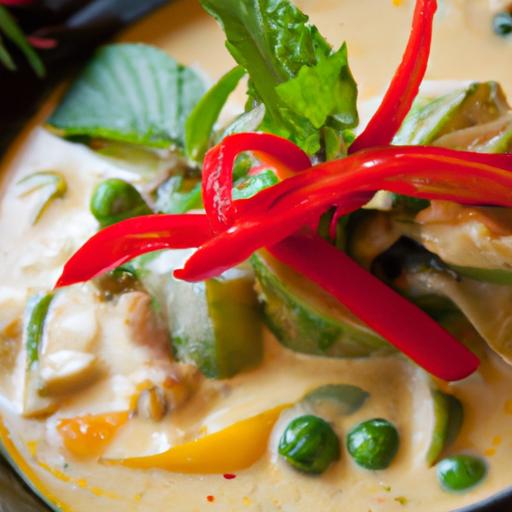

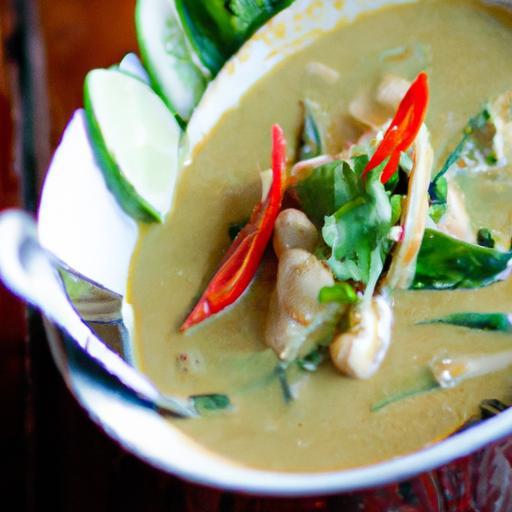
Steeped in the lush landscapes and rich culinary heritage of Thailand, green curry stands as a vibrant emblem of flavor and tradition. More than just a dish, it’s a sensory journey that weaves together the luminous, aromatic notes of fresh herbs, the creamy embrace of coconut milk, and the bold kick of green chilies. In “Green Curry Unveiled: A Vibrant Taste of Thai Tradition,” we delve deep into the origins, ingredients, and cultural significance of this beloved curry, uncovering the stories that bring it’s distinctive green hue and complex taste to life. Join us as we explore how green curry not only tantalizes the palate but also offers a colorful glimpse into the heart of Thai cuisine.
Green Curry Unveiled carries an irresistible story woven through centuries of Thai culinary artistry. Originating from the central plains of Thailand, this richly aromatic dish is prized not only for its vibrant green hue but for its harmonious interplay of sweet, spicy, savory, and creamy flavors.
This dish,frequently enough enjoyed during family gatherings or festive celebrations,embodies the essence of Thai identity.Each spoonful tells a tale of fresh herbs hand-ground into a pungent curry paste,mingling with the luscious creaminess of coconut milk,and the gentle heat from green chilies that awaken the senses without overpowering.
Prep and Cook Time
- Planning: 20 minutes
- Cooking: 30 minutes
- Total Time: 50 minutes
yield
Serves 4 generous portions
Difficulty Level
Medium – Perfect for adventurous home cooks seeking authentic Thai flavors.
Key Ingredients That Bring green Curry to Life
- 2 cups coconut milk – Use full-fat for a rich, creamy texture
- 3 tablespoons green curry paste – Freshly made or high-quality store-bought
- 500g boneless chicken thighs, thinly sliced – tender and juicy
- 1 cup Thai eggplants, quartered
- 1 cup bamboo shoots, julienned
- 1/2 cup fresh Thai basil leaves – for that fragrant herbal punch
- 3 kaffir lime leaves, torn into pieces
- 2 tablespoon fish sauce – balances and deepens flavor
- 1 tablespoon palm sugar – adds subtle sweetness
- 2-3 small green chilies, sliced – adjust to desired heat
- 1/4 cup water or chicken broth – to adjust curry consistency
- 1 tablespoon vegetable oil – for sautéing
Mastering the Art of balancing Flavors and Spice
Green curry’s magic lies in its precise balancing act. To perfect this, emphasize freshness by pounding or blending the curry paste yourself when possible. The interplay of coconut milk’s creaminess with the piquant heat of green chilies requires gradual seasoning-taste frequently during cooking.The sweetness of palm sugar tempers the saltiness of fish sauce, while kaffir lime leaves and Thai basil inject layers of aromatic complexity that elevate the dish beyond ordinary.
Instructions
- Prepare the curry base: in a sturdy pan, heat the vegetable oil on medium. Add the green curry paste and sauté gently for about 2-3 minutes, stirring constantly to release fragrant oils.
- Add coconut milk: Pour in half the coconut milk, stirring until the paste blends smoothly. Cook until you see the oil separating on top, about 5 minutes.
- Cook the chicken: Add the chicken thighs, coating them evenly in the curry sauce. Sauté for 5 minutes until they turn opaque but are not fully cooked.
- Incorporate vegetables: Add the Thai eggplants, bamboo shoots, and kaffir lime leaves. Stir gently to combine.
- Simmer: Pour in the remaining coconut milk and water or broth. Bring to a gentle boil, then reduce heat and simmer for 10-15 minutes, until the chicken is tender and vegetables are cooked through.
- Season: Stir in fish sauce and palm sugar. Adjust seasoning by tasting, adding more fish sauce for saltiness or sugar for sweetness as needed.
- Add final heat and herbs: Toss in sliced green chilies and freshly plucked Thai basil leaves. Stir just before serving to preserve their vibrant aroma.
- Serve immediately: Pair with steaming jasmine rice or Thai sticky rice for the perfect contrast of flavors and textures.
Expert Tips for Authentic Green Curry Preparation and Presentation
- Fresh is best: Whenever possible, grind your own green curry paste using fresh lemongrass, galangal, and green chilies. This dramatically enhances flavor.
- Balance heat: Adjust the number of green chilies according to your spice tolerance,remembering that the curry paste itself can be fiery.
- Control coconut milk consistency: Use full-fat coconut milk for creaminess, but add water or broth to lighten if the sauce feels too thick.
- Presentation matters: Ladle curry into a shallow bowl, garnish with fresh basil leaves, a thin slice of red chili for contrast, and a few strips of kaffir lime leaves. Serve with a side of jasmine rice elegantly fluffed.
- Advance prep: The curry paste can be prepared days ahead and frozen in portions-perfect for effortless weeknight meals.
Serving Suggestions
Present this dish with a side of fragrant jasmine rice or silky sticky rice to soak up the luscious sauce. For added texture, serve alongside a bright cucumber salad dressed lightly with lime juice and chili flakes. Garnish with freshly torn Thai basil and sliced red chili for bursts of color that tantalize the eyes as much as the palate.

| Nutrient | Per Serving |
|---|---|
| calories | 420 kcal |
| Protein | 32 g |
| Carbohydrates | 12 g |
| Fat | 28 g |
For those eager to explore more Thai culinary delights, check out our detailed guide on Thai Street Food Classics. to deepen your understanding of traditional Thai cooking techniques, visit Explore Thailand Cuisine.
Q&A
Q&A: Green curry Unveiled – A Vibrant Taste of Thai tradition
Q1: What makes green curry such an iconic dish in Thai cuisine?
A1: Green curry is much more than just a spicy stew-it’s a sensory journey that embodies the balance and harmony at the heart of Thai cooking.Its vibrant green hue, derived from fresh green chilies and herbs, signals a fresh, zesty flavor profile that’s both fiery and fragrant. This dish masterfully blends the sweet creaminess of coconut milk with the sharpness of lemongrass, the warmth of galangal, and the earthy aroma of Thai basil, capturing the spirit of Thailand’s culinary heritage.
Q2: why is green curry so green? What ingredients give it that distinctive color?
A2: The signature emerald shade comes primarily from fresh green chilies, green peppercorns, and herbs like cilantro stems and Thai basil leaves. Unlike red or yellow curry, which rely on dried spices, green curry’s color and vibrancy come from these fresh, living ingredients, which also contribute to the curry’s bright and lively flavor.
Q3: How dose green curry balance heat and creaminess?
A3: The magic of green curry lies in its delicate equilibrium. The green chilies pack a sharp, piquant punch, but this heat is mellowed and rounded out by the richness of creamy coconut milk. Add to that the subtle sweetness of palm sugar and the tang of kaffir lime leaves, and you get a dish that excites the palate without overwhelming it.
Q4: What proteins and vegetables work best in green curry?
A4: Traditionally, green curry pairs beautifully with tender cuts of chicken or duck, but it’s equally delicious with pork, beef, or even seafood like shrimp and fish. Vegetables such as Thai eggplants, bamboo shoots, and green beans add texture and freshness, absorbing the curry’s complex flavors while maintaining their bite.
Q5: How is green curry traditionally prepared?
A5: The journey begins by pounding fresh green chilies, garlic, shallots, galangal, lemongrass, kaffir lime zest, and shrimp paste into a fragrant paste-a labor of love traditionally done with a mortar and pestle. This paste is gently fried until aromatic, then simmered with coconut milk and chosen proteins and vegetables. The final flourish is fresh Thai basil and a squeeze of lime, delivering that unmistakable zest and herbal fragrance.
Q6: Can green curry be adapted for those who prefer milder flavors?
A6: Absolutely! Green curry is wonderfully versatile. Dialing down the number of green chilies or substituting them with milder peppers can tame the heat without sacrificing flavor complexity. Coconut milk will still add its soothing richness, and herbs will continue to infuse the dish with their bright notes. It’s all about finding your own perfect harmony.
Q7: What cultural significance does green curry hold in Thailand?
A7: Green curry reflects the Thai philosophy of balance-not just in flavors but in life itself. Each ingredient symbolizes a connection to nature and tradition, reminding us of Thailand’s rich agricultural roots and the artistry behind everyday meals. Often served during family gatherings and celebrations, it’s a dish that brings people together, sharing warmth, color, and a bit of culinary magic.
Q8: How should green curry be served for the best experience?
A8: To savor green curry authentically,serve it piping hot alongside steamed jasmine rice,which acts as a perfect canvas to absorb the curry’s vibrant flavors. Some like to add fresh cucumber slices or a simple Thai-style salad to add a refreshing contrast. And don’t forget a cooling drink-perhaps Thai iced tea-to balance the spice and complete the experience.
In unlocking the secrets of green curry, we uncover not just a dish, but a story-a tale of flavor, culture, and tradition simmering in every aromatic spoonful. Whether a novice or a seasoned foodie, green curry invites you to explore Thailand’s vibrant taste palette with every bite.
Concluding Remarks
As the aromatic layers of green curry continue to captivate taste buds around the world, this vibrant dish remains much more than just a flavorful meal-it is a living testament to Thailand’s rich culinary heritage. From the careful selection of fresh herbs to the harmonious balance of heat and sweetness, green curry invites us to experience tradition in every spoonful. Whether you’re a seasoned foodie or a curious newcomer, embracing green curry means savoring a story steeped in culture, passion, and the timeless art of Thai cooking. so next time you dip your spoon into that emerald-hued delight, remember you’re not just tasting a curry-you’re partaking in a colorful, flavorful journey through Thailand’s heart and soul.