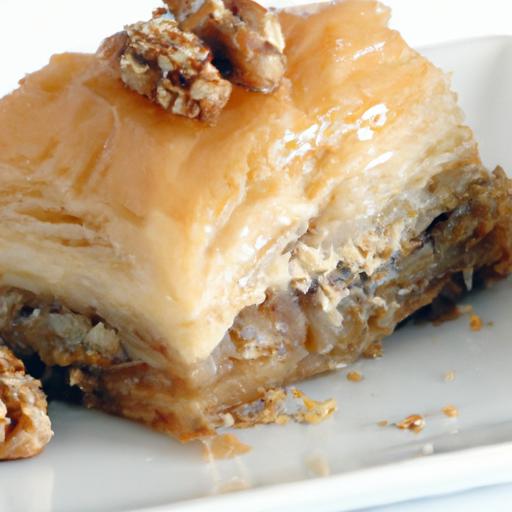

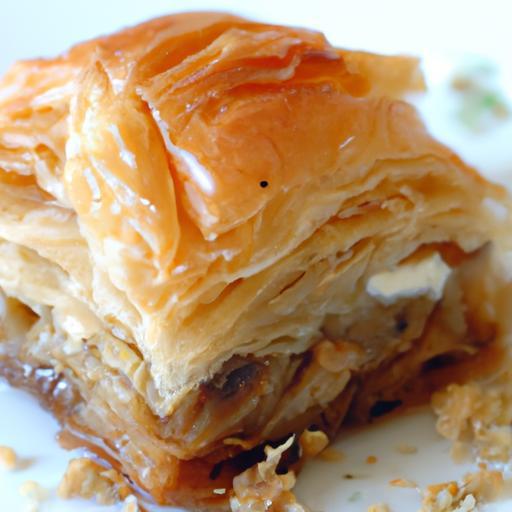
Step into a world where layers of flaky pastry meet fragrant spices and a drizzle of golden honey, creating a symphony of flavors that has enchanted taste buds for centuries. Greek baklava is more than just a dessert; it’s a cherished tradition woven into the very fabric of Mediterranean culture. In this article, we will unlock the secrets behind crafting the authentic greek baklava delight-from its rich history and time-honored ingredients to the delicate techniques that transform simple components into an irresistible treat. Prepare to embark on a culinary journey that reveals the magic behind every crispy,nut-filled bite.
Unlock the secrets of authentic Greek baklava delight as we embark on a journey through its rich heritage and master the art of this irresistible pastry. this exquisite dessert, woven from delicate phyllo layers and fragrant nuts, is deeply rooted in the Mediterranean’s culinary history, showcasing centuries of tradition and painstaking craftsmanship.
Prep and Cook Time
- Preparation: 45 minutes
- Assembly: 30 minutes
- Baking: 45 minutes
- Cooling and Syrup Soaking: 4 hours (preferred refrigeration)
Yield
- Serves 12 generous portions
Difficulty Level
- Medium – Requires patience and attention to layering, but rewarding for baklava lovers
Ingredients
- Phyllo Dough: 1 package (about 16 oz) thawed phyllo sheets
- Butter: 1 ½ cups unsalted, melted (plus extra for brushing)
- Nuts: 2 cups finely chopped walnuts
- 1 cup finely chopped pistachios
- 1 cup almonds, skin removed and finely chopped
- Spices: 1 tsp ground cinnamon
- ¼ tsp ground cloves (optional)
- Syrup: 1 ½ cups water
- 1 ½ cups granulated sugar
- ¼ cup honey (preferably Greek thyme honey)
- 2 tbsp fresh lemon juice
- 1 cinnamon stick
- 1 tbsp orange blossom water (optional, for aromatic syrup)
Instructions
- Preheat your oven to 350°F (175°C). Generously butter a 9×13 inch baking dish to prevent sticking and encourage crispness.
- prepare the nut mixture: In a medium bowl, combine the finely chopped walnuts, pistachios, almonds, ground cinnamon, and cloves.Toss well to ensure even spice distribution.
- Handle the phyllo dough carefully: Keep the phyllo sheet stack covered with a damp, clean kitchen towel to prevent drying. Layer the first sheet onto the baking dish and brush lightly with melted butter. Repeat layering and buttering until you have 8 sheets stacked.
- Add a layer of nuts: Evenly sprinkle about ⅓ of the nut mixture over the layered phyllo.
- Repeat layering: Place four more buttered phyllo sheets on top,followed by another ⅓ of the nut mixture,then four more layers of phyllo,butter each sheet as you go.
- Sprinkle the final portion of nuts, then top with the last 8 sheets of phyllo dough, continuing the butter-brushing ritual meticulously to achieve perfect flakiness.
- Score the baklava: Using a sharp knife, cut the assembled baklava into diamonds or squares all the way to the bottom. This pre-cutting helps syrup absorption and even baking.
- Bake for 45 minutes until the pastry becomes golden and crisp. The smell of toasted nuts and warm spices will fill your kitchen.
- While baking, prepare the syrup: In a saucepan, combine water, sugar, honey, lemon juice, and the cinnamon stick. Bring to a boil, then lower heat to a simmer for 10 minutes. Remove from heat and stir in orange blossom water if using. Let cool slightly.
- Once baklava is out of the oven, immediately pour the warm syrup evenly over the hot pastry. Allow it to soak and cool for at least 4 hours-preferably overnight in the fridge-for syrup to fully infuse the layers.
Tips for Success
- Phyllo dough handling: Keep the phyllo covered at all times to prevent it from drying out and tearing.
- Butter is key: don’t skimp on butter; it ensures the crispy, flaky texture baklava is known for.
- Nut variety: use fresh, high-quality nuts and chop them finely but not to a powder for an ideal balance of texture and flavor.
- Syrup temperature: Pour warm syrup over hot baklava to achieve that signature sticky, luscious coating.
- Make-ahead: baklava improves in flavor after a day, allowing all the layers to marry beautifully.
- Variation: Swap walnuts for hazelnuts or add a splash of brandy or rose water in the syrup for a unique twist.
Serving suggestions
Serve traditional Greek baklava in elegant diamond-shaped slices, garnished with a light sprinkle of crushed pistachios and a delicate drizzle of honey. Pair it with a small glass of strong Greek coffee or a cup of cardamom-spiced tea for a truly authentic experience. for a refreshing contrast, add a dollop of lightly whipped cream or a scoop of vanilla bean ice cream beside each serving.
| Nutritional Information (per serving) | Amount |
|---|---|
| Calories | 350 kcal |
| Protein | 6 g |
| carbohydrates | 37 g |
| Fat | 20 g |

For more inspiration on Mediterranean desserts, explore our comprehensive guide to Greek sweets. Curious about the origins of baklava? The Encyclopaedia Britannica on Baklava offers a captivating ancient perspective.
Q&A
Q&A: Unlock the Secrets of Authentic Greek Baklava Delight
Q1: What exactly is authentic Greek baklava?
A: Authentic Greek baklava is a rich, fragrant pastry made from layers of thin, flaky phyllo dough, generously filled with a blend of crushed nuts-typically walnuts, almonds, or pistachios-and sweetened with a luscious honey-infused syrup. Unlike some variations,Greek baklava boasts a perfect harmony of crunch,sweetness,and a subtle fragrant hint of cinnamon or clove that makes it uniquely irresistible.
Q2: How does Greek baklava differ from other versions?
A: While baklava is beloved across many cultures,Greek baklava stands out for its delicate balance between the crispy phyllo and the smooth,nutty filling. greek recipes frequently enough emphasize the use of honey rather than a simple sugar syrup, imparting a natural floral sweetness. The layering technique,along with a touch of spice like cinnamon,creates a complex flavor profile that’s both nuanced and soulful.Q3: What are the key ingredients in authentic Greek baklava?
A: The magic begins with ultra-thin phyllo sheets brushed generously with clarified butter or olive oil, creating that signature crisp texture. The nut filling usually combines walnuts,almonds,or pistachios,chopped finely for texture. The syrup-an essential element-is a fragrant bath of honey,sugar,water,lemon juice,and warming spices like cinnamon and cloves,poured over the hot pastry to soak in deeply.
Q4: Is ther a secret technique to making perfect Greek baklava?
A: Absolutely! Patience and precision are the baklava baker’s best friends. The phyllo sheets must be handled with care to prevent tearing, and each layer should be brushed evenly with butter to achieve that delicate crispness. Equally important is the timing of the syrup: it must be poured over the baklava while it’s still hot so it absorbs perfectly, yet not too hot to make the pastry soggy. Letting the baklava rest for several hours-or ideally overnight-allows the flavors to meld into pure perfection.
Q5: Can baklava be made ahead of time?
A: Yes, and it’s even better when prepared in advance! Baklava actually improves in flavor after resting, as the syrup continues to infuse the layers.Once cooled and drizzled with syrup, cover it tightly and store it at room temperature. It will keep beautifully for several days and can also be lightly reheated to revive that freshly baked warmth.
Q6: Are there any healthful twists on traditional Greek baklava?
A: While baklava is undeniably a decadent treat, there are ways to nod to health without sacrificing flavor. Using raw honey rather of processed sweeteners adds antioxidant benefits. incorporating a mix of antioxidant-rich nuts like walnuts and pistachios boosts heart-healthy fats. For a lighter version, some bakers swap clarified butter for extra-virgin olive oil, paying homage to Greek culinary heritage. Though, the essence of baklava is indulgence-so savor it mindfully!
Q7: Where can I experience the most authentic Greek baklava outside Greece?
A: Authentic Greek baklava can frequently enough be found in greek bakeries or specialty Mediterranean stores worldwide, especially in cities with vibrant Greek communities. Look for bakeries that use fresh phyllo made daily and highlight traditional ingredients like local honey and freshly chopped nuts. For the truest experience, attending a Greek festival or visiting a family-owned taverna offers a chance to taste baklava made with time-honored passion and care.
Q8: What makes Greek baklava a cultural symbol?
A: Beyond its irresistible taste, Greek baklava embodies centuries of tradition, celebration, and communal joy. It is a dessert often shared during holidays,weddings,and special gatherings-bringing families together over sweet moments. Its layered construction mirrors the layered history of Greece itself, blending influences from the Byzantine empire to Ottoman times, yet creating something uniquely Greek in spirit and flavor.Unlock the Secrets:
Crafting or savoring authentic Greek baklava is more than dessert-it’s an invitation to taste a piece of Greek heritage, woven through every flaky layer and golden drizzle of honey. Whether you’re whipping up the pastry in your kitchen or indulging in a slice abroad, you’re partaking in a timeless tradition of delight.
The Way Forward
As you’ve uncovered the layers behind the authentic Greek baklava-from its rich history and carefully selected ingredients to the precise techniques that create its signature crunch and sweetness-you’re now equipped to truly appreciate every bite of this timeless dessert. Whether you savor it at a bustling Athenian café or craft your own in a cozy kitchen, authentic baklava is more than just a pastry; it’s a celebration of tradition, culture, and culinary artistry passed down through generations. So go ahead-indulge in the golden, flaky treasure that is Greek baklava, and let each mouthful unlock a world of flavor and heritage that’s as sweet as it is indeed unforgettable.