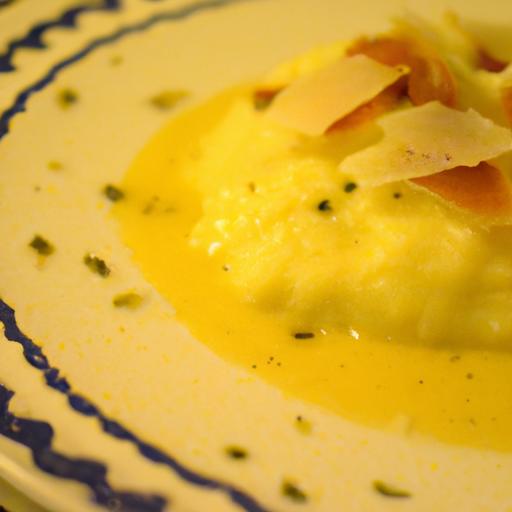

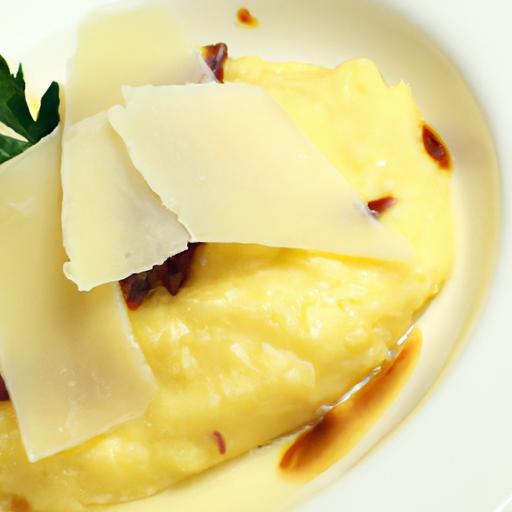
Golden Polenta with Parmesan: A Creamy Italian Delight invites you on a culinary journey too the sun-kissed hills of Northern Italy, where humble cornmeal transforms into a luscious, velvety dish cherished for centuries. This simple yet elegant comfort food marries the rustic warmth of golden polenta with the sharp, nutty richness of freshly grated Parmesan, creating a symphony of flavors and textures that dance on the palate. Whether served as a hearty side or a satisfying main, this creamy Italian classic embodies both tradition and versatility, offering a taste experiance that is as timeless as it is indeed irresistible. Join us as we explore the art of crafting this golden masterpiece and discover why polenta remains a beloved staple in Italian kitchens around the world.
Golden Polenta with Parmesan is an irresistible comfort dish that beautifully showcases the creamy, velvety texture of slowly cooked cornmeal enriched with the nutty depth of Parmesan cheese. This classic Italian staple, often enjoyed in Northern Italy, carries with it a rich heritage of humble, rustic cooking transformed into a luxurious plate. From my earliest culinary memories, the moment creamy polenta met sharp Parmesan on my palate was unforgettable-its lushness perfectly balanced by the cheese’s savory bite, making every bite deeply satisfying and comforting.
Prep and Cook Time
- Readiness Time: 10 minutes
- Cooking time: 35 minutes
- Total Time: 45 minutes
Yield
Serves 4 generously as a side or 2 as a main course.
Difficulty Level
Easy to Medium: Perfect for both beginner cooks and seasoned food lovers looking for a cozy Italian classic.
Ingredients
- 1 cup coarse yellow cornmeal (polenta)
- 4 cups water (or low-sodium vegetable broth for extra flavor)
- 1 teaspoon fine sea salt
- 3 tablespoons unsalted butter
- 1 cup freshly grated Parmesan cheese
- Black pepper, freshly cracked, to taste
- Optional: ½ cup cream or whole milk for extra creaminess
Instructions
- bring the liquid to a gentle boil: In a heavy-bottomed saucepan, bring 4 cups of water or broth and 1 teaspoon of salt to a rolling boil.
- Slowly whisk in the polenta: Gradually pour in the cornmeal while whisking constantly to avoid lumps forming. Reduce heat to low promptly.
- Simmer gently and stir frequently enough: Let the polenta cook, stirring frequently with a wooden spoon or heatproof spatula, scraping the bottom to prevent sticking, for about 30 minutes. It should thicken into a smooth, creamy consistency.
- Finish with butter and Parmesan: Remove from heat and quickly stir in the butter until melted and glossy, then fold in the grated Parmesan cheese until fully integrated and silky.
- Adjust texture if needed: For an ultra-creamy consistency, swirl in ½ cup cream or whole milk here. Season to taste with freshly cracked black pepper.
- Rest briefly: Let the polenta sit for 3-5 minutes to allow the flavors to marry and the texture to settle.
- Serve warm: Spoon onto plates or bowls, garnishing as desired.
Tips for Success
- Consistency matters: Polenta thickness can vary - if it becomes too thick, stir in a splash of hot water or broth to loosen.
- choose the right cornmeal: Coarse grind yields the best texture; avoid instant polenta for this creamy, traditional version.
- Stir patiently: frequent stirring prevents lumps and ensures a smooth, even creaminess.
- Make ahead tip: Polenta can be made in advance and reheated gently with added liquid and butter to restore creaminess.
- Cheese variations: While Parmesan is classic, try mixing in Pecorino Romano for a sharper flavor profile.
Serving Suggestions
Golden Polenta with Parmesan shines as a canvas for Italian-inspired dishes or as a decadent side:
- Garnish with fresh herbs: Sprinkle chopped fresh rosemary,thyme,or parsley to add aromatic freshness and color contrast.
- Accompany hearty meats: Serve alongside braised short ribs,osso buco,or grilled sausages where the creamy polenta soaks up rich sauces.
- Vegetarian pairing: Top with sautéed wild mushrooms, roasted cherry tomatoes, or a dollop of slow-cooked tomato ragù for a satisfying vegetarian option.
- finish with a drizzle: A touch of extra-virgin olive oil or aged balsamic vinegar enhances the depth and adds subtle complexity.
- For a rustic look: Spread warm polenta on a serving board,top with shaved Parmesan shards,and scatter a handful of toasted pine nuts for texture.
| Nutrient | Per Serving |
|---|---|
| Calories | 320 kcal |
| Protein | 10 g |
| Carbohydrates | 45 g |
| Fat | 9 g |

Discover More Italian Favorites
Explore authentic Classic italian Risotto recipes to complement your polenta experience.
For an in-depth history and nutritional benefits of cornmeal, visit Encyclopedia Britannica on Polenta.
Q&A
Q&A: Golden Polenta with Parmesan – A Creamy Italian Delight
Q1: What is polenta, and why is it considered a classic Italian dish?
A: Polenta is a traditional Italian dish made from coarsely ground cornmeal cooked into a creamy, hearty porridge. Rooted in Northern Italy, it has been a staple comfort food for centuries, valued for its simplicity, versatility, and ability to pair beautifully with a variety of savory ingredients.
Q2: What makes “Golden Polenta with Parmesan” so special?
A: The magic lies in the marriage of golden cornmeal’s buttery richness with the nutty, salty depth of freshly grated Parmesan cheese. This combination creates a luxurious, creamy texture and a flavor profile that’s both comforting and elegant - a true celebration of Italian culinary craftsmanship.
Q3: how do you achieve the perfect creamy texture in polenta?
A: Patience and the right technique are key! Slowly simmering the cornmeal in flavorful broth or water while stirring regularly prevents lumps and develops that signature creamy consistency. Finishing with butter and aged Parmesan melts everything into a velvety smooth delight that melts in your mouth.
Q4: can polenta be served in different ways?
A: Absolutely! While creamy polenta is perfect as a soothing side dish or base, it can also be allowed to cool and set, then sliced and grilled or fried for a crispy contrast. Topped with savory sauces, roasted vegetables, or fresh herbs, polenta transforms effortlessly from humble comfort food to a gourmet centerpiece.Q5: is Golden Polenta with Parmesan suitable for various diets?
A: Polenta is naturally gluten-free, making it a great choice for those avoiding gluten. However, Parmesan cheese adds dairy, so it’s not suitable for vegans or those with dairy allergies unless a plant-based cheese option is used. It’s always best to check ingredient sources if dietary restrictions apply.
Q6: What wine pairs best with Golden Polenta with Parmesan?
A: A medium-bodied white wine, such as a Chardonnay or Pinot Grigio, complements the creamy richness and the nutty cheese beautifully. If you favor reds, a light-bodied Italian red like a Chianti can also enhance the savory notes without overpowering the dish.
Q7: How can home cooks elevate their polenta experience?
A: Experiment with infusing the cooking liquid with herbs, garlic, or sautéed onions for an extra flavor kick.Using freshly grated Parmesan and finishing with a pat of butter or a drizzle of truffle oil can elevate humble polenta into an indulgent Italian masterpiece right in your kitchen.
Q8: Why is Golden Polenta with Parmesan a perfect dish for gatherings?
A: Its creamy texture and rich flavor create a warm, inviting dish that feeds both body and soul. It’s easy to prepare in larger batches, versatile enough to pair with many mains, and always a crowd-pleaser, making it ideal for sharing at family dinners or festive occasions.
With its golden hue and luscious Parmesan embrace, polenta is more than just a side dish-it’s a creamy Italian delight that brings a taste of tradition and a touch of decadence to every meal.
Future Outlook
As the warm, buttery richness of golden polenta melts together with the sharp, savory embrace of Parmesan, this classic Italian dish invites you to savor both tradition and comfort in every bite. Whether served as a creamy side or a star of your meal, golden polenta with Parmesan is more than just food-it’s a culinary experience that connects you to centuries of Italian heritage. So, next time you crave something both simple and indulgent, let this creamy delight remind you why some flavors never go out of style. Buon appetito!