
In a world where wellness is more than just a trend-it’s a lifestyle-embracing a gluten-free life has become a beacon of health, clarity, and vitality for many. Whether you’re navigating celiac disease, gluten sensitivity, or simply seeking to enhance your well-being, turning to a gluten-free diet opens the door to a vibrant new way of living. This guide will walk you through the essentials of gluten-free living, unraveling myths, offering practical tips, and inspiring delicious choices that nourish your body without compromise. Step into a world where wellness meets mindful eating, and discover how embracing gluten-free can transform not just your meals, but your entire approach to health.
Understanding Gluten and Its Impact on Your Health
Embracing wellness: your guide to a gluten-free life begins with understanding what gluten truly is and how it can affect your body. Gluten, a group of proteins found primarily in wheat, barley, and rye, provides elasticity to dough, contributing to the chewy texture of many baked goods. However, for individuals with celiac disease, gluten sensitivity, or autoimmune conditions, consuming gluten triggers inflammation and digestive distress.
Grasping this connection empowers you to make informed dietary choices, not just for avoidance but to embrace a lifestyle rich in nutrient-dense, naturally gluten-free foods. Recognizing hidden sources of gluten-such as soy sauce, processed meats, or even some supplements-is crucial in maintaining your health and wellness journey.
Essential Ingredients for Delicious and Safe Gluten-Free Cooking
Transitioning from traditional gluten-based cooking to gluten-free does not mean sacrificing flavor or texture. The right ingredients become your secret arsenal to crafting dishes that both satisfy and nourish.
- Gluten-Free Flours: Almond flour, coconut flour, sorghum flour, and rice flour are versatile options. Combining these frequently enough yields the best texture in baked goods.
- Binders and Thickeners: Xanthan gum, guar gum, and psyllium husk powder help replicate gluten’s binding properties, especially in bread and pastries.
- Whole Foods: Naturally gluten-free foods like quinoa, brown rice, legumes, fresh vegetables, and fruits form the basis of a wholesome diet.
- Certified Gluten-Free Products: Always check for certification to avoid cross-contamination, especially in processed foods.
Infuse your culinary creations with vibrant herbs, spices, and quality fats such as olive oil or avocado, transforming simple ingredients into memorable meals.
Navigating social Situations and Dining out with Confidence
Eating gluten-free outside your home can feel daunting, but with preparation and interaction, it becomes effortless and even enjoyable. Before attending events or dining at restaurants, it helps to research menus and call ahead to ask about gluten-free options.
Express your dietary needs clearly and kindly to servers or hosts, and don’t hesitate to ask about food preparation practices to reduce cross-contact risks. Carrying small gluten-free snacks ensures you have safe options when choices are limited.
Remember, embracing wellness: your guide to a gluten-free life is about empowerment and self-care-social experiences should enhance your journey rather than hinder it.
Building a Balanced Lifestyle Beyond Gluten free Choices
Going gluten-free is one piece of a larger puzzle in wellness. Prioritize a balanced diet rich in lean proteins, healthy fats, and abundant vegetables while keeping processed foods minimal. Hydration, regular movement, and mindfulness practices complement your dietary choices perfectly.
Allow room for flexibility and joy in your meals. Experiment with diverse cuisines-from Mediterranean to Asian-that naturally emphasize gluten-free ingredients. Cultivating relationships with supportive communities and staying informed on the latest health research further enriches your lifestyle.
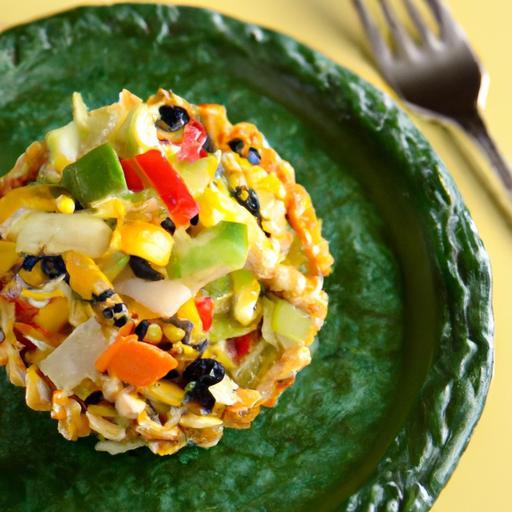
Hearty Quinoa and Roasted Vegetable Salad Recipe
Embracing wellness: your guide to a gluten-free life inspires this vibrant, nutrient-packed quinoa salad-a perfect celebration of naturally gluten-free ingredients that nourish and delight.
Prep Time: 15 minutes
Cook time: 25 minutes
Total Time: 40 minutes
yield: Serves 4
Difficulty Level: Easy
Ingredients
- 1 cup quinoa, rinsed
- 2 cups water or vegetable broth
- 1 medium sweet potato, peeled and diced
- 1 red bell pepper, chopped
- 1 zucchini, diced
- 1 cup cherry tomatoes, halved
- 2 tablespoons olive oil
- 1 teaspoon smoked paprika
- Salt and freshly ground black pepper, to taste
- 1/4 cup fresh parsley, chopped
- 1/4 cup toasted pumpkin seeds
- For the dressing:
- 3 tablespoons extra virgin olive oil
- 1 tablespoon apple cider vinegar
- 1 teaspoon Dijon mustard
- 1 clove garlic, minced
- 1 teaspoon honey or maple syrup
- Salt and pepper, to taste
Instructions
- Cook the quinoa: In a medium saucepan, combine 1 cup rinsed quinoa and 2 cups water or vegetable broth. Bring to a boil, then reduce heat to low, cover, and simmer until liquid is absorbed, about 15 minutes. Remove from heat and fluff with a fork.
- Roast the vegetables: Preheat your oven to 400°F (200°C). On a baking sheet, toss sweet potato, red bell pepper, and zucchini with 2 tablespoons olive oil, smoked paprika, salt, and pepper. Spread evenly and roast for 20 minutes, stirring halfway through, until tender and golden.
- Prepare the dressing: Whisk together olive oil, apple cider vinegar, Dijon mustard, minced garlic, honey, salt, and pepper until emulsified.
- Combine and toss: In a large bowl, mix cooked quinoa, roasted vegetables, and cherry tomatoes. Drizzle with the dressing and toss gently to coat evenly.
- Finish the dish: Sprinkle with fresh parsley and toasted pumpkin seeds for crunch and color. Taste and adjust seasoning if needed.
Chef’s Notes
- For added protein, incorporate cooked chickpeas or grilled chicken.
- Try swapping the roasted vegetables seasonings with curry powder or za’atar for an exotic twist.
- Make ahead: Prepare the quinoa and dressing up to 2 days ahead and store separately. Roast vegetables fresh before assembling.
- If pumpkin seeds are unavailable, toasted sunflower seeds or chopped walnuts add great texture.
- Don’t rinse quinoa too extensively to preserve flavor, but ensure to remove saponins with a speedy rinse.
Serving Suggestions
This salad shines served chilled or at room temperature. Plate it atop a bed of fresh baby spinach or alongside grilled fish for a complete meal. A wedge of lemon adds a zesty brightness, while a dollop of dairy-free yogurt or avocado crema can elevate creaminess. Garnish with microgreens or edible flowers to impress guests visually.

| Nutrient | Per Serving |
|---|---|
| Calories | 350 kcal |
| Protein | 9 g |
| Carbohydrates | 48 g |
| Fat | 12 g |
For a deeper understanding of gluten’s health implications and how a gluten-free lifestyle supports well-being, visit the Celiac Disease Foundation. Curious about more gluten-free recipes that complement your wellness journey? check out our detailed guide on Gluten-Free Baking Basics to elevate your kitchen confidence.
Q&A
Q&A: Embracing Wellness – Your Guide to a Gluten-Free Life
Q1: What does it mean to live a gluten-free life?
A1: Living a gluten-free life means intentionally avoiding gluten-a protein found in wheat, barley, and rye-in your diet. It’s more than just a dietary choice; it’s a journey toward wellness for those with celiac disease,gluten sensitivity,or those simply exploring how gluten-free living can benefit their health and vitality.
Q2: Who should consider going gluten-free?
A2: While a gluten-free lifestyle is essential for people with celiac disease or non-celiac gluten sensitivity, it can also be a proactive step for anyone curious about how eliminating gluten might enhance digestion, energy levels, or overall wellness. Listening to your body is key-if gluten causes discomfort, it might be worth a trial run.
Q3: How do I start embracing a gluten-free lifestyle without feeling overwhelmed?
A3: Begin by learning which ingredients and foods contain gluten-think breads, pastas, sauces, and many processed snacks. Swap them out for naturally gluten-free alternatives like quinoa, rice, fruits, vegetables, and lean proteins. Embrace the adventure of cooking at home with fresh, whole foods. Small changes lead to lasting habits.
Q4: Are gluten-free products always healthier?
A4: Not necessarily. Gluten-free labeled items can still be high in sugar, fat, or preservatives. The key is to choose whole, minimally processed foods whenever possible. Read labels carefully and use gluten-free products as tools,not crutches,on your wellness path.
Q5: Can eating gluten-free improve energy and mental clarity?
A5: Many who adopt a gluten-free diet report feeling more energized and mentally sharp, especially if gluten was causing hidden inflammation or digestive distress. however, improvements vary by individual, and it’s significant to maintain a balanced diet rich in essential nutrients to support brain and body function.
Q6: What are some creative ways to make gluten-free meals exciting?
A6: Think of your kitchen as a canvas-experiment with ancient grains like amaranth or millet, spice blends inspired by global cuisines, and vibrant veggies for color and crunch. Baking gluten-free breads or desserts at home can also turn your journey into a delicious adventure.
Q7: How can I navigate social settings while staying gluten-free?
A7: Communication is your best friend. Inform hosts or restaurants about your needs beforehand. Carrying gluten-free snacks or suggesting eateries with gluten-free options can make socializing smoother. Remember, embracing wellness includes self-care and boundaries.
Q8: Are there any common pitfalls to watch out for?
A8: Cross-contamination and hidden gluten in sauces or dressings can trip up even the most diligent.Always double-check ingredient lists and consider dedicating kitchen space or utensils to gluten-free prep if you share a home.
Q9: How do I maintain balance and joy in a gluten-free life?
A9: Balance comes from knowledge, flexibility, and self-compassion. Celebrate your progress, enjoy new tastes, and remember that wellness is a journey, not a destination.Your gluten-free life can be flavorful, nourishing, and full of discovery.
Q10: Where can I find support and resources to deepen my gluten-free journey?
A10: online communities,wellness blogs,local support groups,and nutritionists specializing in gluten-free diets offer a wealth of information. Embracing wellness means tapping into a network that inspires and empowers your best self.
The Way Forward
As you step forward on your gluten-free journey, remember that wellness is more than a diet-it’s a lifestyle crafted with intention, awareness, and a dash of creativity. Embracing a gluten-free life opens doors to vibrant health, newfound energy, and a deeper connection with the foods that nourish you. With this guide as your companion, may you navigate the path with confidence, discovering delicious alternatives and mindful habits that celebrate your well-being. Here’s to a future filled with flavor, freedom, and the joy of living well-gluten-free and thriving.