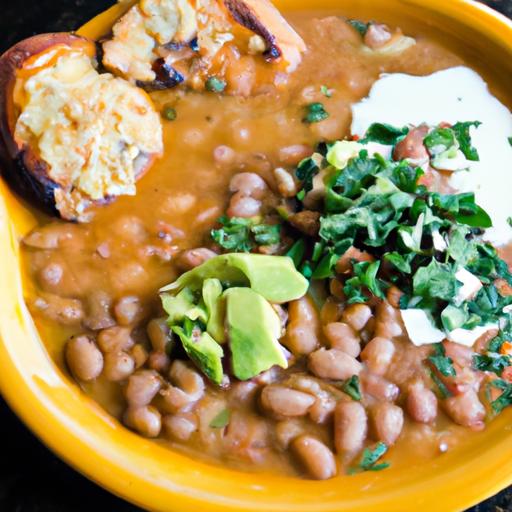

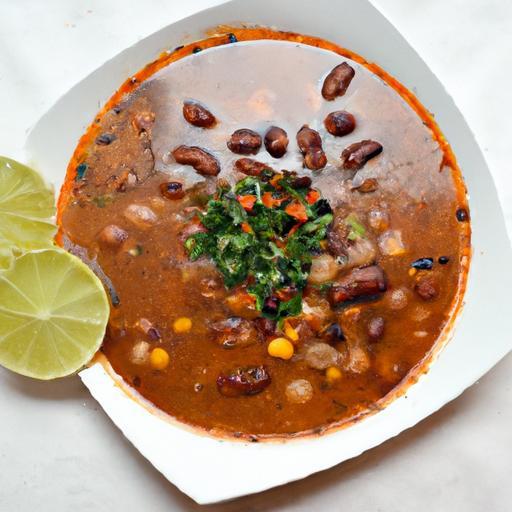
Nestled deep within the heart of Mexican kitchens lies a humble yet timeless dish that has been nourishing families for generations: Frijoles de la Olla. More then just beans simmered in a pot, this classic tradition is a flavorful festivity of culture, history, adn community. Frequently enough enjoyed as a comforting side or a hearty main, Frijoles de la Olla embodies the essence of simplicity meeting soulful cooking. In this article, we’ll unravel the story behind this beloved Mexican staple, exploring its origins, preparation secrets, and its enduring place on tables across the country. Prepare to embark on a culinary journey that honors tradition, one savory spoonful at a time.
Frijoles de la Olla: A Classic Mexican Bean Tradition Explained
Frijoles de la Olla are more than just a staple dish-they’re a warm embrace from the heart of Mexican home cooking, a tradition passed down through generations. These slow-simmered beans, tender and infused with earthy aromas, carry with them stories of family gatherings and humble kitchens. Whether enjoyed as a comforting side or a wholesome centerpiece, this recipe embodies simplicity and depth, showcasing the soul of Mexican cuisine.
Prep and Cook Time
- Preparation: 10 minutes (plus overnight soaking)
- Cook Time: 2 hours
- Total Time: Approximately 2 hours 10 minutes
Yield
Serves 6 hearty portions
Difficulty Level
Easy – Perfect for all home cooks, beginners and seasoned chefs alike
Essential ingredients for Traditional Frijoles de la Olla
- 2 cups dry pinto beans, rinsed and soaked overnight
- 8 cups filtered water
- 1 medium white onion, halved
- 3 cloves garlic, peeled
- 1 teaspoon sea salt, adjust to taste
- optional: 1 fresh bay leaf for subtle herbal aroma
Step-by-Step Instructions
- Prepare the Beans: Pour the dry pinto beans into a large bowl and cover with plenty of cold water.Let them soak overnight (at least 8 hours) to soften and reduce cooking time.
- Drain and Rinse: After soaking,drain the beans and rinse them thoroughly under cold running water. This helps remove impurities and reduces gas formation.
- Combine ingredients: In a large heavy-bottomed pot or traditional clay olla, add the soaked beans, 8 cups of filtered water, halved onion, garlic cloves, and if using, the bay leaf.
- Simmer Gently: Bring the mixture to a gentle boil over medium-high heat. Once boiling, reduce the heat to low and partially cover the pot with a lid to allow steam to escape evenly.
- Cook Slowly: Let the beans simmer slowly for about 1.5 to 2 hours, stirring occasionally and skimming off any foam that forms on the surface.
- Add Salt: About 15 minutes before the beans are tender, add the sea salt. Adding salt earlier can toughen the beans, so patience is key.
- Check for Doneness: Beans should be creamy inside but hold their shape.If needed, cook a bit longer, adding warm water if the pot looks dry.
- Remove Aromatics: Discard the onion halves, garlic cloves, and bay leaf before serving, or serve with them if preferred for extra flavour.
Chef’s Notes & Tips for Success
- Tip: Use filtered or spring water to enhance the fresh, earthy flavor of the beans.
- Variation: For a smoky twist,add a dried chipotle pepper during simmering,removing it before serving.
- Make-Ahead: These beans taste even better the next day. Store in their cooking liquid and gently reheat on the stove.
- Substitution: Black beans or brown beans can be used for a different texture, but adjust cooking times accordingly.
- Prevent Splitting: Avoid stirring too vigorously which might break the beans apart, as their texture is part of the appeal.
Flavor Enhancements and Serving Suggestions: Elevate Your Frijoles de la Olla Experience
The beauty of Frijoles de la Olla lies in its subtle, soulful base flavor, which invites a variety of enhancements. Stir in a drizzle of freshly rendered pork lard or extra virgin olive oil for richness. Add minced fresh cilantro,a squeeze of lime,or finely chopped onion and roasted serrano peppers for brightness and a mild kick.
Serve your Frijoles de la Olla alongside fluffy white rice, warm corn tortillas, and classic Mexican garnishes such as crumbly queso fresco, diced avocado, or pickled jalapeños. For a heartier meal, top with shredded chicken or sautéed chorizo.
Health Benefits and Nutritional Insights: Why Frijoles de la olla Are a Wholesome Choice
Aside from being deeply satisfying, this dish provides a powerhouse of nutrition. Pinto beans are a rich source of dietary fiber, plant-based protein, and essential minerals like iron and potassium. These nutrients support digestive health, help stabilize blood sugar, and promote heart health.
Compared to canned options, making Frijoles de la Olla from scratch means avoiding excess sodium and preservatives, ensuring a fresher, cleaner taste. Additionally, the long, slow cooking method breaks down complex carbohydrates, improving digestibility and nutrient absorption.
| Nutrient | Per Serving |
|---|---|
| Calories | 230 kcal |
| Protein | 15 g |
| Carbohydrates | 40 g |
| Fat | 1 g |
| Fiber | 9 g |
Related Reads & Resources
Discover other classic Mexican dishes to complement your bean tradition in our Authentic Mexican Recipes collection.
For detailed insights on legumes and health backed by science, visit the Harvard T.H. Chan School of Public Health.

Q&A
Q&A: Frijoles de la Olla – A Classic Mexican Bean tradition Explained
Q1: What exactly are Frijoles de la Olla?
A1: Frijoles de la Olla, literally “beans from the pot,” are a traditional Mexican dish featuring whole beans slow-cooked in water, often with simple aromatics like onion, garlic, and epazote. Unlike refried beans, these remain soupy and are enjoyed as a wholesome side or a comforting broth that carries the earthy essence of the bean itself.
Q2: Why are Frijoles de la Olla considered a classic Mexican tradition?
A2: Beans have been a dietary staple in Mexico since ancient times, revered for their nutritional value and versatility. Frijoles de la Olla reflect this heritage, showcasing an age-old cooking method that honors simplicity and natural flavors. They connect generations through their humble presence on family tables nationwide.
Q3: How are these beans prepared traditionally?
A3: Traditionally,dried whole beans-commonly black beans or bayos-are soaked overnight to reduce cooking time and improve digestibility. They then simmer gently in a clay or cast-iron pot (“olla”) with water, onion, garlic, and sometimes a sprig of epazote, a Mexican herb prized for its flavor and digestive benefits. The low-and-slow simmer extracts richness while keeping the beans tender but intact.
Q4: What makes Frijoles de la Olla different from refried beans?
A4: While refried beans are mashed and fried after cooking,transforming into a creamy,spreadable dish,Frijoles de la Olla stay whole and are served in their broth. This liquid element is key-it carries flavor and provides a nourishing, warming effect. It’s like enjoying the bean’s soul in soup form rather than a dense paste.Q5: Are there regional variations in the recipe?
A5: Absolutely! In some regions, cooks add chile peppers for a kick, while others might include a pinch of cumin or use pork bones to deepen flavor. In coastal areas, beans might be served with fresh cheeses or avocado slices. The beauty of Frijoles de la Olla lies in its simplicity and adaptability.
Q6: What dishes commonly accompany Frijoles de la Olla?
A6: These beans are a staple companion to nearly every Mexican meal. They pair beautifully with fresh corn tortillas, arroz rojo (Mexican red rice), grilled meats, or roasted vegetables. Manny families enjoy ladling the beans over rice or dipping warm tortillas directly into the broth-a ritual as comforting as the beans themselves.
Q7: Can Frijoles de la Olla be considered healthy?
A7: Definitely! Beans are nutritional powerhouses loaded with fiber, protein, vitamins, and minerals. The gentle cooking method preserves these benefits without added fats. Paired with fresh ingredients, this dish exemplifies wholesome, balanced eating rooted in tradition.Q8: How can someone outside Mexico bring the essence of Frijoles de la Olla into their kitchen?
A8: Start with quality dried beans and patience-the key is slow, attentive cooking. If you don’t have epazote, a bay leaf can approximate its subtle herbal note. Keep it simple: onion, garlic, good water, and let the beans speak for themselves. Serve warm with a side of corn tortillas and perhaps a squeeze of lime to brighten the flavors. Voilà-an authentic taste of Mexico’s bean tradition in your own home!
Q9: Why do Frijoles de la Olla hold cultural meaning beyond the kitchen?
A9: Beyond nutrition, these beans symbolize community, resilience, and heritage. They represent a shared history of indigenous and mestizo peoples who cultivated these legumes for centuries. Preparing and eating Frijoles de la Olla is a way of honoring ancestors and sustaining a culinary lineage that remains vibrant today.
Whether enjoyed as humble comfort food or a cherished family recipe, Frijoles de la Olla invite us to slow down, savor simple ingredients, and connect with Mexico’s rich, flavorful past-one bean at a time.
To Conclude
As the comforting aroma of Frijoles de la Olla fills kitchens across Mexico, it’s clear that this humble bean dish is much more than just sustenance-it’s a living piece of culture, tradition, and community. From the slow simmer in rustic clay pots to the vibrant conversations shared around the table, these beans embody a timeless ritual that connects generations. Whether you’re a seasoned cook or a curious food lover, embracing Frijoles de la Olla invites you to savor a taste of Mexican heritage, one spoonful at a time. So next time you seek a meal that warms both heart and home, remember: sometimes, the simplest ingredients carry the richest stories.