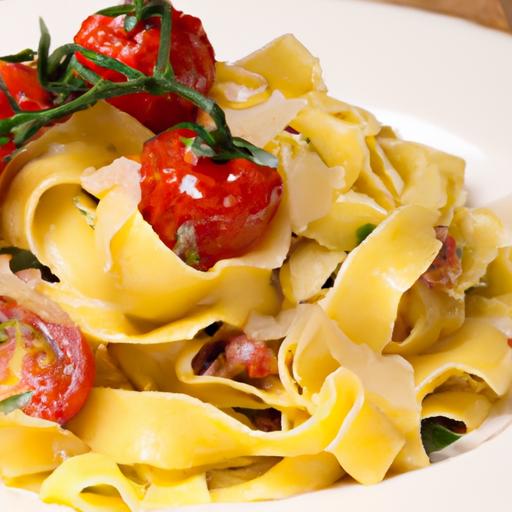

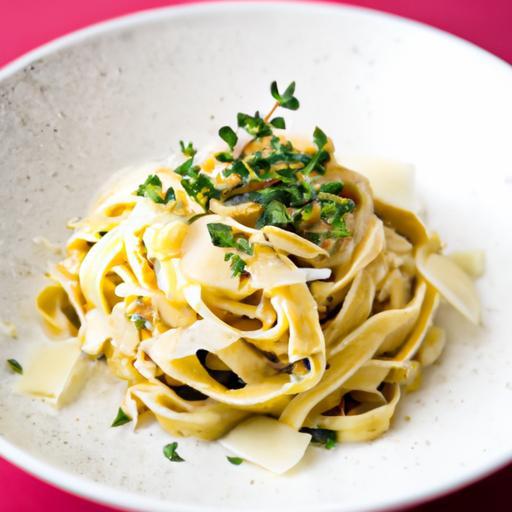
There’s something irresistibly enchanting about teh way fettuccine pasta twirls around a fork-each ribbon a perfect marriage of texture and flavor that has captured the hearts of food lovers around the world. More than just a dish, fettuccine is a culinary emblem of Italy’s rich gastronomic heritage, weaving together tradition, artistry, and regional pride. In this delicious guide to Italy’s beloved ribbon noodle, we’ll dive into the origins of fettuccine, explore its unique characteristics, and uncover the secrets that make it a staple in kitchens from Rome to your own dining table. Prepare to embark on a savory journey that honors the simplicity and elegance of this timeless pasta.
fettuccine pasta has long held a cherished place in Italian culinary tradition, weaving together history, craftsmanship, and flavor in every ribbon-like strand. Originating from the heart of Tuscany and Lazio, this beloved pasta captures the essence of rustic Italian cooking-simple ingredients transformed through skillful hands into a dish bursting with texture and taste. My first memory of making homemade fettuccine was during a summer in Florence, where a local Nonna guided me through rolling and cutting dough in her sunlit kitchen. That tactile connection, the flour-dusted wooden board, and the rich aroma of fresh pasta boiling into silky ribbons-this is what makes fettuccine an endless source of inspiration in Italian cuisine.
Prep and Cook Time
- Preparation: 20 minutes
- Resting time: 30 minutes
- Cooking time: 3-5 minutes
Yield
- Serves 4 people
Difficulty Level
- Medium – mastering dough elasticity requires some practice
Ingredients
- 2 cups all-purpose flour, sifted
- 3 large fresh eggs, at room temperature
- 1/2 tsp fine sea salt
- 1 tbsp extra virgin olive oil (optional, for silkier dough)
- Semolina flour (for dusting)
Instructions
- Create a flour mound: On a clean work surface, sift the all-purpose flour and form a well in the center large enough to hold the eggs.
- Combine eggs and salt: Crack the eggs into the well, add the sea salt and olive oil if using. Gently whisk the eggs with a fork, slowly incorporating the flour from the edges of the well.
- Form the dough: Gradually mix until a shaggy dough forms. Begin kneading with your hands, folding the dough over itself, and pressing firmly for 8-10 minutes until smooth and elastic. Tip: If too sticky, dust with a little flour; if too dry, wet fingertips slightly.
- Rest the dough: Wrap the dough ball tightly in plastic wrap and let it rest at room temperature for at least 30 minutes. This step relaxes gluten, making rolling easier.
- Roll out the dough: divide dough into 2 portions. Using a rolling pin or pasta machine, roll each portion into thin sheets about 1-2 mm thick, dusting with semolina flour to prevent sticking.
- Cut into ribbons: Fold the sheets loosely, then slice into 1/4-inch wide strips to create classic fettuccine ribbons. Unfold and gently toss with semolina to separate.
- Cook the pasta: Bring a large pot of salted water to a rolling boil. Add fettuccine and cook for 2-4 minutes until al dente, fresh pasta cooks quickly! Drain and toss with your preferred sauce.
tips for Success
- Kneading: Patience is key. Proper kneading develops gluten, giving fettuccine its characteristic chew and bite.
- Resting the dough: Don’t skip this. Without resting, dough can snap back when rolling.
- Rolling thickness: Aim for thin but resilient dough to avoid mushiness when cooked.
- Storage: Fresh fettuccine can be lightly dusted with flour and refrigerated for up to 24 hours or frozen for later use.
- Practice folding: to keep cutting manageable, fold dough loosely to avoid compressing ribbons.
Pairing Perfection: Ideal Sauces and Ingredients for Fettuccine
Fettuccine pasta performs wonderfully as a canvas for a range of sauces, from rich and indulgent to light and vibrant.One cannot overlook the iconic Fettuccine Alfredo, where creamy butter and Parmesan create a silken coating that clings perfectly to the ribbons.For a more robust profile, classic Bolognese ragù showcases minced meats and tomatoes, their heartiness amplified by the pasta’s texture. Seafood lovers adore fettuccine tossed with clams, garlic, white wine, and chili flakes, while vegetables like asparagus, peas, and lemon zest add a spring freshness perfect for warmer months.
Exploring Regional Variations and Serving Suggestions Across Italy
Across Italy, versions of fettuccine vary subtly. In Rome, it’s typically paired with pecorino cheese and pepper, akin to cacio e pepe, while Tuscan traditions lean towards simple butter and sage or hearty meat sauces. Northern Italy introduces cream-rich sauces flavored with truffles or mushrooms. Presentation matters: serve fettuccine piled high in shallow bowls, garnished with freshly cracked black pepper, finely grated cheese, and vibrant fresh herbs like flat-leaf parsley or basil. A drizzle of high-quality olive oil or a sprinkle of toasted pine nuts can elevate the dish further.
Nutritional Facts
| Per Serving (Approx.) | Calories | Protein | Carbs | Fat |
|---|---|---|---|---|
| Homemade Fettuccine Pasta (100g) | 210 kcal | 7 g | 40 g | 1 g |

For those intrigued by pasta making, don’t miss our complete guide to homemade pasta techniques-a perfect complement to your fettuccine journey. Welcome the pleasure of crafting Italy’s classic ribbon noodle in your own kitchen and layer every bite with history, texture, and pure deliciousness.
Q&A
Q&A: Fettuccine Pasta – A Delicious Guide to Italy’s Ribbon Noodle
Q1: What exactly is fettuccine pasta?
A1: Fettuccine is a type of ribbon pasta that hails from the heart of Italy, particularly the Lazio region. Imagine long, flat, and slightly thick noodles-about a quarter inch wide-that elegantly twirl around your fork. Its name comes from the Italian word “fettucce” meaning “little ribbons,” perfectly capturing its broad, ribbon-like shape.
Q2: How is fettuccine different from other pasta types?
A2: Unlike thin spaghetti or tubular penne, fettuccine boasts a wider and flatter profile which allows it to hold onto rich, creamy sauces like no other. Its considerable texture makes it ideal for hearty dishes, providing a satisfying chew and a luxurious mouthfeel that’s a step above the delicate strands of angel hair or the tiny shells of conchiglie.
Q3: What’s the history behind fettuccine?
A3: Legend has it that fettuccine first gained fame in Rome, where the classic ”Fettuccine alfredo” was born. In the early 20th century, Alfredo di Lelio created a rich dish of fettuccine tossed with butter and Parmesan cheese, capturing the hearts and palates of locals and Hollywood stars alike. Since then, fettuccine has become synonymous with comforting yet elegant Italian cuisine.
Q4: how should fettuccine be cooked to perfection?
A4: Cooking fettuccine is an art of timing. Drop it into a pot of vigorously boiling salted water and let it cook until al dente-meaning it’s tender but still has a slight bite. This usually takes between 8 to 12 minutes depending on freshness. Drain quickly and toss promptly with sauce to prevent sticking and ensure every ribbon is coated in flavor.
Q5: What sauces pair best with fettuccine?
A5: Fettuccine loves company,especially rich and creamy sauces like Alfredo or carbonara that cling to its flat surface. It also pairs beautifully with hearty meat ragùs, mushroom-based sauces, and even lighter tomato blends. The pasta’s generous width makes it a canvas for both delicate and bold flavors alike.
Q6: Can fettuccine be made fresh at home?
A6: Absolutely! Making fresh fettuccine is a rewarding kitchen adventure. With simple ingredients-flour, eggs, and a pinch of salt-you can create fresh dough that’s rolled thin and sliced into perfect ribbons. Fresh fettuccine cooks faster and offers a silkier texture that instantly elevates any dish.
Q7: Any creative twists on customary fettuccine?
A7: why not infuse your fettuccine dough with vibrant colors and flavors? Spinach puree turns ribbons a vivid green, beetroot adds a deep magenta hue, and squid ink imparts an elegant black tint with a subtle briny taste. On the plate, try tossing fettuccine with seasonal vegetables, toasted nuts, or aromatic herbs to create your own Italian masterpiece.
Q8: Where can I find authentic fettuccine if I’m not making it at home?
A8: Most Italian grocery stores and specialty markets stock dried fettuccine. Look for brands that specify “pasta di semola di grano duro” (durum wheat semolina pasta) for the best texture. If you want fresh,check out your local Italian deli or farmer’s market where artisanal producers often sell handmade noodles.
Q9: Why is fettuccine so beloved worldwide?
A9: Fettuccine’s worldwide appeal lies in its comfort and versatility. It’s a pasta that feels both rustic and refined, perfect for cozy family dinners or elegant dining occasions.Its ability to soak up sauces and flavors, while maintaining a satisfying bite, makes it a global favorite and a timeless testament to Italy’s culinary genius.
Q10: Any final tips for enjoying fettuccine?
A10: Savor it slowly. Don’t rush your forkfuls. Pair your fettuccine with a glass of crisp Italian white wine,and perhaps a sprinkle of freshly ground black pepper or extra Parmesan to elevate the experience. Remember, every ribbon tells a story-one of tradition, flavor, and Italian passion. Buon appetito!
The Conclusion
whether twirled around a fork in a cozy trattoria or served up at your own dinner table, fettuccine pasta carries with it the rich heritage and simple joys of Italian cuisine. Its ribbon-like strands are more than just noodles-they’re a canvas for flavorful sauces, a testament to culinary tradition, and an invitation to savor Italy’s vibrant culture bite by bite. So next time you crave a dish that’s both comforting and elegant, remember the humble fettuccine-a delicious guide to Italy’s heart, waiting to be explored one luscious forkful at a time. Buon appetito!