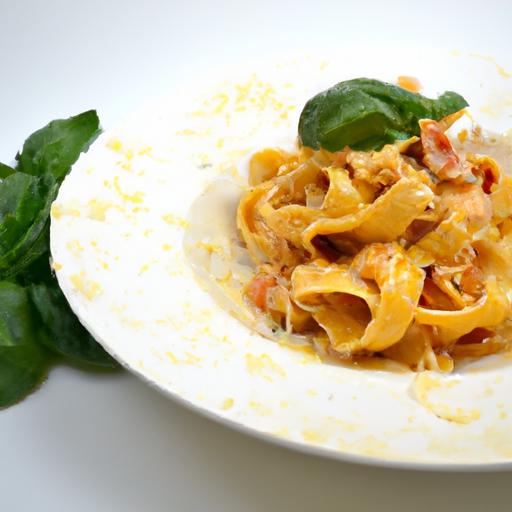

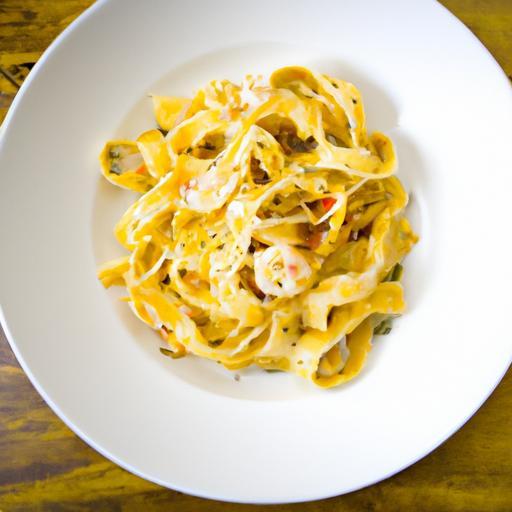
There’s a certain magic in the way food tells a story – a narrative woven through time, culture, and tradition. Fettuccine pasta, with its wide, flat ribbons of dough, is more than just a meal; it’s a delicious journey through the heart of Italian culinary heritage. From the bustling kitchens of Rome to cozy family tables across generations, fettuccine has carved out a timeless place in Italy’s gastronomic tapestry. In this article, we’ll explore the origins, evolution, and enduring allure of fettuccine pasta, uncovering how this humble strand has become a symbol of Italian tradition and an irresistible delight for food lovers worldwide.
Fettuccine pasta is more than just a beloved Italian staple-it is a culinary journey that connects centuries of tradition with the vibrant heart of italian cuisine. Originating in the Lazio region,especially Rome,this ribbon-shaped pasta has evolved from a humble homemade staple into a celebrated dish gracing tables worldwide. The delicate balance between tender dough and savory sauces invites cooks to explore authentic techniques and inspired pairings, making every forkful a celebration of Italian heritage and flavor.
Prep and Cook Time
- Planning: 20 minutes
- Resting Time: 30 minutes
- Cooking Time: 3-5 minutes
- Total: Approximately 1 hour
Yield
Serves 4
Difficulty Level
Medium – Grate for those agreeable with basic dough making and looking to elevate their pasta skills.
Ingredients
- 2 cups all-purpose flour, sifted, plus extra for dusting
- 3 large eggs, at room temperature
- 1 tbsp olive oil (optional, for added elasticity)
- Pinch of fine sea salt
Instructions
- Create the dough base: On a clean surface, mound the sifted flour and shape it into a well. Crack the eggs into the center and add a pinch of salt and olive oil if using.
- Incorporate ingredients: Using a fork, gently whisk the eggs while slowly drawing flour from the edges into the mixture. Be patient and intentional to avoid cracking the flour walls.
- Knead the dough: When the mixture thickens, begin kneading with your hands for about 10 minutes until the dough is smooth and elastic.Wrap in plastic and rest for at least 30 minutes to relax gluten and enhance texture.
- Roll out the dough: Dust your surface and rolling pin lightly with flour. Roll the dough into a thin sheet, about 1/16 inch thick. for sturdier pasta, slightly thicker can be acceptable depending on sauce choice.
- Cut fettuccine ribbons: lightly dust the dough sheet to prevent sticking. Fold it loosely several times, then slice into 1/4-inch wide strips using a sharp knife or pasta cutter.
- Cook fettuccine: Bring a large pot of salted water to a vigorous boil. Drop the pasta ribbons in and cook 3-5 minutes or until al dente,stirring gently to separate strands.
- Drain and serve: Reserve a cup of pasta water for sauce adjustment. Drain the fettuccine and toss with your signature sauce immediately, adding pasta water to achieve the perfect consistency.
Tips for Success
- Use room temperature eggs for better dough binding and pliability.
- If the dough is sticky, sprinkle with flour sparingly-too much flour can toughen the pasta.
- Resting the dough is crucial; it allows the gluten to relax, making rolling and cutting easier.
- Practice gentle folding before slicing to keep fettuccine ribbons uniform and prevent tearing.
- For a lighter dough texture, try mixing half all-purpose flour and half “00” Italian flour.
- Make dough ahead and refrigerate wrapped in plastic for up to 24 hours or freeze for up to one month. Thaw before rolling.
Signature Sauces to Elevate Your Fettuccine Experience
Fettuccine acts as a luxurious canvas, perfectly suited to rich, creamy, and vibrant sauces. Classic Alfredo sauce-with its lush, buttery Parmesan melt-is a timeless pairing that complements the pasta’s tender bite. For heartier options, try a slow-simmered Bolognese, where the meaty sauce clings lovingly to every ribbon, creating an indulgent harmony. Lemon-garlic olive oil with fresh herbs offers a zesty twist, highlighting delicate pasta nuances without overpowering. Don’t forget freshly cracked black pepper and a sprinkle of Parmigiano-Reggiano to complete your dish beautifully.
Serving Suggestions
- Plate the fettuccine in nested swirls to showcase its ribbon shape elegantly.
- garnish with finely chopped Italian parsley or fresh basil leaves for color and aroma.
- Sprinkle toasted pine nuts or a light dusting of truffle oil for a gourmet touch.
- Pair with freshly grated Parmigiano-Reggiano to enrich each bite with savory depth.
- Serve alongside a crisp green salad with lemon vinaigrette to balance richness.
Pairing Wine and Fettuccine: A Guide to Authentic Italian Flavors
choosing the right wine enhances the entire fettuccine experience. For creamy Alfredo, a buttery Chardonnay or a lightly oaked white pairs flawlessly, complementing the sauce’s richness. With tomato-based or meat sauces, look to a robust Chianti or Barbera from Tuscany-it’s classic and dynamic, balancing acidity and tannins with the dish. For herbaceous or citrus-forward presentations, such as lemon-garlic fettuccine, a crisp Vermentino or Pinot Grigio brightens the palate.Let your wine selection be a guided journey through Italy’s diverse terroirs, enriching each bite and sip.
| Nutrient | Per Serving |
|---|---|
| Calories | 320 kcal |
| Protein | 11 g |
| Carbohydrates | 53 g |
| Fat | 4.5 g |
Internal link: For more on Italian pasta shapes and their sauces, see our Classic Italian Pasta Shapes guide.
External link: Learn about Italian pasta heritage at Accademia Italiana della Pasta.

Q&A
Q&A: Fettuccine Pasta – A Delicious Journey Through Italian Tradition
Q1: What is fettuccine pasta, and how did it originate in Italian cuisine?
A1: Fettuccine is a type of long, flat ribbon pasta that hails from the heart of Italy, particularly the Lazio region surrounding Rome. Its name means “little ribbons” in Italian, perfectly describing its shape. Legend has it that fettuccine gained fame in the early 20th century when Roman actress and gourmet Elsa Maxwell raved about “fettuccine Alfredo” during a visit to Rome, turning this humble pasta into an international celebrity.Traditionally handmade from simple ingredients-flour and eggs-fettuccine reflects the italian ethos: culinary magic from humble origins.
Q2: What makes fettuccine unique compared to other pasta types?
A2: Unlike spaghetti or linguine,fettuccine boasts a wider,thicker ribbon that cradles rich,creamy sauces like no other pasta can. Its flat surface area allows sauces to cling exquisitely, resulting in a luxurious bite. It’s the pasta equivalent of a cozy hug, perfectly balancing texture and flavor. Whether tossed in a buttery Alfredo sauce or a hearty ragù, fettuccine invites you to savor each mouthful.
Q3: How is fettuccine typically prepared and served in Italy?
A3: In Italy, fettuccine is often made fresh, rolled by hand and cut with care into those signature ribbons. It’s cooked al dente-tender yet firm-and traditionally paired with simple, vibrant sauces that highlight quality ingredients. Classic dishes include Fettuccine Alfredo, a creamy concoction of butter and Parmesan cheese, and Fettuccine al ragù, slow-cooked meat sauces that evoke rustic countryside dinners. Italian chefs emphasize balance: the sauce should complement,not overpower,the pasta.
Q4: Can you recreate conventional fettuccine dishes at home? Any tips?
A4: Absolutely! Begin with fresh eggs and high-quality flour for an authentic dough. Roll it thin-patience and a rolling pin (or pasta machine) are key-and cut ribbons about a quarter-inch wide. Cook briefly in salted boiling water until they float to the top, signaling perfection. For the sauce, keep it simple: simmer butter and cheese or slow-cook your favorite ragù. Don’t rush-allowing flavors to meld creates blissful depth. And remember, Italian cooking is as much about joy and sharing as it is indeed about technique.
Q5: Why has fettuccine remained a beloved staple worldwide?
A5: Fettuccine’s enduring charm lies in its versatility and comforting appeal. It’s a canvas for countless sauces and culinary creativity, bridging the gap between elegant dining and home-cooked warmth. Beyond taste, it embodies a rich cultural narrative-the artistry of handmade pasta and the timeless Italian tradition of celebrating food as an expression of love and heritage. Every forkful connects us to a vibrant history, inviting a delicious journey through Italy’s culinary soul.
The Conclusion
As the last forkful of creamy fettuccine melts away,we find ourselves not just savoring a dish,but embracing a rich tapestry woven through centuries of Italian heritage. From humble beginnings in rustic kitchens to elegant dining tables around the world, fettuccine pasta remains a timeless ambassador of tradition, flavor, and culture. Whether twirled in a simple butter sauce or lavishly dressed in decadent Alfredo, each bite invites us to partake in a delicious journey-one that celebrates the artistry and passion at the heart of Italian cuisine. So next time you hear the gentle call of fettuccine, answer with an open heart and a hungry appetite, ready to explore the enduring legacy behind every strand.