
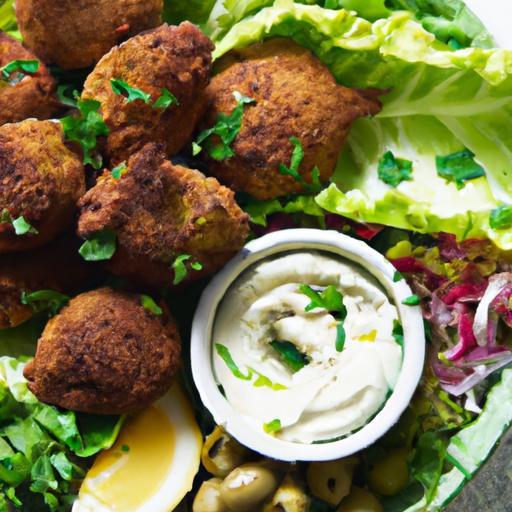
Hidden within the bustling markets and sun-drenched streets of the Middle east lies a culinary treasure that has captivated taste buds around the world: falafel. These golden, crispy spheres of spiced chickpea goodness are more than just a street food staple-they are a cultural icon, a symbol of tradition, and a appetizing puzzle waiting to be unraveled. In this article, we journey beyond the crunchy exterior to unveil the rich history, diverse recipes, and irresistible flavors that make falafel a beloved delight from Cairo to New York. Prepare to discover the secrets behind its perfect crunch, the stories that shape its legacy, and why falafel continues to win hearts and palates across the globe.
Falafel Unveiled offers a delicious plunge into the crispy, herbaceous world of Middle Eastern cuisine. This beloved street food, with its golden-crisp exterior and tender, fragrant interior, tells a rich story of cultural tradition and culinary ingenuity. Whether enjoyed from a bustling market in Cairo or made fresh in your home kitchen, falafel is a symbol of communal sharing, resourcefulness, and timeless flavor. Its roots trace back centuries, likely originating in Egyptian Coptic Christian communities as a nourishing meat substitute during Lent. today, it spans borders, uniting diverse Middle Eastern cultures through its hearty, plant-based goodness.
Prep and Cook Time
- Preparation: 20 minutes
- Soaking: 12 hours (for dried chickpeas)
- Cooking (frying): 10 minutes
- Total Time: Approximately 12 hours 30 minutes (including soaking)
Yield
Makes approximately 20 medium falafel balls, serving 4 to 5 people as a main dish or appetizer.
Difficulty Level
Medium – Requires soaking and food processor skills but results in a perfectly textured falafel every time.
Ingredients
- 1 cup dried chickpeas (do not use canned; soaking is essential)
- 1 small onion, roughly chopped
- 4 cloves garlic, peeled
- 1 cup fresh parsley, packed
- 1 cup fresh cilantro, packed
- 1 tsp ground cumin
- 1 tsp ground coriander
- ½ tsp cayenne pepper (optional for a mild kick)
- 1 tsp baking powder
- 3 tbsp all-purpose flour (or chickpea flour for gluten-free)
- Salt and freshly ground black pepper to taste
- Vegetable oil for frying (enough to submerge falafel balls)
Instructions
- soak the chickpeas: Rinse the dried chickpeas, then cover with cold water in a large bowl. Soak for at least 12 hours or overnight. Drain thoroughly.
- Prepare the mixture: In a food processor, combine chickpeas, onion, garlic, parsley, and cilantro. Pulse until coarsely ground - the mixture should be grainy but stick together when pressed.
- Season and bind: Transfer the mixture to a bowl. Add cumin, coriander, cayenne, baking powder, flour, salt, and pepper. Mix well.If too wet, add more flour sparingly.
- Chill the mixture: Cover and refrigerate for 1 hour to firm up-this helps falafel hold their shape and fry up crispy.
- Shape falafel balls: Using wet hands or a falafel scoop, form the mixture into balls about the size of a walnut (roughly 1 ½ inches diameter).
- Heat the oil: In a deep, heavy-bottomed pan or deep fryer, heat vegetable oil to 350°F (175°C). Use a thermometer for accuracy.
- Fry the falafel: Carefully lower falafel balls into the hot oil in batches, avoiding overcrowding. Fry for 3-5 minutes until golden brown and crispy, turning occasionally.
- Drain and rest: Use a slotted spoon to transfer falafel to a paper towel-lined plate. let rest for 1-2 minutes to drain excess oil before serving.
Tips for Success
- Soaking: Never skip soaking dried chickpeas; canned chickpeas are too soft and yield mushy falafel.
- Texture: The mixture should be grainy, not pureed. Pulse carefully in the food processor to avoid a paste.
- Herbs: Fresh parsley and cilantro are crucial for authentic flavor and vibrant color.
- Oil temperature: Maintain 350°F; oil that’s too hot burns falafel outside while leaving inside raw, too cool makes them greasy.
- Make-ahead: Falafel mix can be refrigerated for up to 24 hours or frozen in shaped balls to fry later.
Serving Suggestions
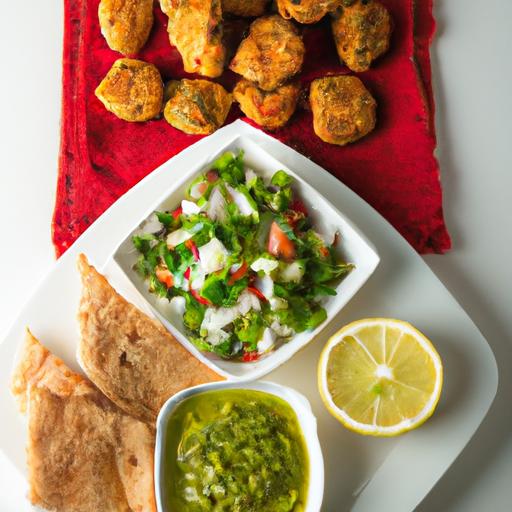
Present falafel piping hot alongside warm pita bread or flatbreads, drizzled with creamy tahini sauce and pickled vegetables. A fresh salad of cucumber,tomato,and red onion enhances the crisp flavors. For an indulgent touch, serve with a dollop of cool yogurt or spread, or stuff into pita pockets topped with chopped herbs and a squeeze of lemon.
Try pairing these crispy delights with tahini sauce basics to elevate flavors authentically. For inspiration on complementary Middle Eastern dishes, check our internal guide on The Ultimate Hummus Recipe.
| Nutrient | Per 3 Falafel Balls |
|---|---|
| Calories | 220 kcal |
| Protein | 8 g |
| Carbohydrates | 25 g |
| Fat | 10 g |

Q&A
Q&A: Falafel Unveiled – The Crispy Middle Eastern Delight Explained
Q1: What exactly is falafel?
A1: Falafel is a beloved Middle Eastern snack, a golden-hued ball or patty crafted from ground chickpeas or fava beans, mixed with fragrant herbs and spices.Deep-fried to crispy perfection, it offers a crunchy exterior that gives way to a soft, flavorful interior-making every bite a testament to culinary magic.
Q2: Where did falafel originate?
A2: While the exact birthplace of falafel is debated, it’s widely believed to have roots in Egypt, where early versions were made from fava beans. From there, it journeyed across the Levant-Lebanon, Syria, Israel, and beyond-evolving into the chickpea-based form many adore today. Falafel is truly a dish that tells the story of cultural interweaving.
Q3: What ingredients make falafel so special?
A3: the magic lies in simplicity blended with herbs and spices that sing in harmony. Ground chickpeas or fava beans form the base, combined with fresh parsley, cilantro, garlic, onion, cumin, coriander, and sometimes a pinch of cayenne for warmth. Bind these with a touch of flour or chickpea flour, and you’re ready to create that iconic crispy sphere.
Q4: How is falafel traditionally prepared?
A4: Traditionally, falafel batter is never baked or boiled; it’s always deep-fried in hot oil. This rapid plunge into bubbling oil crisps the outside to an irresistible texture,locking in moisture and flavor inside. The result? A crunchy shell that contrasts perfectly with the tender, herbaceous center.
Q5: How is falafel typically served?
A5: falafel shines brightest when paired with fresh accompaniments. Commonly tucked inside warm pita bread, it’s garnished with tahini sauce, pickled vegetables, fresh salad, and sometimes a splash of spicy harissa or cooling yogurt. This medley balances the richness of falafel and creates a vibrant, satisfying meal.
Q6: Is falafel healthy?
A6: While falafel is deep-fried, its primary ingredients-legumes and herbs-are naturally nutrient-packed.chickpeas provide fiber, protein, and essential vitamins.When enjoyed in moderation and with fresh sides, falafel can be part of a balanced diet that delights your taste buds without guilt.
Q7: Can falafel be adapted for different diets?
A7: Absolutely! Being plant-based,falafel is inherently vegan and vegetarian-friendly. For gluten-free diets, chickpea flour can replace wheat flour as a binder. Some modern cooks bake falafel rather of frying to reduce oil content, though purists argue that frying is the key to authentic texture and flavor.
Q8: what makes falafel so globally beloved?
A8: Falafel’s worldwide charm stems from its perfect marriage of texture, flavor, and versatility.It’s portable, affordable, and deeply satisfying-a vessel for cultural stories and culinary creativity alike. Whether street food or restaurant delicacy, falafel invites everyone to experience a crispy bite of Middle Eastern heritage.
Q9: any tips for making falafel at home?
A9: Yes! Always soak dried chickpeas overnight rather of using canned ones to achieve the right texture. Avoid over-processing the mixture-it should be coarse,not mushy. Fry in hot oil (about 350°F/175°C) in small batches to ensure even cooking,and drain on paper towels to keep that coveted crisp. Most importantly, don’t rush; patience yields perfection.
Q10: What’s the future of falafel?
A10: Falafel continues to inspire chefs and home cooks worldwide. From fusion variants stuffed with cheese or topped with inventive sauces to mini-burger sliders and beyond, this humble dish is evolving while honoring its roots. The future is bright-and crispy-for falafel lovers everywhere.
In Retrospect
as we wrap up our flavorful journey through the world of falafel, it’s clear that this humble fritter is much more than just a crispy snack. Rooted deeply in Middle Eastern culture and history, falafel embodies centuries of tradition, innovation, and communal spirit. Whether enjoyed wrapped in warm pita, smeared with tahini, or savored on its own, each bite tells a story of bold spices, timeless recipes, and the art of perfect frying. So next time you reach for a piece of this golden delight, you’ll know you’re tasting a delicious chapter of a rich culinary heritage-crisped to perfection, and ready to be shared.