
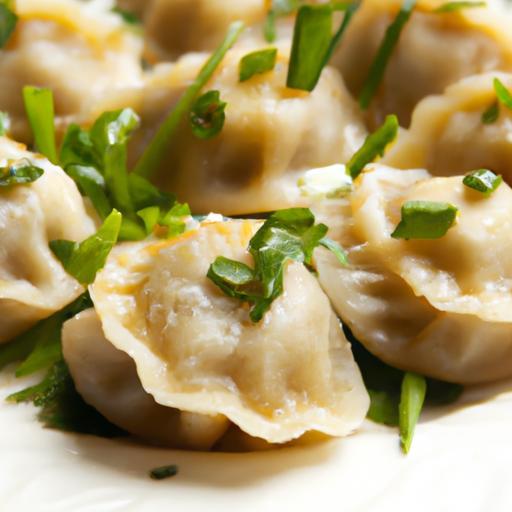
From teh bustling street markets of Asia to the cozy kitchens of Eastern Europe, dumplings have long been a beloved culinary treasure, weaving together cultures and traditions with every tender bite. These humble pockets of dough, filled with an endless array of savory ingredients, tell stories of heritage, creativity, and comfort that transcend borders. In “Dumplings Delight: A Savory Journey Through Global Flavors,” we embark on an exploration of these versatile morsels-from steaming baskets of chinese jiaozi to hearty Polish pierogi, spicy South American empanadas to delicate Italian ravioli. Join us as we unwrap the rich history and diverse tastes behind dumplings worldwide, discovering how this simple dish has become a universal symbol of nourishment and community.
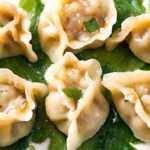
Dumplings Delight invites you to embark on a flavorful journey where East meets West through the timeless art of dumpling making. These delicate parcels, bursting with diverse fillings and encased in tender dough, tell stories of cultural heritage and culinary innovation. Whether you’re shaping traditional chinese jiaozi, savoring the cozy embrace of Polish pierogi, or exploring inventive fusion twists, mastering dumpling wrapping elevates your kitchen craft to an art form full of tactile joy and visual beauty.
Prep and Cook Time
- Preparation: 45 minutes
- Cooking: 15 minutes
- Total Time: 1 hour
Yield
Makes approximately 30 medium-sized dumplings
Difficulty Level
Medium – a rewarding challenge for anyone wishing to master dumpling techniques
Ingredients
- Wrapper Dough:
- 2 cups all-purpose flour, sifted
- ¾ cup warm water
- ½ tsp salt
- Classic Pork & Cabbage Filling:
- 1 cup finely chopped Napa cabbage
- ½ lb ground pork (preferably 20% fat)
- 2 green onions, minced
- 1 tbsp grated fresh ginger
- 2 cloves garlic, minced
- 1 tbsp soy sauce
- 1 tbsp toasted sesame oil
- ½ tsp white pepper
- 1 tsp cornstarch
- Optional dipping sauce:
- 3 tbsp soy sauce
- 1 tbsp rice vinegar
- 1 tsp chili oil (adjust to taste)
- 1 tsp finely chopped fresh cilantro
Instructions
- Prepare the dough: In a mixing bowl, combine the flour and salt. Slowly add the warm water while stirring with chopsticks or a fork until a shaggy dough forms.
- Knead the dough on a lightly floured surface for about 8 minutes until smooth and elastic. Cover with a damp towel and let rest for 30 minutes to hydrate fully.
- Make the filling: Blanch the chopped napa cabbage in boiling water for 1 minute, then drain and squeeze out excess moisture using a clean kitchen towel.
- In a bowl,mix the ground pork,cabbage,green onions,ginger,garlic,soy sauce,sesame oil,white pepper,and cornstarch. Stir until the mixture is uniform and slightly sticky-this ensures juicy, cohesive filling.
- Roll out wrappers: Divide the rested dough into 30 equal portions. Roll each piece into a thin, 3-inch diameter circle, dusting lightly with flour to prevent sticking.
- Wrap the dumplings: Place about 1 tablespoon of filling in the center of each wrapper. Fold the wrapper in half over the filling to create a semicircle.press the edges firmly and pleat one side for an airtight seal and elegant appearance.
- Cook the dumplings: Choose your preferred method-
- Boiling: Cook in boiling water for 6-8 minutes until they float and the filling is cooked through.
- Steaming: Place on parchment paper and steam over simmering water for 10 minutes.
- Pan-frying (potstickers): Heat 2 tbsp oil in a skillet over medium. Arrange dumplings and fry until bottoms are golden, about 3 minutes. Add ¼ cup water, cover, and steam for 5 minutes until water evaporates.
- Serve immediately with a side of the dipping sauce for that satisfying blend of salty, tangy, and spicy notes.
Tips for Success
- Keep the dough covered with a damp cloth throughout to prevent it from drying out.
- Don’t overfill the wrappers; this can cause bursts during cooking.A modest amount ensures even cooking and easy folding.
- If you’re new to pleating, try the half-moon fold first, then experiment with more intricate pinching techniques as your confidence grows.
- For vegetarian variations, substitute pork with finely chopped shiitake mushrooms, tofu, or a mix of root vegetables.
- Make-ahead: Assemble dumplings and freeze them on a baking sheet overnight.Transfer frozen dumplings to a ziplock bag. Cook from frozen adjusting time slightly.
Satisfying Serving Suggestions
Present your dumplings on a rustic wooden board or a delicate ceramic platter for a striking contrast. Garnish with thinly sliced scallions,toasted sesame seeds,or a drizzle of chili oil for visual appeal.
Pair with a light, floral jasmine tea or a crisp, dry Riesling to deepen the sensory experience. For a family-style meal, complement dumplings with a simple cucumber salad tossed in rice vinegar and garlic to brighten the palate.
| Nutritional Details (per 6 dumplings) | Calories | Protein | Carbs | Fat |
|---|---|---|---|---|
| Pork & Cabbage Dumplings | 280 | 15g | 25g | 10g |

For those inspired by this recipe, explore our full guide on Asian Flavor Fusion Recipes for exciting twists to your dumplings collection. Learn about the history and varieties of dumplings worldwide through the Encyclopedia Britannica overview, an authoritative source packing cultural insights and cooking tips.
Q&A
Q&A: Dumplings Delight – A Savory Journey Through Global Flavors
Q1: What makes dumplings such a beloved dish around the world?
A1: Dumplings have an enchanting quality-they’re tiny parcels bursting with flavor,comfort,and culture. Their universal appeal lies in their versatility: from the tender folds of Chinese jiaozi to the hearty pierogis of Eastern Europe,dumplings adapt to local ingredients and traditions,creating delicious stories wrapped in dough.Q2: How do dumplings differ across various cultures?
A2: While their core essence-dough encasing a filling-remains constant, dumplings vary tremendously in shape, cooking methods, and flavors. In Japan, gyoza are pan-fried to achieve crispy edges; in Italy, ravioli swim in rich sauces; in India, modaks are sweet steamed delights. Each culture infuses its dumplings with unique spices and fillings, reflecting geography and history.
Q3: Can dumplings be both savory and sweet?
A3: Absolutely! Though dumplings often conjure images of savory meats and vegetables, many traditions celebrate sweet versions. For example, Chinese tangyuan are glutinous rice dumplings filled with sweet sesame or red bean paste, served in syrup. similarly, Eastern European sweet pierogis are stuffed with fruits or sweet cheese, showcasing the dumpling’s dual personality.
Q4: What are some popular cooking methods for dumplings?
A4: Dumplings are as versatile in preparation as in flavor. Steaming preserves delicate textures, boiling yields tender bites, pan-frying creates a delightful crispness, and deep-frying adds a golden crunch. The cooking method frequently enough highlights regional preferences and the nature of the filling.
Q5: Why should food lovers embark on a ‘dumplings journey’?
A5: traveling through dumplings is like tasting the world in miniature form-each bite a passport stamped with history,culture,and creativity. Exploring global dumplings not only delights the palate but also fosters recognition for the shared human love of simple,comforting food crafted with care and imagination.
Q6: How can someone start making dumplings at home?
A6: Begin with a basic dough recipe and a simple filling-pork and cabbage for starters is a classic. Watch tutorial videos to master folding techniques; don’t fret over perfect shapes, as rustic charm adds character. Experimentation is key-try different fillings,spices,and cooking styles to find your own dumpling signature.Q7: What are some lesser-known dumplings worth discovering?
A7: Beyond the famous jiaozi and ravioli lie hidden gems like Nepal’s momos-spiced and steamed Himalayan treats; South African vetkoek-a deep-fried bread frequently enough stuffed with savory fillings; and Georgian khinkali-juicy, soup-filled dough pockets that demand a delicate sipping technique. Unearthing these dumplings can be a delicious adventure off the beaten culinary path.
Embarking on a savory journey through global dumplings is more then just a meal-it’s an exploration of humanity’s most comforting and creative culinary expressions. So, grab your chopsticks or fork, and dive into the delightful world of dumplings!
Concluding Remarks
As we close this flavorful chapter on dumplings, it’s clear that these humble parcels carry more than just fillings-they carry stories, traditions, and the essence of cultures from every corner of the globe. From the delicate folds of Asian dim sum to the hearty pockets of Eastern European pierogi, each bite invites us to savor a world of history and craftsmanship. Whether steamed, fried, boiled, or baked, dumplings remind us that food is a universal language, connecting us through shared tastes and timeless comfort. So next time you enjoy a dumpling, remember you’re not just tasting a dish-you’re partaking in a delicious journey that spans continents and generations, one delightful bite at a time.