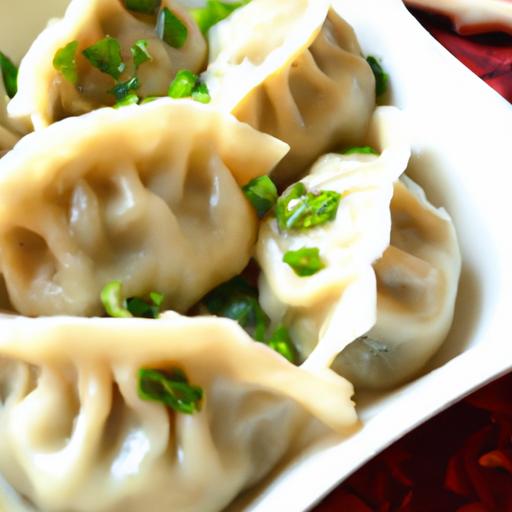

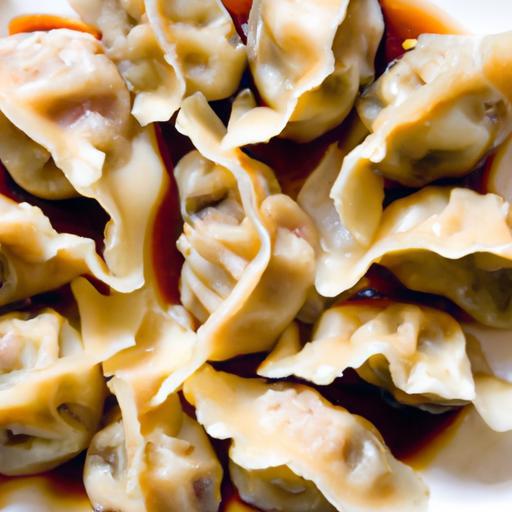
Dumplings-those humble parcels of dough cradling an array of savory fillings-are culinary treasures that transcend borders adn cultures. From the bustling streets of Beijing to the cozy kitchens of Eastern Europe, these delightful bites tell stories of tradition, innovation, and community. In this savory journey around the world, we’ll unwrap the rich history and mouthwatering varieties of dumplings, exploring how different regions transform simple ingredients into unforgettable flavors. Prepare to embark on a global feast that celebrates the art of delicious dumplings in all their diverse and delectable forms.
delicious dumplings have long been a beloved comfort food across the globe, embodying the rich culinary traditions that unite diverse cultures from Asia to Europe.Whether soft and steamed or crisp and pan-fried, each dumpling tells a story through its dough, filling, and cooking method. My dumpling journey began with a humble pork and cabbage potsticker in Beijing’s narrow alleyways, sparking a fascination with mastering perfect dumpling doughs and savoring the distinctive flavors from Japan’s gyoza to Poland’s pierogi.
Prep and Cook Time
- Preparation: 45 minutes
- Cooking: 15 minutes
- Total Time: 1 hour
Yield
Approximately 30 dumplings (serves 4 as a main course)
Difficulty Level
Medium – Ideal for eager cooks ready to explore dough-making and diverse fillings
Ingredients
- For the Dumpling Dough:
- 2 cups all-purpose flour, sifted
- 3/4 cup warm water
- 1/2 teaspoon salt
- 1 tablespoon vegetable oil
- For the Classic Pork and Cabbage filling:
- 1/2 lb ground pork (preferably with a bit of fat)
- 1 cup finely shredded Napa cabbage
- 2 scallions, finely chopped
- 1 tablespoon ginger, grated
- 2 cloves garlic, minced
- 2 teaspoons soy sauce
- 1 teaspoon toasted sesame oil
- 1/2 teaspoon freshly ground white pepper
- 1/4 teaspoon salt
- Dipping Sauce:
- 3 tablespoons soy sauce
- 1 tablespoon rice vinegar
- 1 teaspoon chili oil (optional)
- 1 teaspoon finely chopped fresh cilantro
Instructions
- Prepare the dough: In a large bowl, whisk together the flour and salt.Gradually add warm water while stirring with chopsticks or a fork until a shaggy dough forms. Add vegetable oil and knead with your hands for 8-10 minutes on a floured surface until smooth and elastic. Cover with a damp cloth and rest for 30 minutes.
- Make the filling: While dough rests,gently squeeze excess moisture from shredded Napa cabbage and transfer to a bowl. Mix in ground pork, scallions, ginger, garlic, soy sauce, sesame oil, white pepper, and salt. Combine thoroughly without overmixing to keep the filling tender and juicy.
- Roll out wrappers: Divide dough into 30 equal pieces and roll each into a small ball. Using a rolling pin,flatten each ball into a thin round disc approximately 3 inches in diameter,ensuring edges are slightly thinner than the centre.
- Assemble dumplings: Place a heaping teaspoon of filling in the center of each wrapper. Fold wrapper over filling to form a half-moon shape, pinching edges firmly to seal. Experiment with pleating edges for an elegant finish.
- Cook dumplings: Choose your preferred technique:
- Steaming: Arrange dumplings on parchment paper inside a steaming basket. Steam over boiling water for 10-12 minutes until translucent and cooked through.
- Pan-frying (potstickers): Heat 2 tablespoons vegetable oil in a nonstick skillet over medium-high heat. Add dumplings in a single layer and fry until golden brown on the bottoms (about 3-4 minutes). Carefully add 1/3 cup water, cover promptly, and steam until water evaporates (5-6 minutes). Uncover and crisp again for 1-2 minutes.
- Boiling: Drop dumplings into boiling salted water, stirring gently. Cook until they float and continue boiling for 2 more minutes (about 6-7 minutes total). Drain well.
- Serve: Plate the dumplings with dipping sauce and garnish with cilantro or chopped scallions. Enjoy warm, pairing with a cup of jasmine tea or Asian-inspired cocktails.
tips for Success and variations
- Alternate flours: Substitute up to half the all-purpose flour with whole wheat for a nuttier wrapper texture.
- Make ahead: Freeze uncooked dumplings on trays; transfer to bags for up to two months. cook from frozen, adding 2-3 extra minutes to cooking time.
- Vegetarian filling: Use finely chopped mushrooms, tofu, grated carrot, and cabbage with soy sauce and ginger for a flavorful plant-based option.
- Proper dough hydration: Adjust water slightly if dough feels too dry or sticky; often humidity affects absorption.
- Seal tight: To avoid leaks while cooking, moisten edges with water before folding, and press firmly.
Serving Suggestions
Present your dumplings on elegant ceramic plates or bamboo steamers to highlight their cultural roots. Garnish with toasted sesame seeds, sliced scallions, and a small bowl of dipping sauce for each guest. For enhanced flavor, accompany with pickled vegetables or a light cucumber salad refreshing the palate.
| Nutritional Info (per serving) | calories | Protein | Carbs | Fat |
|---|---|---|---|---|
| Dumplings (7-8 pcs) | 320 kcal | 18 g | 34 g | 10 g |

For a deeper dive into Asian dumpling varieties and techniques, check out our Asian Dumpling Recipes. If you want to explore the health benefits of fermented dipping sauces,this Medical News Today article offers expert insights.
Q&A
Q&A: Delicious Dumplings – A Savory Journey Around the World
Q1: What exactly makes a dumpling a dumpling?
A: At its heart, a dumpling is a versatile culinary marvel-small parcels of dough filled or unfilled, steamed, boiled, fried, or baked. What unites dumplings across cultures isn’t just their shape or cooking method, but their role as comforting, often hand-held pockets of flavor that tell stories of tradition and creativity.
Q2: Why do so many cultures have their own versions of dumplings?
A: Dumplings are as universal as storytelling. They arise from the humble need to stretch ingredients, preserve meats and veggies, and transform simple dough into something magical. Every culture adapts dumplings to local tastes, ingredients, and rituals, turning them into edible heritage.
Q3: Can you give some mouth-watering examples of dumplings worldwide?
A: Absolutely! Picture Chinese jiaozi-delicate crescent-shaped pockets of pork and cabbage; Italian ravioli-pillows of cheese or spinach embraced by silky pasta; Polish pierogi-hearty dough filled with potatoes, cheese, or mushrooms; Indian modak-sweet dumplings bursting with coconut and jaggery; and South American empanadas-savory stuffed pastries with a crispy, flaky crust.
Q4: Are dumplings always savory?
A: Not at all! While many dumplings are savory, celebrating meats, spices, and vegetables, some cultures specialize in sweet varieties. From Chinese tangyuan filled with sweet sesame paste to Eastern European fruit-filled vareniki, dumplings can satisfy both the savory cravings and the sweet tooth.
Q5: How have modern chefs reinvented dumplings?
A: Today’s culinary artists blend tradition with innovation, experimenting with fusion fillings like kimchi and cheese, incorporating gluten-free or vegan doughs, and even turning dumplings into desserts with exotic fruits or chocolate. Dumplings remain a playground for creativity without losing their soul connection to comfort food.
Q6: What’s the best way to enjoy dumplings authentically?
A: Dive into the experience! Savoring dumplings isn’t just about flavor-it’s sharing, dipping sauces, steamed aromas, and even the conversations over the table. whether in a bustling night market, a cozy kitchen, or a fine dining restaurant, embrace the cultural context and communal spirit dumplings frequently enough bring.
Q7: Any tips for making dumplings at home for beginners?
A: Start simple! Use store-bought dough to focus on the filling.Keep fillings moist but not too wet, seal edges firmly to avoid leaks, and don’t overcrowd the pot or pan. Steam or pan-fry to practice different textures, and most importantly-be patient. Dumpling making is an art and a joyous ritual.
Q8: why do dumplings hold such a special place in celebrations?
A: Dumplings symbolize unity, prosperity, and good fortune in many cultures. For example,they’re a must-have during Chinese New Year to usher in wealth,while in Eastern europe,they grace Christmas tables as comfort and blessing.Sharing dumplings becomes a delicious ritual to honor family, heritage, and hope for the future.
In retrospect
As we close this flavorful exploration of dumplings from every corner of the globe, it’s clear that these humble parcels of dough hold more than just delicious fillings-they carry stories, traditions, and the rich tapestry of cultures that created them. Whether steamed, fried, boiled, or baked, dumplings invite us to savor not only their diverse tastes and textures but also the shared human love for comfort food that transcends borders. So next time you bite into a plump pierogi,a silky xiao long bao,or a fragrant samosa,remember you’re partaking in a savory journey that connects us all. The world’s dumplings await-ready to delight your palate and inspire your culinary curiosity with every delicious bite.