
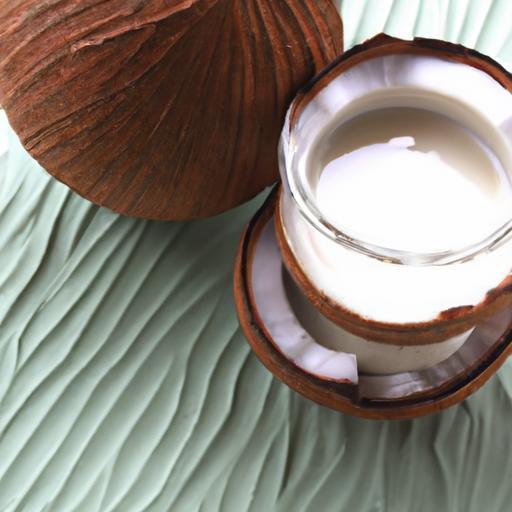
Imagine a silky, luscious liquid that carries the essence of tropical sunshine adn verdant palms-welcome to the world of coconut milk, nature’s creamy elixir. More than just a flavorful ingredient, this rich, velvety nectar has been cherished for centuries, weaving its way from conventional island kitchens to modern superfood shelves around the globe. Packed with nourishing fats, antioxidants, and a subtle sweetness, coconut milk is as much a boon to health as it is a versatile culinary gem. In this article, we’ll explore how this natural marvel enhances both well-being and flavor, inviting you to savor its many delights beyond the simple sip.
Coconut milk unlocks a world of rich, velvety texture and vibrant flavor that transforms everyday meals into memorable culinary experiences. Originating from tropical regions where the coconut palm reigns supreme, this creamy elixir carries centuries of tradition and health wisdom in every spoonful. Its unique combination of nourishing fats, essential nutrients, and subtle sweetness makes it not just an ingredient but a nutritional powerhouse you’ll want to keep within arm’s reach in your kitchen.
Prep and Cook Time
Preparation: 10 minutes | Cooking: 25 minutes | Total Time: 35 minutes
Yield
Serves 4 hearty portions
difficulty Level
Medium – perfect for home cooks wanting to master bold, healthful flavors with confidence
Ingredients
- 1 can (400 ml) full-fat coconut milk, well shaken for creaminess
- 2 tbsp coconut oil or neutral vegetable oil
- 1 medium onion, finely diced
- 3 garlic cloves, minced
- 1-inch piece fresh ginger, grated
- 1 large carrot, thinly sliced
- 1 red bell pepper, chopped
- 1 large sweet potato, peeled and cubed
- 1 tsp ground turmeric
- 1 tsp ground coriander
- 1/2 tsp chili flakes (optional for heat)
- Salt and pepper, to taste
- Juice of 1 lime
- Fresh cilantro for garnish
- Cooked jasmine rice, to serve
Instructions
- Heat the coconut oil in a large skillet or saucepan over medium heat until shimmering. Add the diced onion and sauté until translucent and fragrant, about 5 minutes, stirring occasionally to prevent sticking.
- Add minced garlic and grated ginger and cook for another 1-2 minutes, stirring continuously to release their aromatic oils.
- Mix in the turmeric, coriander, and chili flakes, letting the spices toast lightly for 30 seconds-this step wakes up their flavors beautifully.
- Add the sliced carrot, chopped bell pepper, and cubed sweet potato, stirring well so the vegetables are coated in the fragrant spice blend.
- Pour in the full-fat coconut milk slowly, stirring to combine. Bring the mixture to a gentle simmer, reduce heat to low, cover, and cook for 20 minutes or until the vegetables are tender but not mushy.
- Season with salt and pepper and stir in the fresh lime juice to brighten the flavors.
- Serve immediately over steaming jasmine rice and garnish with a generous sprinkle of fresh cilantro leaves for a burst of color and freshness.
Chef’s Notes: Tips for Success
- For a lighter version, substitute part of the coconut milk with vegetable broth-but preserve at least half coconut milk for that silky texture.
- Spice it up with freshly sliced red chilies or a dash of cayenne pepper if you crave more heat.
- Make ahead: This dish tastes even better after resting overnight in the fridge. Reheat gently and add a splash of water or coconut milk to loosen the sauce.
- Nut free alternative: Coconut milk is naturally nut-free and dairy-free, making it ideal for allergy-friendly meals.
- Texture tip: For an ultra-smooth sauce, blitz the mixture briefly with an immersion blender before adding lime juice and garnish.
Serving Suggestions
This luscious blend of coconut milk and spices pairs brilliantly with fluffy jasmine rice or warm, crusty bread to soak up every drop of the creamy sauce. For a vibrant meal, serve alongside a fresh cucumber salad tossed with lime and chili flakes. Garnish with toasted coconut flakes or chopped roasted cashews to add delightful crunch and amplify the tropical vibe. A side of sautéed greens like spinach or kale rounds out the meal with added nutrients and color.
| Nutrient | per Serving |
|---|---|
| Calories | 320 |
| Protein | 5 g |
| Carbohydrates | 35 g |
| Healthy Fats | 18 g |

unlock the health benefits backed by science and savor the culinary magic of coconut milk every time you create this comforting, wholesome dish. For more ways to incorporate coconut milk into your kitchen repertoire, check out these tropical dessert recipes. To deepen your knowledge about coconut milk’s nutritional profile, visit the British Nutrition Foundation.
Q&A
Q&A: Coconut Milk – Nature’s Creamy Elixir for Health and flavor
Q1: What exactly is coconut milk, and how is it made?
A1: Coconut milk is the luscious, creamy liquid extracted by blending grated mature coconut flesh with water. The mixture is then strained to yield a rich, velvety milk that carries the tropical essence of the coconut palm. Unlike coconut water, which is the clear liquid inside young coconuts, coconut milk is dense and opaque, boasting a silky texture that enchants both the palate and the senses.
Q2: Why is coconut milk often called “nature’s creamy elixir”?
A2: Dubbed “nature’s creamy elixir,” coconut milk is celebrated for its luxurious creaminess derived solely from a natural source-no dairy or artificial additives needed. Packed with nourishing fats and subtle sweetness, it offers a wholesome indulgence that elevates both savory and sweet dishes with its exotic allure. It’s like the coconut’s gift to our health and culinary creativity, wrapped in a silky splash.
Q3: What are the key health benefits of incorporating coconut milk into your diet?
A3: Coconut milk is a treasure trove of medium-chain triglycerides (MCTs), which are easily digested fats that the body can quickly convert into energy. These fats may support brain health, weight management, and improved metabolism. Additionally, coconut milk contains antioxidants and minerals like iron, magnesium, and potassium, which contribute to immune support and muscle function. Its natural anti-inflammatory properties can also soothe and nourish from within.
Q4: Can coconut milk be used as a dairy substitute?
A4: Absolutely! Coconut milk is a popular dairy-free alternative beloved by vegans and lactose-intolerant individuals alike. Its creamy consistency makes it ideal for replacing milk or cream in coffee, smoothies, soups, and desserts. Plus, it adds a subtle coconutty flavor that can transform everyday recipes into tropical delights.
Q5: How versatile is coconut milk in cooking?
A5: Exceptionally versatile! Coconut milk transitions gracefully from fiery curries and velvety soups to rich baked goods and chilled desserts. It enhances sauces,marinades,and beverages with a tropical twist,while its fat content lends body and depth to recipes.Weather simmered in spicy Southeast Asian dishes or blended into creamy puddings, coconut milk is a culinary chameleon that infuses flavor and creaminess effortlessly.
Q6: Are there different types of coconut milk available?
A6: Yes! You’ll find full-fat coconut milk, which is thick and rich-perfect for decadent recipes-and light coconut milk, which has a thinner consistency and fewer calories, great for lighter dishes. There’s also canned, carton, and fresh coconut milk, each differing slightly in texture and shelf life. Understanding these types helps you choose the best coconut milk for your culinary adventure.Q7: How should coconut milk be stored and used to maintain freshness?
A7: Once opened, coconut milk should be stored in an airtight container and refrigerated, where it usually stays fresh for up to 4-5 days. Give it a good stir or shake before use, as natural separation of cream and water is common and perfectly normal. For longer storage,coconut milk freezes well but note that texture changes may occur,so it’s often best used in cooked dishes after freezing.
Q8: Can coconut milk be part of a balanced diet?
A8: Definitely! When consumed in moderation, coconut milk is a delightful addition to a balanced diet. Its satisfying fats can help maintain fullness and provide energy, especially within plant-based or low-carb eating plans. Pair it with a variety of fruits, veggies, grains, and proteins to create nourishing meals that offer both flavor and wellness benefits.
Q9: Any creative tips to elevate your coconut milk experience?
A9: Infuse your coconut milk with aromatic spices like cinnamon, cardamom, or turmeric for a warming twist. whip it into coffee for a creamy tropical latte or blend it with fresh fruit and a touch of honey for a refreshing smoothie. Use it to make homemade dairy-free ice cream or silky puddings-your imagination is the only limit when it comes to this creamy elixir from nature’s bounty!
Embrace coconut milk not just as an ingredient, but as a velvety invitation to explore healthful, flavorful horizons. Nature’s creamy elixir awaits your culinary exploration!
Insights and conclusions
In the world of natural ingredients, coconut milk stands out as a creamy elixir that beautifully bridges the gap between flavor and wellness. From enriching your favorite dishes with its velvety texture to offering a bounty of health benefits,this tropical treasure invites us to savor nature’s generosity in every sip and bite. Whether you’re whisking it into curries, blending it into smoothies, or simply enjoying it on its own, coconut milk proves that indulgence and nourishment can go hand in hand. Embracing this luscious liquid not only delights the palate but also nurtures the body-reminding us that sometimes, the best remedies come from the simplest gifts nature has to offer.