
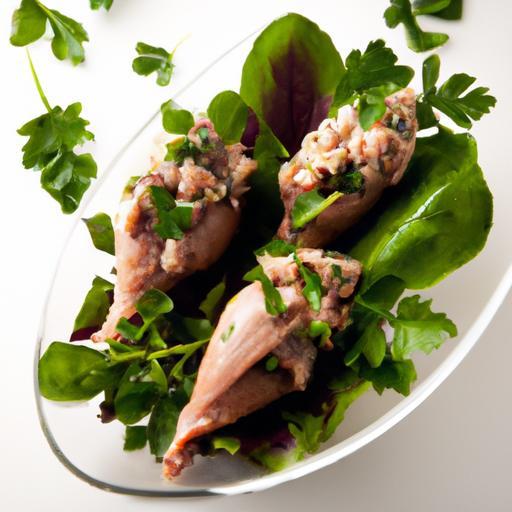
there’s something undeniably magical about the humble gemista-a vibrant tapestry of ripe tomatoes, supple peppers, and tender zucchinis, all lovingly filled with a fragrant medley of rice, herbs, and sometimes meat. Stuffed to perfection, this classic Greek dish carries centuries of tradition within each bite, blending simple, wholesome ingredients into a celebration of Mediterranean flavors. In this article, we’ll unveil the secrets behind the perfect gemista recipe, guiding you step-by-step through the art of creating these colorful parcels that are as delightful to make as they are to savor. Whether you’re a seasoned cook or a curious food lover, prepare to embark on a culinary journey that honors a timeless gem of Greek cuisine.
Stuffed to Perfection: unlocking the secrets behind the perfect Gemista starts long before the vegetables hit the oven. This beloved Greek classic, a vibrant medley of ripe tomatoes, peppers, zucchini, and aromatic herbs stuffed with a luscious rice blend, reflects generations of family kitchens and sun-drenched Mediterranean tables. My earliest memories of Gemista cradle the warm scent of fresh basil and cinnamon mingling with sizzling onions – a testament to how choosing the right ingredients elevates this simple dish into a feast for the senses.
Prep and Cook Time
- readiness: 30 minutes
- Cooking: 1 hour 15 minutes
- Total Time: 1 hour 45 minutes
Yield
- Serves 6 generous portions
Difficulty Level
- Medium – Perfect for home cooks seeking a rewarding, hands-on culinary experience
Ingredients
- 6 medium ripe tomatoes, tops sliced, pulp reserved
- 4 large green bell peppers, tops sliced, seeds removed
- 2 medium zucchinis, halved lengthwise and hollowed
- 1 cup long-grain rice, rinsed thoroughly
- 1 large onion, finely chopped
- 3 cloves garlic, minced
- 1/3 cup extra virgin olive oil
- 1/2 cup fresh parsley, chopped
- 1 tbsp fresh mint, chopped (optional)
- 1 tsp ground cinnamon
- 1 tsp dried oregano
- 1/2 cup crushed tomatoes (for layering)
- 1 cup vegetable broth
- Salt and fresh black pepper, to taste
- Juice of 1 lemon
Instructions
- Prepare the vegetables: Carefully hollow out the tomatoes, peppers, and zucchinis, reserving the pulp of the tomatoes in a bowl. set the hollowed vegetables aside and chop any pulp from peppers and zucchinis to add to the stuffing if desired.
- Sauté the aromatics: Heat 1/4 cup of olive oil in a large skillet over medium heat. Add the finely chopped onion and garlic. Sauté until golden brown, about 5 minutes, stirring occasionally to prevent sticking.
- Add the rice and spices: Stir in the rinsed rice, ground cinnamon, and oregano, coating the grains thoroughly in the olive oil and onion mixture. Cook for another 2 minutes to toast the rice lightly.
- Incorporate reserved tomato pulp and herbs: Add the reserved tomato pulp, chopped parsley, mint, salt, and pepper. Mix gently to combine. Remove from heat and allow the mixture to cool slightly.
- Stuff the vegetables: Spoon the filling into each vegetable cavity, leaving about 1/2 inch space at the top as the rice will expand during baking. Arrange them snugly in a deep baking dish.
- Layer and add liquids: Pour the crushed tomatoes evenly over and around the stuffed vegetables. Drizzle the remaining olive oil and lemon juice across the top. Carefully add the vegetable broth to the base of the dish – it should cover about 1/3 of the vegetables’ height.
- Bake the Gemista: Cover the dish tightly with aluminum foil. Bake in a preheated oven at 350°F (175°C) for 45 minutes. Remove the foil and bake uncovered for an additional 30 minutes or until the rice is tender and the vegetables are slightly caramelized on top.
- Rest and serve: Let the Gemista rest for about 10 minutes post-baking to allow the flavors to meld. Serve warm with a sprinkle of fresh herbs and a drizzle of extra virgin olive oil.
Chef’s Notes & Tips for Success
- For a richer stuffing, introduce finely diced feta cheese or ground lamb to the rice mixture before baking.
- If you prefer a vegetarian Gemista, add finely chopped mushrooms or grated carrots for additional texture and flavor.
- Make sure to rinse the rice well to remove excess starch,ensuring the grains remain fluffy instead of sticky.
- Use firm, ripe vegetables to maintain their shape after baking yet have a tender bite.
- The cinnamon is subtle but essential,imparting a warm,cozy depth to the filling-don’t omit it!
- Make ahead: Stuffed vegetables can be prepared a day in advance,covered tightly and refrigerated,then baked fresh for serving.
Serving Suggestions to Elevate Your Gemista Experience
Present your Gemista on a large rustic platter garnished with bright lemon wedges, fresh sprigs of parsley, and a light dusting of ground cinnamon to echo the filling’s warm spice. Accompany with a cooling side of tzatziki or a crisp Greek salad for a harmonious balance. Pairing the dish with a chilled Assyrtiko or Sauvignon Blanc will brighten the palate and complement the earthy sweetness of the roasted vegetables.
| nutrient | Per Serving |
|---|---|
| Calories | 320 kcal |
| Protein | 7 g |
| Carbohydrates | 45 g |
| Fat | 10 g |

For more on Mediterranean comfort foods, read our comprehensive guide to authentic Greek dishes and discover how these vibrant cuisines achieve harmony in every bite. Dive deeper into Mediterranean dietary benefits at Healthline’s Mediterranean diet meal plan.
Q&A
Q&A: Stuffed to Perfection – A Classic Gemista Recipe unveiled
Q1: What exactly is Gemista, and why is it considered a classic dish?
A1: Gemista, deriving from the Greek word meaning “stuffed,” is a timeless Mediterranean treasure featuring vegetables like tomatoes, peppers, zucchini, and eggplants lovingly filled with a herby rice mixture. It’s a dish that embodies comfort, tradition, and a celebration of sun-soaked flavors, passed down through generations as a symbol of home-cooked goodness.
Q2: What makes this Gemista recipe stand out from others?
A2: This recipe strikes the perfect balance between tradition and flavor innovation. By combining fragrant herbs, tangy tomatoes, and a subtly spiced rice filling, it elevates the humble stuffed vegetable into a harmonious symphony of textures and tastes. The methodical roasting imbues the veggies with a caramelized sweetness, making every bite a carefully crafted delight.
Q3: which vegetables work best for stuffing in Gemista?
A3: Classic Gemista features round tomatoes and bell peppers as the stars, but eggplants, zucchini, and even potatoes can join the party.The key is selecting vegetables sturdy enough to hold their shape during baking while tenderizing beautifully to cradle the rice filling.
Q4: What’s the secret to making the rice stuffing so flavorful?
A4: The secret lies in a gentle pre-cook and aromatic layering. Sautéing onions, garlic, and fresh herbs like dill, parsley, and mint creates a fragrant base. incorporating sun-dried tomatoes, subtly toasted pine nuts, or a pinch of cinnamon adds depth. The rice absorbs these nuances before it nestles inside the veggies, ensuring each bite bursts with flavor.
Q5: Can Gemista be adapted for vegetarian or vegan diets?
A5: Absolutely! Traditional Gemista is naturally vegetarian. To keep it vegan, simply swap out any cheese garnish or omit it altogether. The dish’s heart and soul-the vegetables and herbed rice-shine brilliantly on their own, making it a wholesome, plant-based delight.
Q6: How do you know when Gemista is perfectly cooked?
A6: The visual cue is key: the vegetables should appear tender and slightly browned, their edges caramelized, with the rice filling fully cooked, fluffy, and infused with the melding flavors. The juices released during baking should create a flavorful sauce at the dish’s base.
Q7: What sides or accompaniments traditionally complement Gemista?
A7: Gemista pairs beautifully with a crisp Greek salad, creamy tzatziki, or crusty country bread to soak up the savory juices. A chilled glass of white wine or a refreshing lemon-infused water enhances the Mediterranean experience.
Q8: Any tips for making Gemista ahead of time?
A8: Gemista often tastes even better the next day, as the flavors continue to meld. Prepare and stuff the vegetables a day ahead, refrigerate, then bake just before serving. This makes it a perfect dish for entertaining, marrying convenience with culinary magic.
Q9: What’s the cultural importance of Gemista in Greek cuisine?
A9: Beyond its mouthwatering appeal, Gemista symbolizes abundance and nurturing. Traditionally served at family gatherings and festive occasions, it reflects the Greek value of hospitality and using fresh, seasonal ingredients. It’s a culinary story of nature’s bounty transformed into love on a plate.
Q10: Where can beginners find the best inspiration to try Gemista?
A10: Start with this classic, lovingly detailed recipe that highlights every step with clarity and passion. Supplement your culinary journey with cooking videos, local Mediterranean markets for fresh herbs, and stories from Greek home cooks-each a sprinkle of inspiration on your path to stuffed-to-perfection success!
In Retrospect
As the aroma of roasted vegetables filled the kitchen and the vibrant colors of the gemista emerged from the oven, one truth became clear: this timeless dish is more than just a meal-it’s a celebration of Mediterranean heritage and home-cooked love. Whether you’re a seasoned cook or a curious beginner, mastering this classic gemista recipe invites you to savor every bite of stuffed-to-perfection goodness. So, gather your freshest ingredients, embrace the art of balancing flavors, and let this humble yet exquisite dish transform your dining table into a heartwarming homage to tradition. Happy cooking, and may your gemista always come out perfectly stuffed!