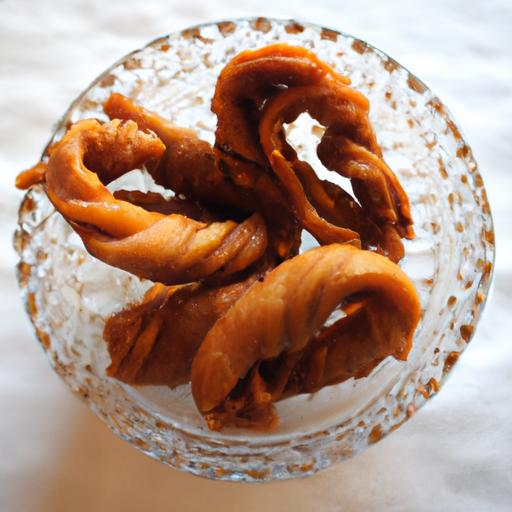

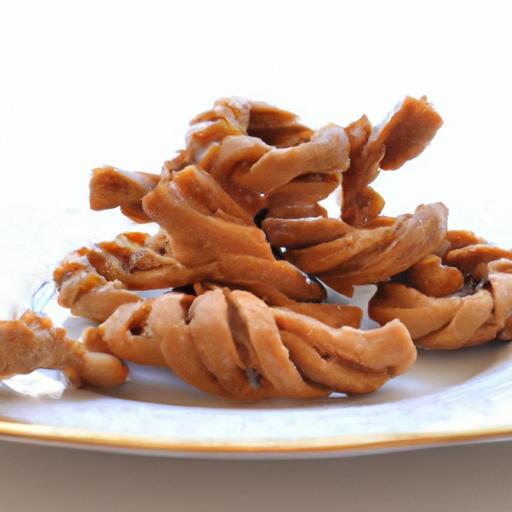
Hidden within the vibrant tapestry of Moroccan cuisine lies a treasure that captures the spirit of party and the artistry of tradition: Chebakia. Often described as Morocco’s sweet, spiced delight, this intricate pastry is far more than just a treat-it’s a fragrant journey through history, culture, and culinary mastery. With its golden, flower-shaped twists drenched in honey and dusted with sesame seeds, Chebakia unravels stories of festive gatherings, ancient recipes passed down through generations, and the perfect balance of warmth and sweetness.In this article, we unwrap the layers of this beloved moroccan delicacy, exploring its origins, unique planning, and the flavorful spices that make it a true feast for the senses.
Chebakia Unwrapped: Morocco’s Sweet, Spiced Delight
Chebakia unwrapped reveals a treasure of Moroccan culinary tradition-an intricate sweet pastry that marries fragrant spices, crisp textures, and golden syrupy sweetness. This beloved treat,especially enjoyed during Ramadan and festive celebrations,is much more than a dessert; it embodies the heart of Moroccan hospitality and the artistry of time-honored craftsmanship.My first taste of Chebakia was with a Moroccan family under the warm glow of lanterns, each bite highlighting a mosaic of textures and flavors that inspired me to decode this exquisite recipe for home kitchens worldwide.
prep and Cook Time
- Preparation: 40 minutes
- Resting the dough: 30 minutes
- Frying and soaking: 25 minutes
- Total: Approximately 1 hour 35 minutes
Yield
About 25 medium-sized chebakia pieces (serves 6-8)
Difficulty Level
Advanced – requires patience and precision but deeply rewarding
The Art of Crafting Perfect Chebakia Dough and Spice Blends
Creating authentic Chebakia unwrapped begins with its unique dough that balances softness with enough strength to hold the signature folded flower shape. This dough is infused with an aromatic blend of sesame seeds, anise, cinnamon, and orange blossom water, each adding layers of warmth and subtle floral notes.
- Flour base must be sifted for lightness and combined with ground almonds to add richness and a nutty undertone.
- Spices like ground cinnamon and anise seeds are gently toasted to bloom their fragrance before folding into the mixture.
- orange blossom water is essential, lending a quintessential Moroccan aroma that whispers of fragrant gardens.
ingredients
- 3 cups all-purpose flour, sifted
- 1/2 cup finely ground almonds
- 1 tsp ground cinnamon
- 1 tsp anise seeds, toasted and ground
- 1 tbsp sesame seeds, toasted
- 1 tbsp orange blossom water
- 1/4 cup vegetable oil (plus more for frying)
- 1/2 cup warm water (adjust as needed)
- 1 tbsp sugar
- 1/4 tsp salt
- 2 cups honey
- 1 tbsp rose water (optional, for honey soak)
- Sesame seeds for garnish
Mastering the Frying and Honey Soaking Techniques for Authentic Flavor
Once your dough is prepared and rested, shaping the chebakia requires dexterity. Roll thin rounds, cut into strips, and meticulously fold into the distinct petals, creating a floral masterpiece. Frying is equally crucial-medium heat ensures a golden, crisp exterior without absorbing excessive oil.
- Heat oil in a heavy skillet to 350°F (175°C), maintaining a steady medium heat to avoid burning.
- Fry chebakia pieces in small batches, turning gently, until they attain a deep golden hue, about 3-4 minutes per batch.
- remove with a slotted spoon, drain on paper towels to remove excess oil.
- While still warm, dunk the fried chebakia directly into the honey and rose water mixture, gently turning them to coat thoroughly.
- Set on a wire rack to allow excess honey to drip and cool.
Instructions
- Prepare the spice blend: Toast anise seeds and sesame seeds in a dry pan over medium heat until fragrant, about 2 minutes. Grind the anise seeds finely.
- Mix dry ingredients: In a large bowl, combine the sifted flour, ground almonds, cinnamon, ground anise, toasted sesame seeds, sugar, and salt.
- Add wet ingredients: Stir in the vegetable oil and orange blossom water. Gradually add warm water, mixing with your hands until a pliable, smooth dough forms. Adjust water or flour if necessary.
- Rest the dough: Cover with a damp cloth and let rest for 30 minutes to relax gluten, making shaping easier.
- Roll and shape: Divide dough into small balls. Roll each ball into a thin oval shape (about 1/8 inch thick). Cut into strips about 2 inches wide and 5 inches long. Make 4-5 cuts lengthwise per strip, leaving an inch uncut at the top edge. Fold each strip accordion-style, pinching the uncut end to secure the flower shape.
- Heat oil and fry: Fry shaped chebakia pieces in batches at 350°F, flipping carefully. Fry until deep golden and crisp.
- Honey soak: Warm honey with rose water in a saucepan over low heat. Immediately after frying, immerse the hot chebakia in the honey, coating them evenly.
- Cool and garnish: Transfer chebakia to wire rack or parchment-lined tray. Sprinkle with additional toasted sesame seeds while the honey is still tacky.
- Serve: Let cool slightly or serve at room temperature alongside a steaming pot of Moroccan mint tea.
Chef’s Notes: Tips for Success with Chebakia Unwrapped
- Use a thermometer for frying oil to maintain the perfect temperature; too hot yields burnt chebakia, too cold leads to greasy treats.
- For extra crunch, toast sesame seeds just before folding into dough to preserve aroma.
- If dough feels sticky,add a touch more flour while kneading,but avoid overworking to keep tenderness.
- Honey should be slightly warmed, never boiling, to allow optimal coating without melting away the crispness.
- Chebakia can be made a day ahead; they keep well in an airtight container at room temperature.
Serving Suggestions: Pairing Chebakia with Moroccan tea Rituals
Chebakia unwrapped reaches its full potential when accompanied by authentic Moroccan mint tea. Serve on a decorative platter, garnished with toasted sesame seeds and a few fresh mint sprigs for visual contrast. The rich sweetness of chebakia beautifully balances the shining, herbal freshness of the tea. For festive occasions, consider pairing with other Moroccan sweets like almond briouats or gazelle horns for a truly indulgent spread.

Nutritional Data (per serving)
| calories | Protein | Carbohydrates | Fat |
|---|---|---|---|
| 210 kcal | 3 g | 26 g | 11 g |
For more insights into Moroccan desserts and their symbolic importance, explore Britannica’s overview of Moroccan cuisine.
Q&A
Q&A: Chebakia Unwrapped – Morocco’s sweet, Spiced Delight
Q1: What exactly is Chebakia?
A1: Chebakia is a traditional Moroccan pastry that waltzes between sweet and spiced, crispy and sticky. Imagine delicate strips of dough carefully folded into intricate flower shapes, deep-fried until golden, than drenched in fragrant honey and sprinkled with toasted sesame seeds. It’s a festive treat that captures Moroccan heritage in every bite.
Q2: when is Chebakia typically enjoyed in Morocco?
A2: While Chebakia can brighten any day,it shines brightest during Ramadan. Families prepare this sweet treat to break the fast at iftar,sharing its comforting warmth and inviting aroma as a symbol of joy,generosity,and celebration.
Q3: What spices and flavors give Chebakia its unique taste?
A3: The magic lies in a blend of ground cinnamon, anise seeds, and orange blossom water, infusing the dough with a warm, floral, and slightly citrusy essence. Combined with the honey glaze and nutty sesame seeds,these flavors create a layered taste experience that’s both exotic and familiar.
Q4: How is Chebakia traditionally made?
A4: Making Chebakia is an art form passed down through generations. The dough, enriched with flour, ground almonds, and aromatic spices, is rolled thin and cut into strips. These strips are intricately folded and pinched into a rose-like shape, then deep-fried until crisp. While still hot, the pastries are bathed in honey syrup and finally sprinkled with toasted sesame seeds for that perfect crunch.
Q5: Are there any variations of Chebakia across Morocco?
A5: Yes! Regional twists add delightful variety-some families incorporate orange zest, others roll the dough with anise seeds or even include sprinklings of ground nuts inside. Despite these differences, the heart of Chebakia – its honeyed, spiced signature – remains beautifully consistent.
Q6: Can I try making Chebakia at home?
A6: Absolutely! While it takes some patience and practice to master the folding technique and perfect frying temperature, the result is well worth the effort. Plus, filling your kitchen with the scent of spices and honey is a sweet reward on its own. several recipes and video tutorials can guide you step-by-step to recreate this Moroccan treasure.
Q7: What makes Chebakia more than just a dessert?
A7: Chebakia is a symbol of Moroccan hospitality and family unity. Its preparation often brings loved ones together,transforming cooking into storytelling and tradition-sharing. Every bite carries a whisper of history, culture, and the celebration of life’s sweetest moments.
Q8: How should Chebakia be stored to keep its freshness?
A8: To preserve its crunch and honey-glazed goodness, store Chebakia in an airtight container at room temperature. It will keep beautifully for up to a week-ready anytime you crave a spiced,sweet escape to Morocco’s vibrant flavors.
Dive into Chebakia’s enchanting world, where tradition meets taste, and every morsel tells a story of a land rich in history and sweetness.
The Conclusion
As the final threads of sugar glaze settle on Chebakia’s golden coils, we uncover more than just a Moroccan sweet; we unwrap a tapestry of history, culture, and celebration rolled into every bite.This spiced delight isn’t merely a treat-it’s a storyteller, whispering tales of ancient traditions and festive joy. Whether you savor it during Ramadan or share it with loved ones year-round, Chebakia invites you to taste the heart of Morocco, one crispy, honeyed crackle at a time. So next time you encounter this exquisite pastry, remember: you’re not just indulging a craving-you’re partaking in a centuries-old ritual, sweetly unwrapped.