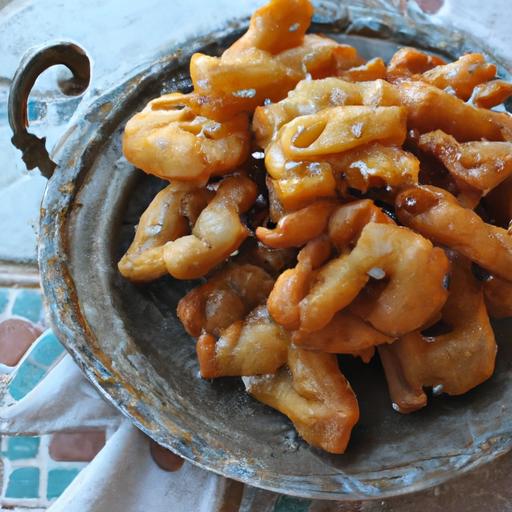

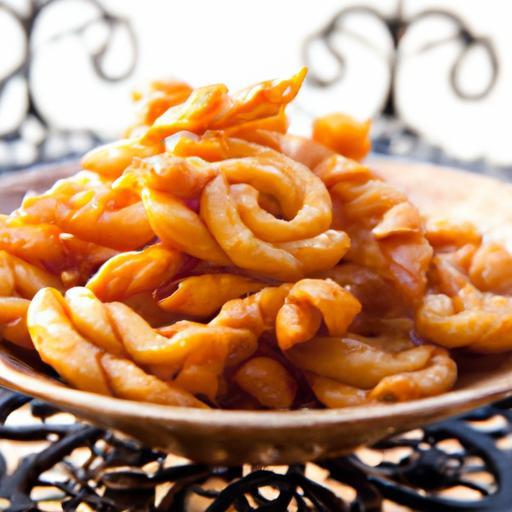
Golden strands of tradition glisten invitingly on Moroccan tables during festive seasons, capturing the very essence of celebration and heritage. Chebakia, often hailed as Morocco’s golden honeyed delight, is more than just a sweet treat-it is a crispy, fragrant masterpiece that weaves together rich history, intricate craftsmanship, and a symphony of flavors. In unwrapping the story of Chebakia, we uncover not onyl it’s luscious honey and toasted sesame glaze but also the cultural tapestry and centuries-old rituals that elevate this pastry from mere dessert to a cherished symbol of Moroccan identity. Join us as we embark on a journey to discover the origins, preparation, and enchanting allure of Chebakia-Morocco’s sweetest treasure shining in honeyed gold.
The Origins and Cultural Significance of Chebakia in Moroccan Traditions
Chebakia, Morocco’s golden honeyed delight, holds a cherished place in Moroccan culture, especially during the holy month of Ramadan. This intricately shaped pastry symbolizes hospitality and the sweetness of life, often gracing festive tables alongside Harira soup and other traditional delicacies. Its origins trace back centuries, blending Arabic and Andalusian culinary influences, and its signature golden color and honey glaze evoke the warmth of Moroccan sunshine and the richness of its history.
Generations gather to prepare chebakia, making it as much a communal and familial event as a delicious treat. Sharing these crisp, fragrant pastries is an act of love and celebration, embodying Morocco’s deep-rooted values of generosity and togetherness.
The Art of Crafting Perfectly Crisp and Honey-Glazed Chebakia
Creating the ideal chebakia requires patience and finesse-the dough must be delicately rolled thin, shaped skillfully into flowers or coils, then fried just right to achieve that irresistible crunch without being greasy. Onc drained, each piece is lovingly bathed in warm honey infused with orange blossom water, creating a glossy, sticky coating that seals in aroma and flavor.
For best results, fry chebakia in small batches to maintain oil temperature and avoid sogginess. The honey glaze should be warm, but not boiling, to allow the pastries to soak up just enough sweetness while retaining their crisp texture.
Selecting the Finest ingredients for Authentic Moroccan Chebakia
The magic of chebakia comes alive with quality ingredients.Choose a fresh, fragrant orange blossom water-its floral notes are essential to authentic flavor. Use pure honey from trusted sources, ideally Moroccan honey like eucalyptus or thyme variety, for natural sweetness and depth. For the dough, unbleached all-purpose flour provides the perfect balance of elasticity and tenderness, while freshly ground sesame seeds add subtle nuttiness.
Spices like cinnamon and a pinch of ground aniseed or fennel seeds unlock the warm,complex aroma typical of Moroccan sweets. Freshly ground spices guarantee the brightest, most vibrant flavor.
Tips for serving and storing chebakia to Preserve Freshness and Flavor
serve chebakia at room temperature to fully appreciate the honey’s shimmer and the pastry’s crispness. Pair with Moroccan mint tea to balance sweetness with refreshing herbal notes. Garnish plates with toasted sesame seeds or edible flower petals for a festive presentation.
to keep chebakia fresh,store in an airtight container in a cool,dry place. Honey’s natural preservative qualities help maintain chew and honor the pastry’s texture for up to 1 week. Avoid refrigeration, which can soften the crisp edges, and if you want to prepare ahead, briefly reheat in a low oven (about 300°F) to refresh the crunch before serving.
Prep and Cook Time
- Preparation: 30 minutes
- Resting dough: 1 hour
- Frying & glazing: 30 minutes
- Total Time: Approximately 2 hours
Yield
About 30 pieces (serves 6-8)
Difficulty Level
Medium (requires practice in shaping and frying)
Ingredients
- 3 cups unbleached all-purpose flour, sifted
- 1/4 cup ground almonds (optional for richness)
- 1 tbsp sesame seeds, toasted and ground
- 1 tsp ground cinnamon
- 1/2 tsp ground aniseed or fennel seeds
- 1/4 tsp baking powder
- 1/4 tsp salt
- 1/4 cup unsalted butter, melted and cooled
- 1/4 cup orange blossom water
- 3/4 cup warm water (adjust as needed)
- Vegetable oil for frying (about 4 cups)
- 2 cups honey, preferably Moroccan (eucalyptus or thyme honey)
- Additional sesame seeds for garnish
Instructions
- Prepare the dough: in a large bowl, combine sifted flour, ground almonds, toasted sesame seeds, cinnamon, aniseed, baking powder, and salt. Whisk to blend evenly.
- Add wet ingredients: Pour in melted butter and orange blossom water. Gradually add warm water, mixing until a soft, pliable dough forms. Knead gently on a floured surface for 8-10 minutes until smooth.
- Rest: Cover the dough with a damp cloth and let it rest for 1 hour to relax gluten and ease shaping.
- Shape: divide dough into small balls. Roll each ball thinly (about 2mm thickness). Using a sharp knife, cut into strips approx. 4 inches long and 1 inch wide. Create four or five parallel slits leaving the ends uncut. Carefully fold these strips into the classic flower-like shape, pinching the ends firmly.
- Heat oil: Fill a deep, heavy-bottomed pot with oil and heat to 350°F (175°C). Maintain this temperature to avoid soggy pastries.
- Fry chebakia: Fry shaped pieces in small batches, turning gently until golden brown and crisp (about 2-3 minutes per batch). Remove with a slotted spoon and drain on paper towels.
- warm honey: In a separate saucepan, warm the honey slightly, add a splash of orange blossom water if desired. Do not boil-just warm enough to be fluid.
- Glaze pastries: Dip each fried chebakia into the warm honey, coating generously. Place on a wire rack to set. Sprinkle immediatly with additional sesame seeds.
- Cool and serve: Allow honey to set for about 30 minutes before serving.
Chef’s Notes
- For a vegan twist, substitute butter with coconut oil and ensure your honey choice aligns with your preferences or use date syrup.
- If dough is too sticky, add a teaspoon of flour at a time, but avoid over-flouring to keep chebakia tender.
- Use a candy or deep-fry thermometer to maintain consistent oil temperature, preventing either undercooked or overburnt pastries.
- Make ahead: Chebakia keeps well in airtight containers; refresh by warming slightly before serving to revive crispness.
- Experiment with shapes-some regions use rose or coil forms; whichever you choose, ensure folds are tight to retain shape while frying.
Serving Suggestions
Serve these golden delights on a decorative Moroccan plate, alongside steaming traditional Moroccan mint tea. Garnish with sprinkled toasted sesame seeds or a light dusting of finely ground cinnamon. For an elevated presentation, place chebakia atop a bed of crushed pistachios or rose petals, offering an inviting sensory and visual feast.
| Nutrient | Per Serving (3 pieces approx.) |
|---|---|
| Calories | 220 kcal |
| Protein | 3 g |
| Carbohydrates | 35 g |
| Fat | 7 g |

Q&A
Q&A: Chebakia – morocco’s Golden honeyed Delight unwrapped
Q1: What exactly is Chebakia?
A1: Chebakia is a traditional Moroccan pastry that dazzles with its intricate, flower-like shape and golden hue. Deep-fried to crisp perfection, it’s then drenched in a fragrant honey syrup, sprinkled with sesame seeds, and often enjoyed during festive occasions, especially Ramadan. Think of it as Morocco’s sweet edible treasure-a crunchy, sticky delight that melts in your mouth with every bite.
Q2: How did Chebakia get its unique shape?
A2: The artistry behind Chebakia lies in its striking floral design, achieved by folding and cutting thin sheets of dough into precise petal-like segments. This signature shape isn’t just for show-it allows the honey and syrup to seep into every nook and cranny, creating a harmonious balance of texture and flavor.It’s a feast both for the eyes and the palate!
Q3: What ingredients give Chebakia its distinctive flavor?
A3: The magic of Chebakia comes from a fragrant blend of ground almonds, sesame seeds, anise, cinnamon, orange blossom water, and sometimes a dash of saffron. These ingredients combine with the honey glaze to create a multi-layered flavor profile that’s sweet, floral, nutty, and warmly spiced-all wrapped up in a golden, crispy package.
Q4: When and how is Chebakia traditionally enjoyed?
A4: Chebakia is most famously associated with Ramadan, the holy month of fasting in Morocco. After a day of abstinence, families savor this sweet treat to break the fast (Iftar), along with harira soup and other delicacies. It’s also served during weddings and celebrations, symbolizing hospitality and joy.
Q5: Is making Chebakia a difficult process?
A5: making authentic Chebakia is a labor of love-requiring patience and precision. Rolling out the dough thinly, forming each flower-shaped pastry, frying to the perfect golden crispness, and then soaking in warm honey takes time and skill. But the reward? A batch of heavenly pastries that tastes like a slice of Moroccan heritage.
Q6: Can Chebakia be enjoyed outside of morocco?
A6: Absolutely! Over the years, Moroccan communities around the world have shared their culinary traditions, and Chebakia has found fans far beyond its borders. Whether at a Moroccan restaurant, cultural festival, or homemade kitchen experiment, this golden honeyed delight bridges continents with its irresistible charm.
Q7: What makes Chebakia more than just a pastry?
A7: Beyond its delectable taste, Chebakia embodies Moroccan culture, history, and festive spirit.It’s a symbol of togetherness, crafted by hands that carry generations of recipes and stories. Eating Chebakia is like savoring a piece of Morocco’s soul-a golden thread woven into the tapestry of communal celebration.
Q8: Any tips for someone wanting to try Chebakia at home?
A8: Patience is your best ingredient! Use fresh, quality ingredients and don’t rush the shaping or frying stages. Keep the honey syrup warm but not scorching when dipping the chebakia, so each piece gently absorbs that luscious glaze. Most importantly, share the experience-chebakia tastes sweetest when enjoyed with loved ones.
To Wrap It Up
As the golden strands of chebakia’s honeyed glaze glisten under the Moroccan sun, they tell a story that goes beyond mere sweetness-a tale of tradition, craftsmanship, and cultural celebration. Each delicate fold and fragrant spice blend reveals the heart of Morocco’s culinary heritage,inviting you to savor not just a treat,but a timeless experience.Whether enjoyed during festive moments or as a special indulgence, Chebakia remains a shimmering symbol of Morocco’s rich history and enduring warmth. So next time you unwrap this golden delight, remember you’re tasting more than pastry-you’re unwrapping a piece of Morocco itself.