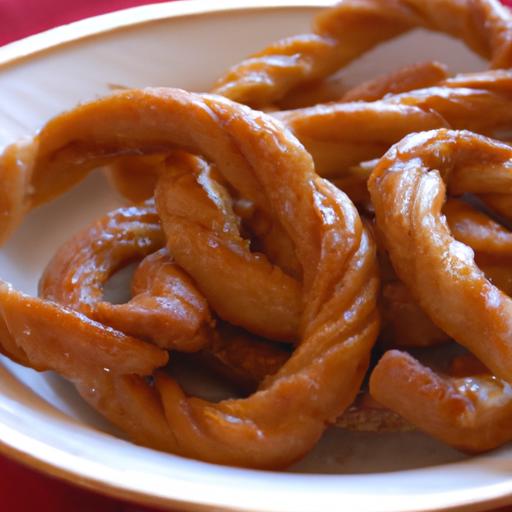

In the vibrant tapestry of Moroccan cuisine, few confections evoke as much nostalgia and party as chebakia-a golden, honey-soaked pastry twisted into delicate, intricate shapes that tell stories of centuries-old traditions. More than just a sweet treat, chebakia embodies the rich cultural heritage of Morocco, gracing tables during Ramadan and festive occasions with its crisp texture and fragrant notes of sesame and anise. This beloved pastry, with its artful spirals and luscious glaze, is a testament to the skill and patience woven into Moroccan kitchens, where every bite offers a glimpse into history and a taste of shared joy. Join us as we unravel the origins, significance, and delightful craft behind chebakia, the sweet Moroccan pastry twisted in tradition.
Origins and Cultural Significance of Chebakia in Moroccan Celebrations
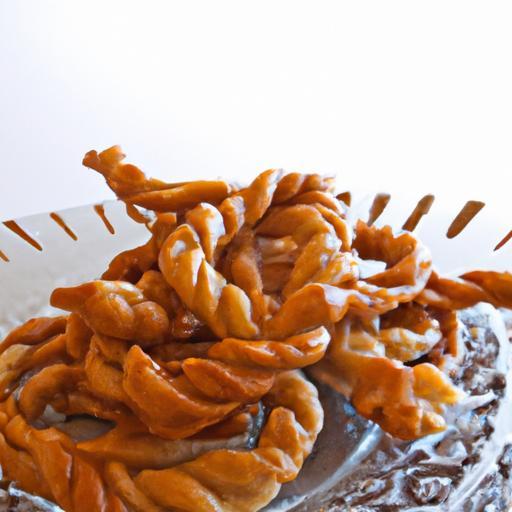
Chebakia,a beloved Moroccan pastry,carries centuries of tradition and rich cultural symbolism in every golden,honey-glazed twist. Originating from the bustling souks and family kitchens of Morocco,this sweet treat is especially cherished during Ramadan and Eid celebrations,where it embodies hospitality,joy,and communal spirit. Each intricately folded piece reflects meticulous craftsmanship passed down through generations, making chebakia not just a dessert but a celebratory ritual that brings families and communities together. Sharing chebakia is like sharing a slice of Moroccan history, where every bite connects the past with the present in a warm, fragrant embrace.
The Art of Crafting Chebakia Dough and Perfecting the Twist
The foundation of irresistible chebakia lies in the dough-a harmonious blend of texture,flavor,and pliability. Crafting this dough requires patience and a gentle hand, combining flour, ground almonds, sesame seeds, and fragrant anise to achieve the perfect balance. The dough should be soft yet firm enough to hold the signature flower-like shape. Mastering the iconic twist is an art form, involving folding and pinching the dough into overlapping petals that bloom as the pastries fry to a crisp golden hue. The magic truly happens here: the folds trap the honey glaze gorgeously, ensuring an even coating that glistens in every bite.
Flavors and Ingredients That Make Chebakia Irresistibly Unique
The true charm of chebakia comes from its complex and harmonious flavor palette. Ground cinnamon, orange blossom water, anise seeds, and toasted sesame seeds mingle with the buttery dough and deep amber honey, creating an enchanting aroma and subtle spiced sweetness. The dough is often imbued with vinegar or orange zest, which adds a luminous tanginess that perfectly balances the richness. This interplay between crisp, honeyed sweetness and warm spices is what makes chebakia uniquely Moroccan, leaving an unforgettable impression that lingers delightfully on the palate.
Tips for Storing and Serving Chebakia to Preserve Freshness and Flavor
Preserving chebakia’s crisp texture and vibrant flavor is key to fully enjoying this traditional delight. Store the pastries in an airtight container at room temperature, layering parchment paper between them to prevent sticking. Chebakia maintains its freshness best within 3 to 5 days, though warming them slightly in a low oven before serving can revive their crispness brilliantly. when ready to indulge, serve them alongside a fragrant cup of Moroccan mint tea-this classic pairing heightens the pastry’s aromatics and creates an immersive sensory experience.
Prep and Cook Time
- Readiness: 30 minutes
- Resting dough: 1 hour
- Cooking (frying & glazing): 30 minutes
- total Time: approximately 2 hours
Yield
About 30 chebakia pieces, perfect for sharing at celebrations or savoring over several days.
Difficulty Level
Medium – Requires patience with dough shaping and frying technique but deeply rewarding.
Ingredients
- 3 cups all-purpose flour, sifted
- 1/2 cup finely ground almonds
- 2 tbsp toasted sesame seeds
- 1 tbsp anise seeds, crushed
- 1 tsp ground cinnamon
- 1/4 cup melted unsalted butter
- 1/4 cup orange blossom water
- 2 tbsp white vinegar
- 1/2 tsp salt
- 3/4 cup warm water (approximate, adjust for dough consistency)
- Vegetable oil for frying
- 2 cups honey, warmed
- Extra toasted sesame seeds for garnish
Instructions
- Mix the dry ingredients: In a large bowl, combine the sifted flour, ground almonds, toasted sesame seeds, crushed anise seeds, ground cinnamon, and salt. Stir well to distribute the spices evenly.
- Add the wet ingredients: Make a well in the center and pour in the melted butter, orange blossom water, vinegar, and half of the warm water. Begin mixing the dough,gradually adding more water as needed to form a soft yet firm dough. Knead for about 10 minutes until smooth and elastic.
- Rest the dough: Cover with a damp cloth and let it rest for 1 hour to allow the flavors to meld and the dough to relax.
- Shape the dough: Roll out the dough on a lightly floured surface into a thin sheet, about 2mm thick.Using a pastry cutter or knife, cut strips approximately 10cm long and 3cm wide.Take one strip at a time and fold it into five equal sections, pinching the strip in the center to create the signature flower shape. Each fold should overlap neatly to resemble petals.
- Heat the oil: Pour vegetable oil into a heavy-bottomed pan to a depth of 2 inches. Heat the oil to 350°F (175°C). Fry the chebakia in small batches, turning occasionally, until deep golden brown-about 3-4 minutes per batch.
- Drain and glaze: Carefully lift the hot chebakia from the oil with a slotted spoon, draining excess oil on paper towels. Immediatly dip each piece into the warm honey, ensuring a thorough coating. Place them on a wire rack to let excess honey drip off.
- Finish and garnish: While the honey is still tacky, sprinkle extra toasted sesame seeds on top for a final touch of crunch and aroma.
Chef’s notes
- The dough’s consistency is key: it should never be sticky but pliable enough to fold without cracking. Adjust with small amounts of flour or water as needed.
- For a gluten-free variation, substitute almonds with extra ground sesame seeds and experiment with a gluten-free flour blend, although the texture will differ slightly.
- To ensure even frying, keep the oil temperature stable.Too hot and the chebakia will brown too fast without cooking through; too cool and they will absorb oil and become greasy.
- Make chebakia a day ahead and store properly to allow flavors to deepen, though fresh is always best. Reheat briefly to regain crispness.
- Use a candy thermometer to monitor oil to avoid overheating and for perfect frying control.
Serving Suggestions
Present chebakia on a decorative Moroccan platter dusted lightly with extra sesame seeds and accompanied by small glasses of mint tea. for a festive occasion, garnish with edible gold leaf or crushed pistachios for an opulent touch. Chebakia pairs beautifully with strong, spiced teas or a simple cup of black coffee, balancing its rich sweetness with aromatic warmth.

| Nutrient | per Serving (1 piece) |
|---|---|
| Calories | 150 |
| Protein | 2g |
| Carbohydrates | 22g |
| Fat | 6g |
Discover more Moroccan delights like Moroccan Mint Tea that beautifully complement this sweet pastry. for an authoritative exploration of North African culinary traditions, visit Britannica on moroccan Cuisine.
Q&A
Q&A: Chebakia – The Sweet Moroccan Pastry Twisted in Tradition
Q1: What exactly is Chebakia?
A1: Chebakia is a quintessential Moroccan pastry, lovingly crafted during festive times, especially Ramadan. It is a deep-fried, flower-shaped treat, intricately twisted and soaked in fragrant honey syrup, then sprinkled with sesame seeds. Its unique texture-crispy yet sticky sweet-makes it a beloved symbol of Moroccan hospitality and celebration.
Q2: why is Chebakia considered a traditional Moroccan pastry?
A2: chebakia is steeped in centuries-old Moroccan culinary heritage. Passed down through generations, it embodies more than just flavor-its elaborate shape and preparation symbolize blessings, prosperity, and the sweetness of life. Traditionally made during Ramadan, it feeds both the body and soul, offering energy after a day of fasting and honoring age-old communal rituals.
Q3: What ingredients give Chebakia its distinctive flavor and texture?
A3: The magic of Chebakia lies in its carefully balanced blend of ingredients. Sesame seeds, anise, cinnamon, orange blossom water, flour, and ground almonds combine into a fragrant dough.Fried until golden and crispy, it’s then bathed in warm honey infused with orange blossom water-this syrupy embrace gives chebakia its signature sticky sweetness and aromatic depth.
Q4: How is the iconic twisted shape of Chebakia made?
A4: The process of shaping Chebakia is almost an art form. The dough is rolled out and cut into strips, each of which is carefully folded and twisted into a flower-like shape with pleated petals. This intricate design isn’t just for aesthetics-it ensures every bite has layers of crispy texture and sweet syrup soakage, capturing tradition in every fold.
Q5: In what ways does Chebakia bring people together?
A5: Making Chebakia is often a communal event involving family and friends. women gather to share recipes, stories, and laughter as they roll, twist, fry, and glaze the pastry.It’s a ritual of togetherness,care,and cultural transmission. During ramadan, serving Chebakia is a warm gesture of generosity and celebration, drawing families and communities closer.
Q6: Are there regional variations of Chebakia within Morocco?
A6: Yes! While the core concept remains the same, various regions add their own twists-some incorporate nuts like almonds or walnuts, others adjust the spice levels or glazing techniques. This diversity reflects Morocco’s rich mosaic of cultures and flavors,making every batch of Chebakia a personal and regional signature.
Q7: Can Chebakia be enjoyed year-round, or is it reserved for special occasions?
A7: Although traditionally tied to Ramadan and celebrations, Chebakia’s irresistible taste has earned it a place on Moroccan tables year-round. Its sweet complexity makes it a cherished treat alongside mint tea or coffee,anytime one craves a taste of Moroccan tradition intertwined with sweetness.
Q8: How does chebakia reflect Moroccan culture and identity?
A8: Chebakia is more than just a dessert; it’s a reflection of Moroccan history, hospitality, and artistry. Its intricate preparation mirrors the value placed on patience and craftsmanship. The shared making and eating echo communal bonds, while the flavors capture Morocco’s love of bold spices and fragrant blossoms. Each bite is a delicious narrative of place,people,and tradition twisted beautifully together.
Wrapping Up
As the fragrant aroma of honey and toasted sesame fades,Chebakia remains more than just a sweet treat-it is a vibrant thread woven into the rich tapestry of Moroccan culture.This twisted pastry, with its delicate folds and shimmering glaze, tells a story of generations past, of festive gatherings and shared moments steeped in tradition. Whether enjoyed alongside a steaming cup of mint tea during Ramadan or offered as a symbol of hospitality, Chebakia invites us to savor not only its luscious flavors but also the enduring heritage it carries.In every bite, we taste history-a delicious reminder that some sweets are meant to be cherished far beyond the palate.