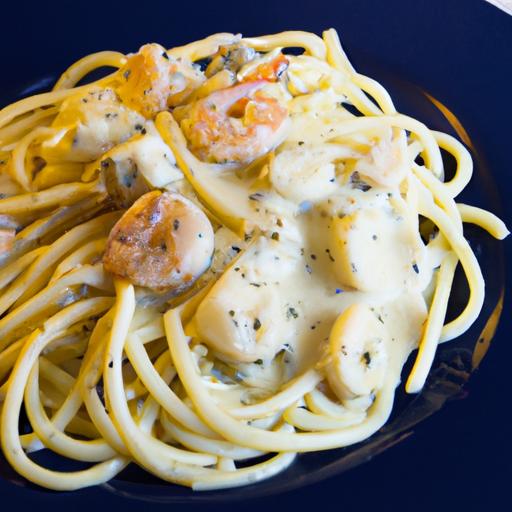

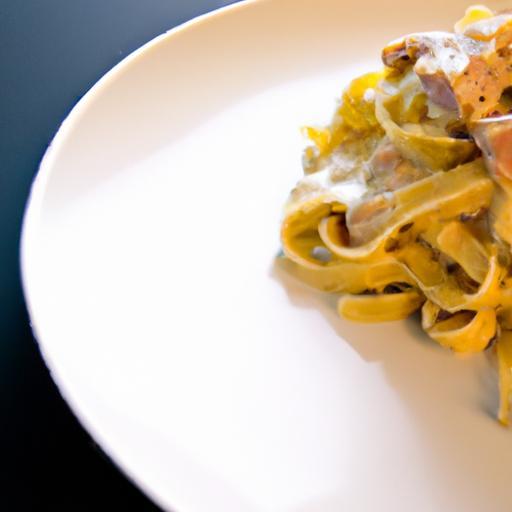
There’s a magic that happens when eggs, cheese, pancetta, and pasta come together in perfect harmony-a magic that transforms simple ingredients into a dish revered worldwide: the classic Italian carbonara. Yet, achieving that gloriously silky, creamy texture without a hint of curdling often feels like decoding an ancient culinary secret.In this article, we’ll unravel the mysteries behind creating perfectly creamy carbonara bliss, guiding you step-by-step to master the art of this timeless favorite. Prepare to elevate your pasta game and unlock the creamy, dreamy indulgence that makes carbonara a true masterpiece.
Unlocking the Secrets to Perfectly Creamy Carbonara Bliss begins with truly understanding the delicate art of emulsification. This transformative culinary magic turns simple eggs, cheese, and pasta water into a luscious, silky sauce that clings lovingly to every strand of pasta.Achieving a velvety texture without curds or clumps requires precision in timing, temperature, and technique - a mastery that elevates classic carbonara from rustic comfort food to a refined Italian masterpiece.
Prep and Cook Time
- Preparation: 10 minutes
- Cooking: 15 minutes
- Total Time: 25 minutes
Yield
Serves 4 generously.
Difficulty Level
Medium - great for home cooks ready to refine thier technique.
Ingredients
- 400g spaghetti (or your favorite long pasta)
- 150g guanciale, diced (pancetta is an acceptable substitute)
- 3 large free-range eggs
- 100g Pecorino Romano cheese, finely grated
- 50g Parmigiano Reggiano, finely grated
- Freshly cracked black pepper, to taste
- Sea salt for pasta water
- Reserved pasta cooking water, about 1 cup
Instructions
- Bring a large pot of salted water to a rolling boil. Cook the spaghetti al dente according to package instructions, usually 8-9 minutes. reserve 1 cup of pasta water before draining.
- While pasta cooks, prepare the guanciale. In a cold pan, add diced guanciale and cook over medium heat until crispy and golden, about 5-7 minutes. Stir occasionally to release melting fat but prevent burning.
- Whisk eggs and cheese together. In a bowl, beat the eggs, then fold in Pecorino Romano and Parmigiano Reggiano until smooth. Grind a generous amount of black pepper into the mixture.
- Combine hot pasta with guanciale. Return the drained pasta to the pan with guanciale and remove from direct heat to avoid scrambling eggs.
- Emulsify the sauce. Slowly pour the egg and cheese mixture over the pasta, stirring vigorously while adding reserved hot pasta water a little at a time. This tempering process gradually emulsifies the sauce into a creamy coating. Continue stirring until sauce thickens and becomes silky – no lumps in sight!
- Adjust and finish. If the sauce feels too thick, add more pasta water by the tablespoon.Taste and adjust seasoning with more cheese or black pepper as desired.
- Serve immediately. Plate your pasta, garnish with extra Pecorino, a crack of fresh black pepper, and a sprig of fresh parsley or basil for a pop of color and freshness.
Tips for Success
- Emulsification is all about temperature control. Always remove the pan from direct heat before adding egg mixture to avoid curdling.
- Use fresh, room-temperature eggs to promote smooth integration.
- Reserve pasta water acts as your secret weapon. The starchy water binds fat and protein, creating that iconic silky sauce.
- Choose guanciale over pancetta for authentic smoky richness, but ensure it’s cut evenly for uniform cooking.
- Grate cheese finely. This helps it dissolve seamlessly into the sauce.
- Make ahead suggestion: Cook guanciale and prepare egg mixture prior to boiling pasta for more efficient cooking flow.
- Don’t rush the stirring. Slow, consistent folding is key for a gummy, luxurious sauce.
Serving Suggestions
Present your luscious carbonara on warm plates for maximum indulgence. A minimalistic approach works best: just a sprinkle of Pecorino and freshly cracked black pepper. For added contrast and freshness, garnish with a small handful of baby arugula or chopped flat-leaf parsley. Pair with a crisp, light white wine such as Pinot Grigio or a sparkling Prosecco to balance the richness perfectly.
| Nutrient | Per Serving |
|---|---|
| Calories | 590 kcal |
| Protein | 28 g |
| Carbohydrates | 65 g |
| Fat | 20 g |

Choosing the Ideal Pasta and Cheese Pairings for Authentic Flavor
One of the cornerstones to unlocking the secrets to perfectly creamy carbonara bliss lies in selecting the right pasta and cheese. Classic Italian tradition favors spaghetti for its long, thin silhouette that embraces the sauce gracefully. Other excellent options include rigatoni or fettuccine, which have enough surface area and texture to hold onto the emulsified sauce beautifully. As for cheese, a combination of Pecorino Romano and Parmigiano Reggiano offers a focused depth of sharp, salty, and nutty notes that harmonize perfectly with the smokiness of guanciale.
Mastering the Timing and Temperature to Avoid Curds and Clumps
Instantaneously combining eggs and hot pasta leads to a common pitfall – scrambled eggs amidst what shoudl be a creamy sauce. The magic is all in tempo and temperature. Remove the pasta and guanciale from heat and gradually add the egg and cheese blend while stirring or tossing vigorously. Adding reserved pasta water little by little acts as a cooling agent and liquidity enhancer, preventing curdling. Patience here is rewarded with the signature smooth, ribbon-like texture of carbonara sauce.
Insider Tips for Elevating Your Carbonara with Fresh Ingredients and Technique
Elevate your dish by sourcing the freshest ingredients: try to find pasture-raised eggs, artisanal guanciale, and freshly grated cheeses rather than pre-packaged powders. Incorporate freshly cracked black pepper just before plating to preserve its aromatic punch. for technique, toss the pasta actively and use a large warm bowl if not combining directly in the pan, improving control over the sauce’s consistency. Consider garnishing with a few shavings of truffle or an herbaceous microgreen for a restaurant-quality finish.
For those eager to deepen their pasta mastery, check out our detailed guide on perfect pasta techniques. Also, learn more about traditional Italian cheesemaking at the Consortium of Pecorino Romano.
Q&A
Q&A: Unlocking the Secrets to Perfectly Creamy Carbonara Bliss
Q: what makes a carbonara truly creamy without using cream?
A: the magic lies in the eggs and cheese. Traditional carbonara relies on the gentle heat of freshly cooked pasta to create a silky sauce from beaten eggs and finely grated Pecorino Romano (or Parmesan).The key is to toss the pasta quickly off the heat so the eggs cook just enough to become luscious but not scramble.
Q: Can I use any type of pasta, or is spaghetti essential?
A: While spaghetti is the classic choice, carbonara welcomes other long strands like bucatini or linguine. The important part is that the pasta is hot and perfectly al dente, providing the ideal canvas for the creamy sauce to cling to.
Q: How do I avoid ending up with scrambled eggs in my sauce?
A: Timing and temperature are your best friends here. Remove the pan from direct heat before adding the egg mixture. Toss vigorously and quickly-this creates a smooth emulsion.Using a splash of reserved pasta water also helps achieve that dreamy consistency.
Q: Is pancetta interchangeable with guanciale?
A: Guanciale, cured pork cheek, is the traditional choice and gives carbonara its authentic smoky, rich flavor. Pancetta can be a substitute, but it’s milder. If you want to stay true to the classic,seek out guanciale-it’s worth the hunt!
Q: What’s the secret to balancing salty,cheesy,and smoky flavors?
A: It’s all about moderation. Pecorino Romano is salty, so taste as you go before adding extra salt. The cured pork brings smoky depth. Using freshly cracked black pepper adds just the right punch. When these elements meld, the result is a harmonious symphony of flavor.
Q: How important is the pasta water in achieving creaminess?
A: Hugely important! The starchy pasta water acts as the binding agent between the egg, cheese, and pork fat. Adding it gradually while tossing allows you to control the texture-making the sauce luxuriously smooth, never dry or clumpy.
Q: Can I make carbonara ahead of time?
A: Carbonara is best enjoyed fresh. The sauce can lose its creaminess and turn rubbery if reheated. Having mentioned that, you can prep the components beforehand but combine them last minute for optimum bliss.
Q: Any tips for beginners attempting carbonara for the first time?
A: Absolutely! Prep all ingredients in advance. Cook pasta to al dente perfection.Don’t rush the mixing-work off the heat and stir quickly. And remember: practice makes perfect. Each attempt brings you closer to that dreamy,creamy carbonara nirvana.
Unlock these secrets, and your kitchen will soon be filled with the intoxicating aroma of Italy’s finest comfort-creamy, dreamy carbonara bliss!
future Outlook
as you whisk together those simple ingredients and watch the sauce transform into a silky, luscious embrace, remember that the magic of carbonara lies not just in the recipe, but in the passion and precision behind each step. Unlocking the secrets to perfectly creamy carbonara is more than mastering technique-it’s an invitation to savor tradition,texture,and taste in every divine bite. So next time you dip your fork into that golden bowl of bliss, relish not only the flavors but the story of craft and care that makes carbonara a timeless comfort on your plate. Bon appétit to your creamy journey!