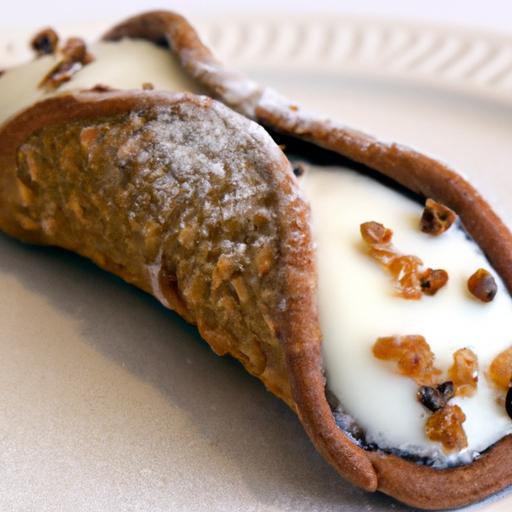

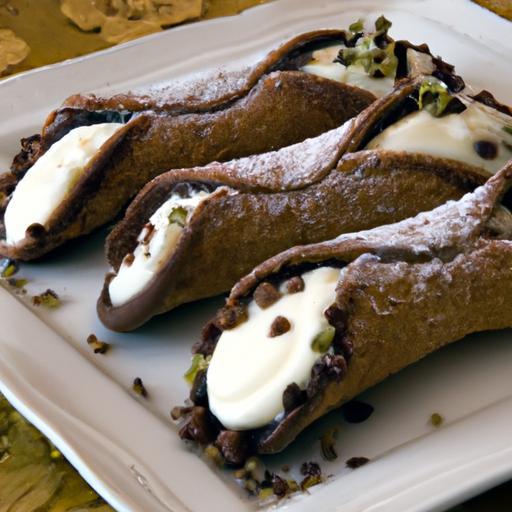
In teh sun-drenched landscapes of Sicily, where history adn culture intertwine like the intricate patterns of a Baroque cathedral, a sweet treasure awaits finding: the cannoli. More then just a dessert, the cannoli embodies centuries of tradition, craftsmanship, and a zest for life that defines this Mediterranean island. “Cannoli Unwrapped: A Sweet Dive into Sicilian Tradition” invites you on a flavorful journey beyond the crispy shell and creamy filling,exploring the origins,rituals,and regional nuances that make this beloved pastry a symbol of Sicilian heritage. Prepare to unwrap not just a treat, but a story steeped in passion, resilience, and the timeless joy of indulgence.
cannoli Unwrapped: A Sweet Dive into Sicilian Tradition begins with the rich heritage and time-honored techniques behind sicily’s most beloved dessert. Thes crispy, tubular shells filled with luscious ricotta cream invite us to indulge not onyl in their decadence but in the stories and legends that have shaped them.From ancient influences to modern twists, this recipe post offers an immersive guide to crafting authentic cannoli that celebrate both tradition and creativity.
Prep and Cook Time
- Preparation: 30 minutes
- Resting Time: 1 hour
- Cooking: 10-15 minutes
- Total Time: Approximately 1 hour 45 minutes
Yield
Makes 12 classic Sicilian cannoli
Difficulty Level
Medium – Requires patience and attention to detail but rewarding for intermediate bakers and culinary enthusiasts.
Ingredients
- For the Cannoli Shells:
- 2 cups all-purpose flour, sifted
- 2 tablespoons granulated sugar
- 1/2 teaspoon ground cinnamon
- 1/4 teaspoon salt
- 3 tablespoons unsalted butter, cold and cut into small pieces
- 1 large egg
- 1/2 cup dry white wine (e.g., Marsala), plus extra for dipping
- Vegetable oil, for deep frying
- For the Customary Ricotta Filling:
- 2 cups whole milk ricotta, well-drained
- 3/4 cup powdered sugar, sifted
- 1 teaspoon pure vanilla extract
- 1/4 cup mini dark chocolate chips
- Zest of 1 medium orange
- Optional Garnishes:
- Chopped pistachios
- Powdered sugar for dusting
- Fresh candied fruit pieces
Instructions
- Prepare the dough: In a large bowl, whisk together the flour, sugar, cinnamon, and salt. Using your fingertips or a pastry cutter, work in the cold butter until the mixture resembles coarse crumbs.
- Add the egg and wine: Whisk the egg with the Marsala wine in a small bowl, then gradually add it to the flour mixture, stirring gently until dough begins to come together.
- Knead the dough: Transfer to a lightly floured surface and knead for 5-7 minutes until smooth and elastic. Wrap tightly in plastic wrap and refrigerate for at least 1 hour to relax the gluten, ensuring a crisp shell.
- Shape the shells: Roll out the chilled dough with a rolling pin to about 1/8-inch thickness. Use a 4-inch round cutter to cut circles. Lightly brush each circle’s edge with water, then wrap around cannoli tubes (metal forms) overlapping edges to seal.
- Heat oil and fry: Heat vegetable oil in a deep pot to 350°F (175°C). Fry the shells on the tubes in batches for 2-3 minutes, turning until golden and crispy. Remove carefully with tongs and place on paper towels to drain. Let cool completely before removing from tubes.
- Prepare the ricotta filling: In a medium bowl, beat the drained ricotta with powdered sugar and vanilla until smooth and creamy. Gently fold in chocolate chips and orange zest.Chill for 30 minutes for a firmer texture.
- Fill the shells: Using a piping bag or spoon,carefully fill each cooled shell with the ricotta mixture just before serving to maintain shell crispiness.
- Garnish and serve: Dip each end in chopped pistachios or candied fruit, and dust lightly with powdered sugar for that classic Sicilian allure.
Tips for Success
- Dry your ricotta well: Excess moisture will soften the shells. Strain ricotta overnight in a fine mesh or cheesecloth for best results.
- Chill the dough: Don’t shortcut the resting time. A cold dough rolls thin and shatters delightfully crisp.
- Test oil temperature: Use a kitchen thermometer to keep consistent frying temperature. Too hot will burn shells; too cool will make them greasy.
- Make ahead: Cannoli shells are best made a few hours in advance and stored airtight. Fill just before serving to avoid sogginess.
- Get creative: Try fillings like mascarpone with honey and pistachios,or chocolate ricotta with espresso powder for a contemporary flair.
Serving Suggestions
Present your cannoli elegantly on a rustic wooden platter lined with parchment paper. Garnish with citrus zest curls, fresh mint, or a drizzle of melted chocolate. Pair with a cold glass of Sicilian Marsala wine or rich espresso to echo the dessert’s island roots. these sweet bites shine at festive occasions or as a charming finale to any Italian-inspired meal.
| Nutrient | Per Serving (1 Cannolo) |
|---|---|
| Calories | 250 kcal |
| Protein | 6 g |
| carbohydrates | 28 g |
| Fat | 11 g |
Discover more authentic Italian recipes to enrich your culinary repertoire. For an in-depth history of Sicilian sweets, visit Britannica’s cannoli entry.

Q&A
Q&A: Cannoli Unwrapped: A Sweet Dive into Sicilian Tradition
Q1: What exactly is a cannoli, and why is it so iconic in Sicilian cuisine?
A1: At its heart, a cannoli is a crispy tubular shell of fried pastry, filled with a luscious, creamy ricotta-based filling. It’s iconic because it perfectly embodies the rich history and vibrant flavors of Sicily-a land where culinary traditions blend Arab, Norman, and Mediterranean influences into irresistible treats.Cannoli symbolize celebration, family gatherings, and the island’s zest for life.Q2: How did cannoli originate, and what’s the story behind its name?
A2: Cannoli traces back to the Arab presence in Sicily during the 9th and 10th centuries. The word “cannoli” is derived from the Italian “canna,” meaning reed or tube, reflecting the pastry’s cylindrical shape. Legend suggests that these sweet tubes were originally made as a symbol of fertility, crafted during Carnevale (the pre-Lenten carnival), when indulgence was encouraged before the season of fasting.
Q3: What makes traditional Sicilian cannoli different from other versions you might find worldwide?
A3: Authentic Sicilian cannoli use fresh, sweetened ricotta made from sheep’s milk, lending a tangy, creamy richness.The shells are delicately fried to a perfect crunch-light and flaky,yet robust enough to hold the filling without sogginess. Toppings usually include candied orange peel, pistachios, or a dusting of powdered sugar, preserving a balance between texture and flavor that mass-produced varieties often miss.
Q4: Are there regional differences within Sicily when it comes to cannoli?
A4: Absolutely! While the essence remains consistent, certain towns add their unique flair. Such as, in Catania, candied fruits like cherries are a popular topping, while in Palermo, pistachios from Bronte-a volcanic town-are prized for their vibrant flavor. Some areas even infuse the filling with subtle hints of cinnamon or chocolate chips, showcasing local tastes.
Q5: Is cannoli just a dessert, or does it carry cultural importance beyond taste?
A5: Cannoli is far more than a sweet treat-it’s a cultural emblem. It represents Sicilian identity, resilience, and pride. Sharing cannoli at family celebrations or festivals cements bonds and passes on traditions. It’s a delicious reminder of sicily’s layered history, the island’s rhythms, and the joy found in craftsmanship and hospitality.
Q6: How can someone outside of Sicily best experience an authentic cannoli?
A6: For those outside Italy, seeking out bakeries run by Sicilian immigrants or artisans who prioritize traditional methods is key. Freshness is crucial-the ricotta filling shoudl be whipped just before serving, and the pastry shell must remain crisp. Alternatively, adventurous cooks can try making cannoli at home, sourcing quality ricotta and patiently frying their own shells to capture a slice of Sicilian zest.
Q7: What modern twists are being added to cannoli today, and how do they honor or diverge from tradition?
A7: Modern chefs frequently enough experiment with filling variations-think mascarpone blends, chocolate ganache, or even savory adaptations with goat cheese and herbs. While these innovations introduce fresh perspectives, purists argue that such changes stray from the authentic Sicilian soul of the cannoli. The spirit of reinvention itself, though, mirrors Sicily’s ever-evolving story, blending the past with the creative present.
Q8: Why does cannoli continue to captivate dessert lovers around the world?
A8: Cannoli’s allure lies in its perfect marriage of textures and flavors: the crisp, airy shell contrasted by cool, sweetened ricotta; the subtle hints of citrus or nuts; and its visually irresistible form. Beyond taste,it offers a window into Sicilian heritage,inviting the eater on a sensory journey to sun-soaked shores and time-honored kitchens. In every bite, cannoli delivers a delicious slice of history wrapped in sugary delight.
The Conclusion
As the last crunchy bite of cannoli melts away, we find ourselves not just savoring a dessert, but tasting centuries of Sicilian heritage folded into every creamy swirl. This beloved pastry, with its crisp shell and luscious filling, is more than a sweet treat-it’s a vibrant thread in the rich tapestry of Sicily’s culture and history. Whether enjoyed on a sun-soaked piazza or recreated in your own kitchen, the cannoli offers a delicious invitation to explore tradition, craftsmanship, and the simple joy of indulgence. So next time you unwrap this iconic delight, remember: you’re not just enjoying a pastry-you’re partaking in a timeless Sicilian story, one bite at a time.